
Malaysia’s fuel subsidies under control
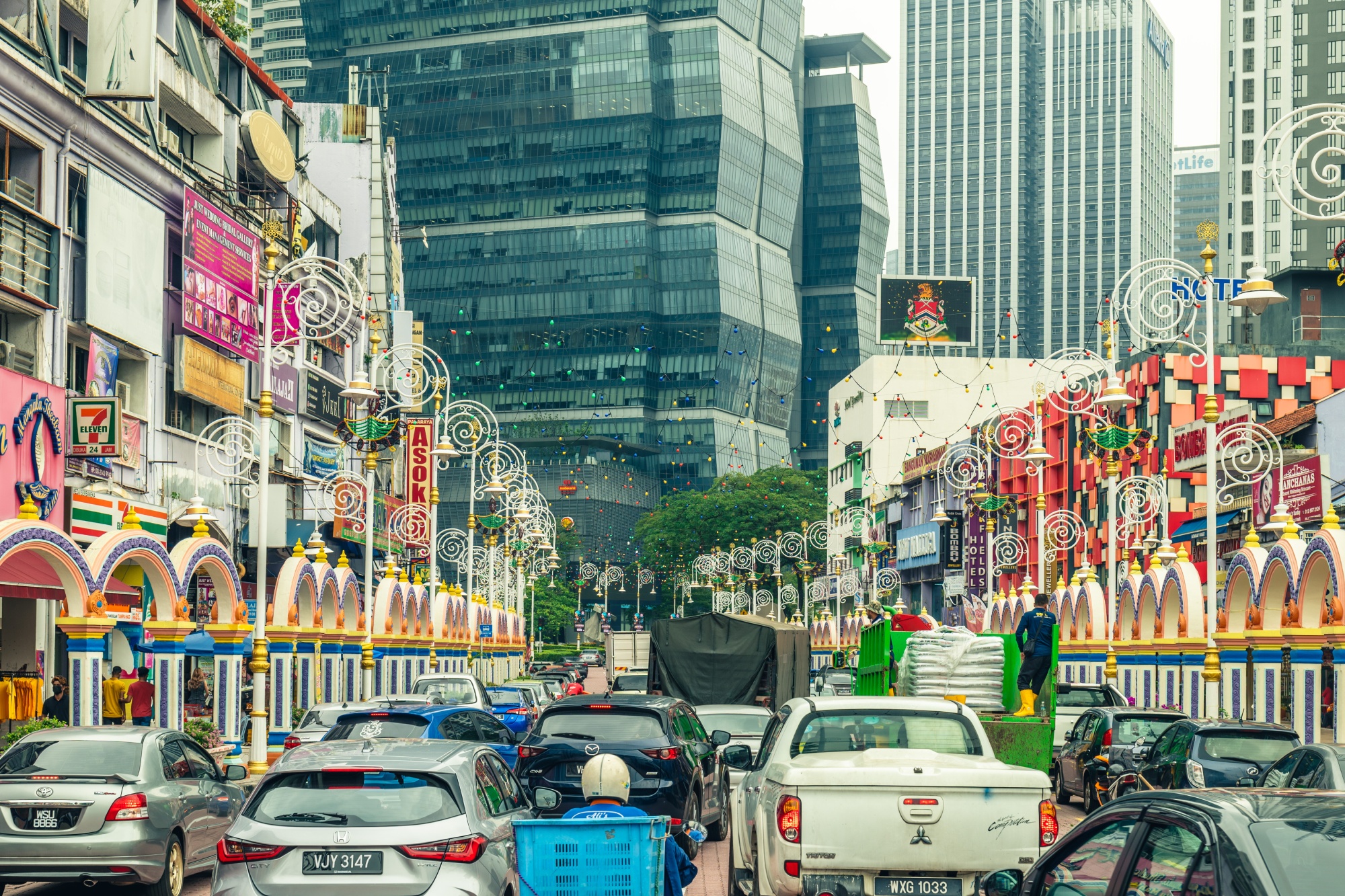
Malaysia is feeling the ripples of the US-Iran conflict as its economy takes the hit, with a piling fuel subsidy bill to show for it.
In its budget for 2026, the Malaysian government allocated MYR 15 billion (USD 3.66 billion) for fuel subsidies. However, the conflict in the Middle East that led to an ongoing global energy crisis since March has left ASEAN countries suffering the most due to rising fuel prices. For instance, Malaysia is expected to spend MYR 40 billion (USD 9.8 billion) this year on fuel subsidies to reduce the burden on consumers, more than double the amount it intended to under pre-conflict conditions. Malaysia also offered USD 1.5 billion in five- and 10-year sukuk bonds in July to cover its growing fuel subsidy bill. While this unexpected situation may prevent Malaysia from achieving fiscal sustainability, local consumers should not worry about the cost of living just yet.
Similar to Vietnam, Malaysia’s gasoline and diesel prices are still considered cheap at below USD 0.90 per litre compared to Indonesia, Thailand, and the Philippines, where gas is priced at USD 1 per litre. The government also stated that Malaysia’s petroleum supply remains sufficient until December 2026. While Malaysia seems to be ahead in controlling fuel price increases, there is growing concern towards the sustainability of fuel subsidies.
Fuel subsidy under pressure
Higher global petroleum prices could translate into gains for energy-producing nations, but the burden of rising pump prices fall on the consumers and on public coffers. As of end-July, Brent crude oil price has shot up from 1 July’s USD 71.57 per barrel to USD 100.69 per barrel on 23 July after the US reimposed the blockade of Iran’s ports and mounted fresh attacks, which dragged on the conflict. The day-to-day price reacts largely to geopolitical fluctuations as of this writing.
To protect households from this crisis-induced inflation, the Malaysian government implemented the fuel subsidy called Budi Madani. This is a targeted scheme wherein eligible Malaysian citizens may avail of cheaper pump prices through a direct government subsidy, while the rest of consumers are to pay the actual retail price for gasoline and diesel products. The BUDI95, implemented in September 2025, provided Malaysians access to discounted fuel worth 300 litres per month at MYR 1.99/L (USD 0.49/L). This limit was reduced to 200 litres per month beginning April 2026 after authorities assessed that nearly 90 per cent of eligible citizens consumed less than 200 litres monthly. Meanwhile, the Budi Diesel was rolled out in July to offer discounts on diesel at MYR 2.10/L (USD 0.51/L), which is seen to benefit 700,000 private vehicle owners.
Based on Graph 1, one would notice the almost-50 per cent difference in the prices of motor fuels. For example, subsidies gas prices are fixed at MYR 1.99/L (USD 0.49) against MYR 3.62/L (USD 0.89) as of 23 July. The difference is larger for diesel, with the subsidised rate set at MYR 2.10/L (USD 0.51) against MYR 4.42/L (USD 1.08). Other existing subsidies, such as the Ron95 SKPS for public transport companies, have also kept fuel prices steady despite the energy supply shock. This widening price gap shows the Malaysian government’s efforts on easing the burden of costly fuel, targeting and logistics costs aside.

Oil price shock
With the implementation of fuel subsidies, the government could prevent a sharp rise in household expenditures. However, the question is how financially viable the extension of fuel subsidies are for part-timers engaged in businesses like e-hailing or food delivery services and overall logistics operations. If the price of fuel remains elevated, their cost of doing business will increase due to inflation.
In Graph 2, headline inflation picked up from February at 1.4 per cent to 1.9 percent in June, which also tracks the spike in domestic fuel prices due to the global crisis. Not only that, according to the Bank Negara Malaysia, the rising costs of vegetables and electricity also contributed to headline inflation. Core inflation was relatively stable at 1.9 per cent until June, a metric that excludes the prices of fresh food and government-administered prices like fuel.

Some manufacturers are wary of the increasing cost of doing business due to the uncertainty of the global energy crisis, though the Malaysian government is trying to ease these concerns through different means. The use of fleet cards is meant to provide direct aid for businesses by subsidising vehicle-related expenses. Through this, the government absorbs the impact of inflation while maintaining business and investment confidence in Malaysia. Though the oil supply shock should only be temporary, the Malaysian government is hoping for an alternative to sustain an affordable and stable supply.
New policy and alternatives
Although the Malaysian government is spending more on fuel subsidies to reduce the impact of high inflation, policymakers are considering how to preserve the supplies of petroleum and diesel. Malaysia produces crude oil, but it still relies on imports – 400,000 barrels of crude oil, to be exact – to meet domestic demand.
To save on fuel, the government implemented a work-from-home policy in mid-April and refined the Hybrid Working Day for civil servants, wherein they work three days in the office and two days remotely every week. The government has reportedly saved MYR 7.3 million (USD 1.78 million) in fuel subsidy expenditure and has reduced consumption by 4 million litres in three months. This shows that the hybrid work setup is a reliable strategy to conserve fuel supply in the long term.
One of the opportunities the market can explore is biodiesel drawn from palm oil, which could potentially serve as an alternative fuel amid the energy crisis. This solution may also reduce greenhouse emissions by 67 per cent. As such, investing in energy alternatives for vehicles could also bring profit as well as government savings in the long term.
This original article has been produced in-house for Lundgreen’s Investor Insights by on-the-ground contributors of the region. The insight provided is informed with accurate data from reliable sources and has gone through various processes to ensure that the information upholds the integrity and values of the Lundgreen’s brand.