

Can Japan’s defence makers finally break through the global market?
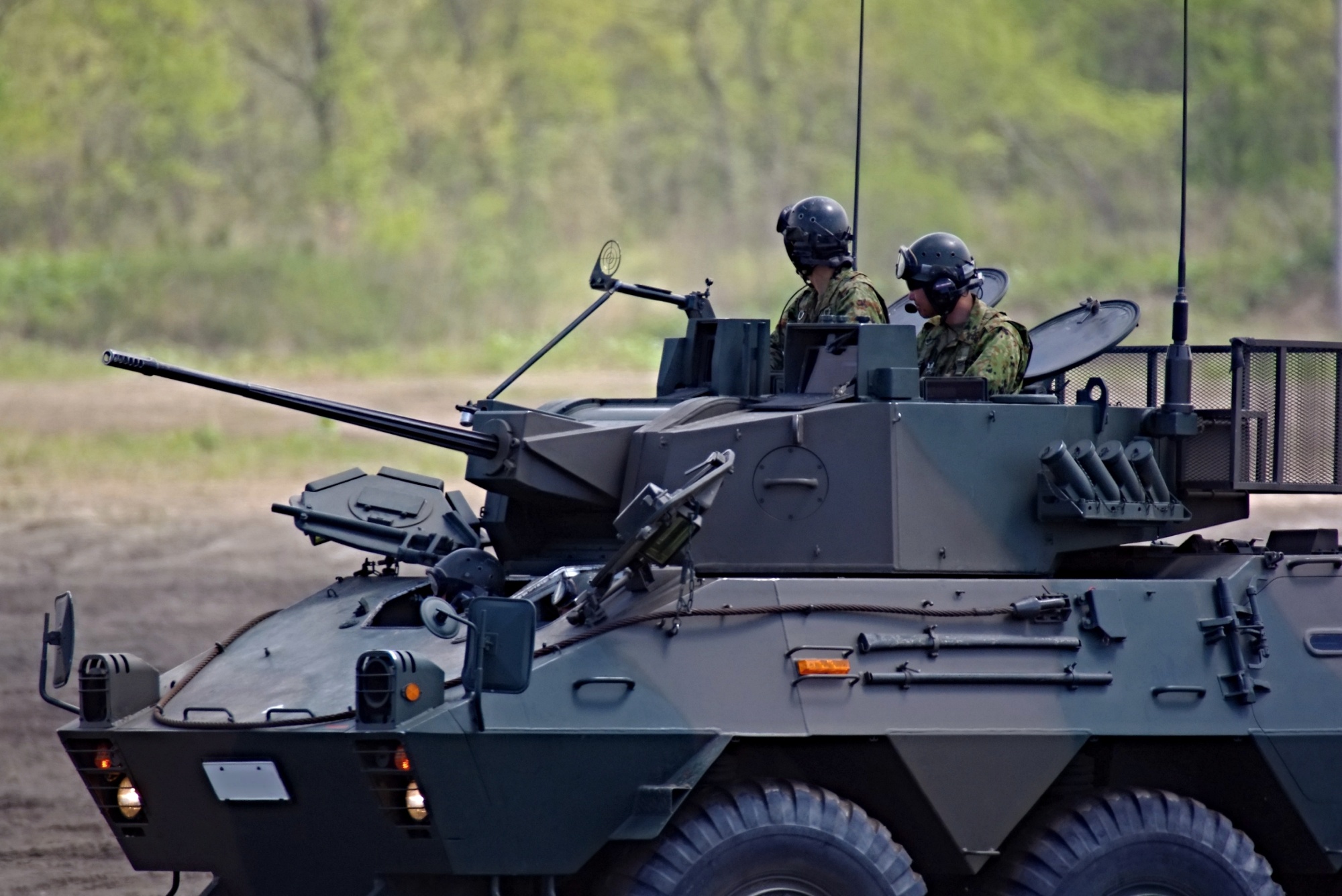
Although far from becoming a major global arms exporter, Japan’s defence sector is starting to become more investible.
Japan has always been an unusual major economy, partly because its defence industry has sat in an uncomfortable middle ground for years. The country had the technical capacity to build advanced equipment, but not the kind of policy environment that would let the sector behave and thrive like any other commodity in the market.
Under Japan’s pacifist past, defence exports were tightly restricted while the industry relied heavily on domestic procurement for profit. That made defence strategically necessary but commercially narrow. The broader framework was shaped by Japan’s Three Principles on Transfer of Defense Equipment and Technology in 2014 which preserved strict screening, limited third-country transfers, and set restrictions on export to countries involved in conflict.
Recently, the country has begun loosening the rules that long kept its defence sector heavily constrained. In April 2026, Japan approved its biggest change of defence export rules in decades wherein Prime Minister Sanae Takaichi’s Cabinet removed the old category restrictions that had limited overseas sales to a narrow set of equipment. Instead, it moved to case-by-case screening for exports of warships, missiles, and other weapons.
The new policy, which followed the 2024 revision of the Three Principles, allows Japan to export weapons to about 17 countries that have an Equipment and Technology Transfer Agreement with the country. This is a meaningful shift, even if it still falls short of opening up the domestic sector to full participation in global defence trade.
Market potential
This policy shift may be significant, but its impact should not be overstated: the looser rules do not create an automatic exports boom. Japan will be entering an already mature market with long-established players. Further, every transaction remains politically sensitive – subject to screening by the national government and inaccessible to buyers engaged in active conflict.
Graph 1 shows that Japan’s arms and ammunition trade has become more active in recent years, but not yet robust enough to unlock a full export breakthrough. Exports have risen strongly since 2022, but imports have also increased sharply, particularly since 2024 when the Three Principles was last revised. Japan may be opening the door to foreign sales, but its defence trade profile remains in deficit.

That is precisely why investors need to read the commercial case for the sector more carefully: although the change is gradually happening, Japan is entering the global defence trade relatively late and from a weaker industrial base. Hence, the current shift is less about immediate windfall gains and more about laying the groundwork for a broader industrial role, which it can only realise years or decades ahead.
Regardless, defence-related companies have started to report higher profits and more optimistic projections since the 2024 policy overhaul. This has raised hopes that relaxed export rules that started this year may eventually support even greater profitability.
Furthermore, Graph 2 suggests that investors are responding positively to Japan’s industrialisation shift for the defence industry. Rebased to 100 in September 2025, the share prices of defence-related companies such as Kawasaki Heavy Industries, Mitsubishi Heavy Industries, and IHI moved higher around important political and policy events. The most recent changes stemmed from the Development Bank of Japan’s lifting of restrictions on financing defence investments and Defence Minister Shinjiro Koizumi’s open support for the industry.

Is the sector ready?
For now, probably not. Decades of weak growth and demographic pressure have left Japanese defence companies in a weaker position than the policy shift alone might suggest. A larger industry will require more hiring, training, and specialised skills that cannot be expanded overnight. The financial year 2026 defence budget carries provisions to reinforce its human resource base, including recruitment, female personnel participation, and improved welfare as part of its 15 priority areas.
In the meantime, the state remains the biggest buyer of parts and equipment produced by Japanese defence manufacturers. Japan’s defence spending has increased sharply in recent years, with its share increasing to about 1.9 per cent of GDP under the 2026 budget. Still, that does not put Japan in the same position as its regional competitors like China. If banks, state-backed lenders, and markets become more willing to fund the industry, that changes the investment case: this would make defence look less of an outlier and more like a legitimate part of Japan’s industrial base.
Considering all this, we can see that Japan’s defence makers have an increasing chance to finally get a real market, but with limits. Japan has still some ways to go before it can even become a normal arms-exporting power, but loosened export rules, larger budgets, and less constrained financing are steps towards that goal. However, the country faces manpower constraints, production capacity limits, and a late start in a highly competitive market. The hurdles of developing skilled labour, supplier depth, and achieving the production scale needed to compete internationally could be a different story altogether.
For investors, that means the sector is more credible and viable than it used to be, but its success in the global scene is still in question. The real shift is not that Japan will suddenly become a defence export giant – it is that defence is becoming easier to finance and develop as part of the country’s industrial strategy. Japan’s might in research and development can help the sector flourish internationally, and this lull before a potential take-off makes for a good time to invest.
This original article has been produced in-house for Lundgreen’s Investor Insights by on-the-ground contributors of the region. The insight provided is informed with accurate data from reliable sources and has gone through various processes to ensure that the information upholds the integrity and values of the Lundgreen’s brand.