

Time for Brazil to reshape its energy sector
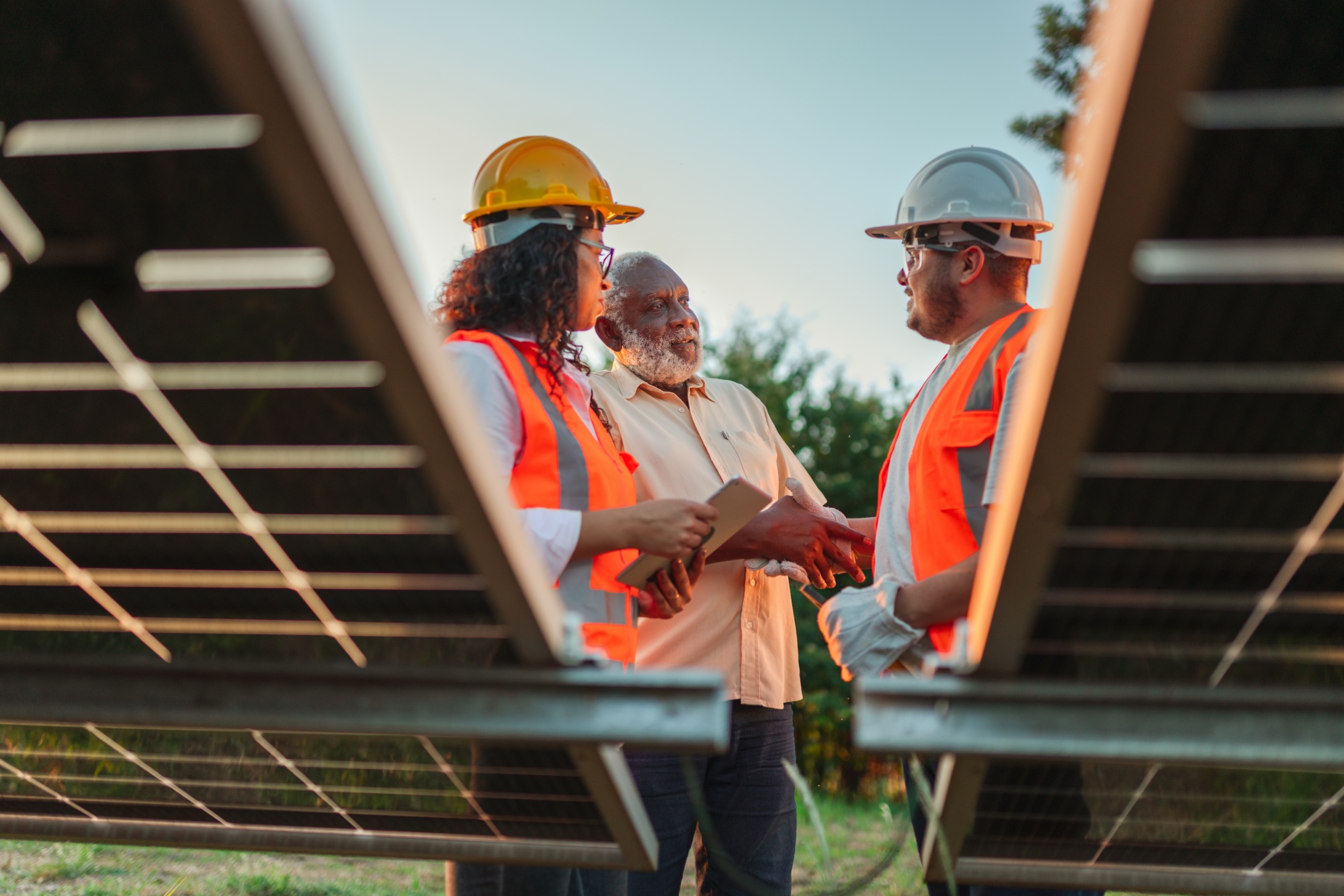
Amidst the uncertainties in the global energy crisis, Brazil has the chance to take the lead in the development of alternative power sources.
The US-Iran conflict has dragged on since late February, which led to temporary peace agreements and a prolonged global energy crisis. If one squints for a silver lining to this scenario, they will see an opportunity to recalibrate the global energy sector and reduce countries’ dependence on oil and gas.
We can take Brazil as an example: given its large share of renewable sources of energy and investments in green technology, not to mention its warm diplomatic relationship with China, we see the potential for the South American country to take the lead in this global transition. As explored in a previous article, bilateral agreements between the two countries have been viewed as a potential opportunity to propel Brazil’s economic growth further. This is true as well for its energy sector. In 2024, Brazil further deepened its bilateral ties with the Middle Kingdom as a strategic way to improve its own positioning, and this includes energy transitioning. Beijing, in turn, benefits from greater trade with South America’s largest economy.
Push for renewables
Apart from the Middle Eastern conflict being the biggest disruption to oil and gas supply in history, the search for low-carbon sources has reinforced the importance of energy security given the independent push to go green. There is a need to diversify alternative power solutions and to reduce overdependence on overseas fuel suppliers. Global renewable energy sources have been growing fast since 2019 and, as seen in Graph 1, the forecast points to a sharper increase in the next few years.

Power supply drawn from renewables is expected to double its energy generation capacities in the next four years, with a sharp ascent projected relative to gasoline, for example. This trend also shines the spotlight on international conversations surrounding sustainable energy and investments. While hydroelectric power production appears to have stagnated over the past years, solar and wind power have been gaining more ground. For instance, a survey conducted by the Brazilian Solar Energy Association validates the rising potential of Brazil’s solar energy, with the sector garnering more than BRL 300 billion in investments over the past few years that has generated more than two million jobs.
Powering through
Despite the lack of skilled hands, Brazil carries the potential to take the lead in the global green energy sector. It currently stands as a voice of authority against deforestation and greenhouse gas emissions, especially as it has been taking charge in efforts to preserve the Amazon rainforest.
The Energy Research Company’s 2025 report notes that while the international energy matrix is comprised of more than 85 per cent of non-renewable sources, Brazil is in good shape with half of its energy matrix derived from renewable sources in 2024, a 41.5 per cent increase from 2015, as seen in Graph 2. Notable energy sources are black liquor, a by-product of paper pulping processes; wind; and solar energy – which, although taking up only a small percentage, has also seen an increase over the past few years.

Another study shows that the expansion of renewable energy sources can attract BRL 295 billion (USD 58 billion) by 2035. Further, each Brazilian real invested in renewable technology potentially carries the ability to generate BRL 1.57 (USD 0.31) in economic returns. This will positively impact the creation of skilled jobs and strengthen national suppliers, which will build the foundation of a domestic renewable energy supply chain.
Brazil has a lot to gain from diversifying its power sources regardless of whether or not it is facing an energy crisis, more so if the transition entails embracing more renewable energy solutions. However, this does not come without risks and costs. Some areas of concern to monitor include the modernisation of electrical grids, as well as necessary upgrades in power transmission and distribution systems. There is also a need to weather-proof the energy balance. Currently, Brazil’s renewable energy infrastructure may not be prepared for climate change. One such instance would be a sudden drought which can directly affect the output levels of hydroelectric power plants.
Regarding investments, the Brazilian government may consider enhancing fiscal incentives to attract more capital into this sector to sustain the momentum. At a time when interest rates are high, this may pose as another challenge for businesses looking to invest or expand their operations in the power sector. However, there is no denying the need to deepen the country’s renewable energy sources, though it is off to a good start.
The abundance of renewable and clean energy sources places Brazil in a strategic position globally, with its power mix providing some stability at a time when other developing nations are struggling with higher world crude oil prices. In a scenario of growing climate urgency, this potentially brings Brazil to a position of authority as it can influence the course of international discussions and work towards sustainable economic growth.
This original article has been produced in-house for Lundgreen’s Investor Insights by on-the-ground contributors of the region. The insight provided is informed with accurate data from reliable sources and has gone through various processes to ensure that the information upholds the integrity and values of the Lundgreen’s brand.