
Fortifying Thailand’s manufacturing competitiveness
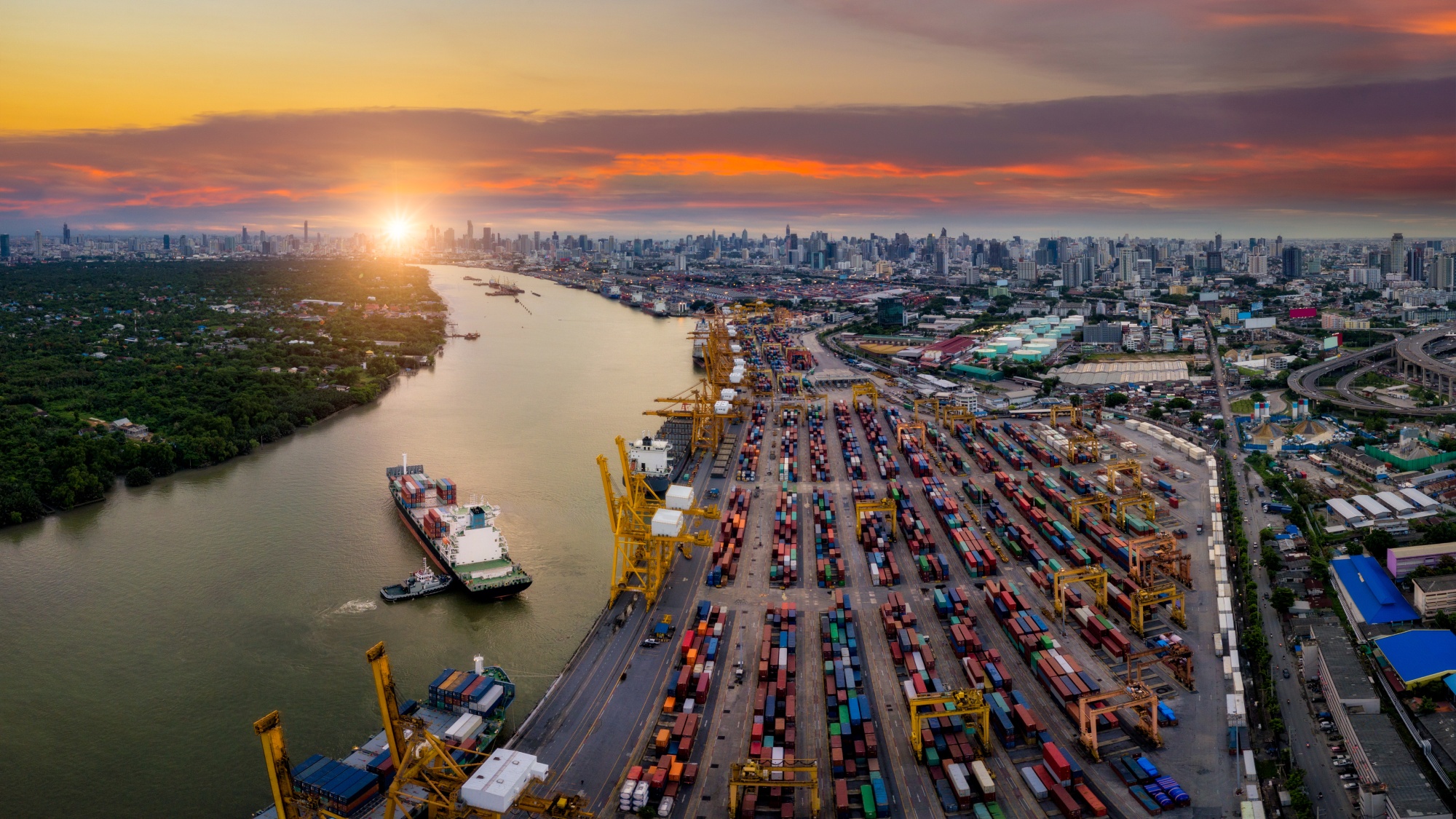
The beginning of the year showed promise of expansion for Thailand’s manufacturing sector. However, the global energy crisis and the Middle East conflict could shake up the sector’s trajectory.
The first quarter of 2026 saw Thailand’s economy grow by 2.8 per cent from the previous quarter’s 2.5 per cent, indicating some recovery amid improving political stability and a major policy revamp to improve the business climate. However, Prime Minister Anutin Charnvirakul has more obstacles to overcome to completely turn the economy around.
Beneath the rosy headline data lies more complications concerning the Thai economy, especially in the manufacturing sector. Thailand’s manufacturing production index for April 2026 stood at 92.76 points, the lowest since January due to the US-Iran war that has disrupted global energy flows and trade routes. This has led to a weakening of Thailand’s manufacturing output, which resulted in the shutdown of 141 factories and a decline in the number of newly opened production facilities.
The risks faced by Thailand’s manufacturers are particularly high: the abrupt decline in global trade has weakened the competitiveness of domestic producers and displaced industrial output, investment decisions, and export volumes, the latter accounting for about 70 per cent of Thailand’s GDP.
Surmounting challenges
According to the Bank of Thailand, there has been a consistent decline in the GDP contribution of manufacturing as more labourers are transitioning out of jobs in the industry and agriculture sectors to work within the services sector. This is due to a widening salary gap: while manufacturing jobs typically offer THB 183 (USD 5.60) per hour, service sector jobs pay THB 703 (USD 21) per hour. As workers move away from industry, the labour shortage in manufacturing could very well stall productivity growth.
Further, there has been a continuous decline in the Business Sentiment Index, with the latest reading of 42.5 points indicating net pessimism. Particularly for manufacturing, the index fell from 46.3 in April to 44.3 in May – and if productivity stagnates, Thailand may fall behind its ASEAN counterparts. This raises questions about Thailand’s manufacturing capacity, and whether investments in the sector can remain profitable for investors.
Graph 1 illustrates the consistent annual increase in the number of new projects granted incentives by the Thai government, with a significant surge in 2025 amounting to THB 1.62 trillion (USD 50 billion). Among the approvals, the top three contributors belong under contract manufacturing services, high-value services, and computer-related services. Further, the Organisation for Economic Co-operation and Development sees that despite the decline of capital inflows, Thailand remains one of the largest recipients of foreign direct investments (FDI), with 46 per cent benefiting the manufacturing sector.

As FDI flows gravitate increasingly towards high-value segments, numerous small and medium enterprises (SMEs) in Thailand struggle with limitations in technology, financing, and skilled labour. Despite the hurdle, many SME suppliers rely on major manufacturers to maintain their profitability.
Nevertheless, we still see some opportunity in Thai manufacturing. Based on data from the Stock Exchange of Thailand, shares of electrical components and industrial firms are upbeat compared to the previous year, indicating bullish demand for these industrial segments.
Trade and manufacturing production
Thailand moved higher in the 2026 IMD World Competitiveness Ranking, rising to 26th from the 30th place among 70 countries. While ASEAN has emerged as an attractive destination for electronics factories, Thailand will need to compete against the likes of Vietnam and Malaysia to dominate in this industry. That being said, Thailand is a top vehicle manufacturer and exporter in the region. If the country can capitalise on this, it could rise as an advanced manufacturer in Southeast Asia and deepen its supply chain integration.
However, Graph 2 shows Thailand in a persistent trade deficit, with the widest gap seen in April at USD 10.02 billion as imports exceeded goods exports. Due to the surge in import volumes and costs, mainly caused by the global tariff war and higher oil prices amid the US-Iran conflict, local businesses face greater volatility and bear bigger operational costs. These pressures affect domestic manufacturers, particularly Thai SMEs which have little room for price and inventory flexibility.

Still, there are reasons to stay optimistic towards Thailand’s manufacturing sector. We previously evaluated Thailand’s Eastern Economic Corridor (EEC) that continues to attract foreign investors focused on industrial production. Recent news reiterated the EEC’s potential to evolve as a regional supply chain and strategic manufacturing hub. Taking early positions would help investors realise strong potential gains as the EEC evolves.
Beyond traditional segments
Thailand is also exploring opportunities beyond the conventional manufacturing sector. Known as the kitchen of the world, the country has advantages in agriculture wherein manufacturers could integrate with advanced processing technologies to create high-value products while strengthening domestic food security. Greater collaboration between these sectors will enhance the ability to produce high-quality food products for international consumers at competitive prices.
Another promising area for manufacturing is medical devices. The worldwide demographic shift, including in Thailand, generates new opportunities in the healthcare industry. Apart from medical drug production, the country also needs new investment in advanced medical technology equipment.
As these sectoral opportunities are developed, it is important to match this with infrastructure development for Thai manufacturers to stay globally competitive. Thailand has proposed the Land Bridge Project, valued at USD 31 billion, as an alternative to the Malacca Strait that currently serves as the shortest sea route between Asia to Europe. If successful, Thailand could not only attract foreign investors along this trade route, but also generate manufacturing production investments nearby.