
Building up the Johor-Singapore Special Economic Zone
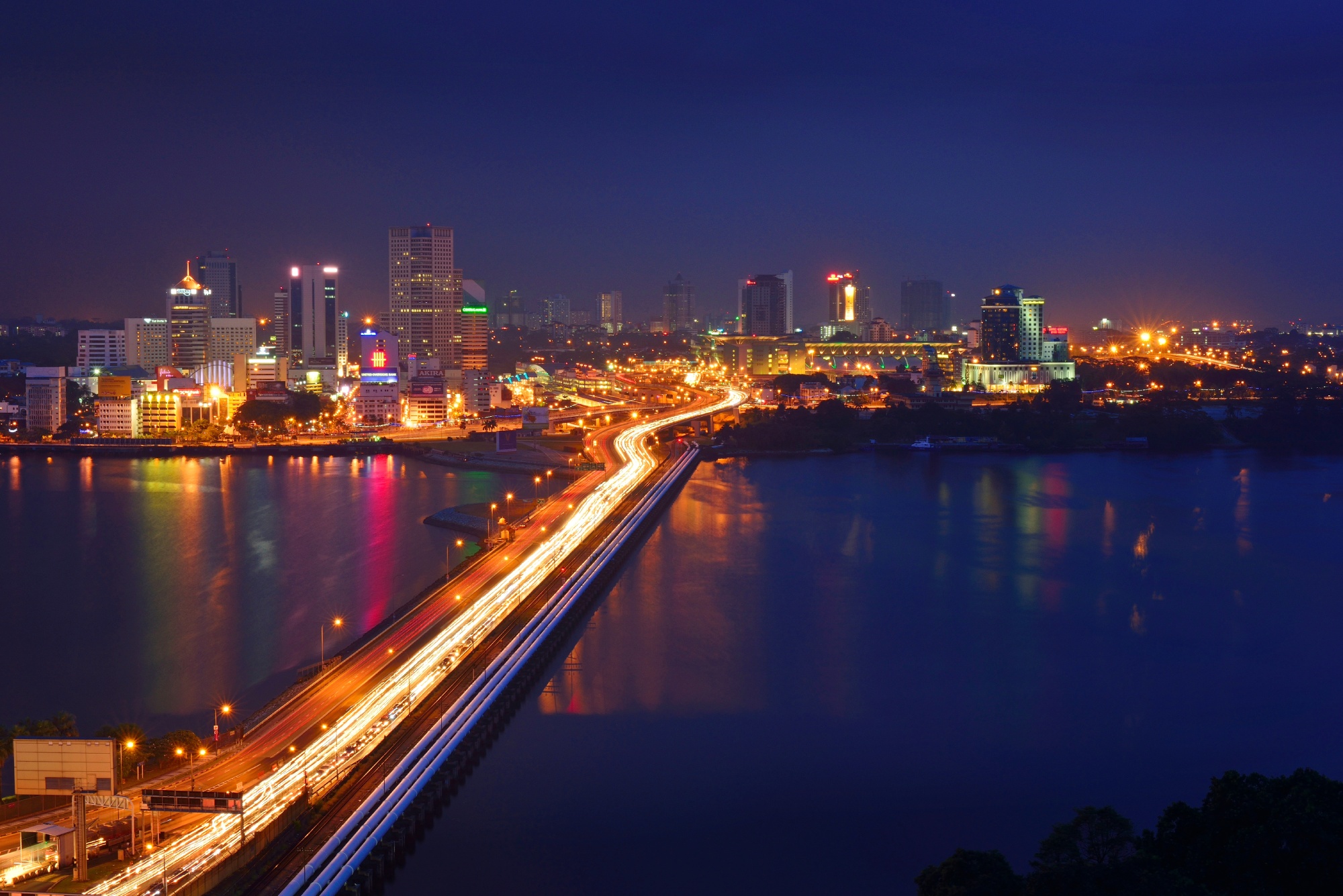
Malaysia and Singapore are working together to unlock a new economic zone, which can stimulate both economies when done right.
In January 2025, the Johor-Singapore Special Economic Zone (JS-SEZ) was established in Johor region, Malaysia’s southernmost point, meant to bring business and trade with neighbouring Singapore closer than ever. The area follows the same economic model as the SEZ in Shenzhen, China, spanning over 3,500 square kilometres – four times Singapore’s total land area. Here, there are nine flagship projects that can be invested in across 11 sectors.
Although the JS-SEZ master plan and investment blueprint have yet to be announced, Malaysia and Singapore are pushing through with this joint initiative to improve both economies. Specifically, the Johor region is expected to add MYR 260 billion (USD 65.53 billion) in economic output by 2030. For many investors, this could be an interesting opportunity: considering long-standing US-China tensions and current instability in the Middle East, the JS-SEZ is poised to set up a data centre hub in an alternative location carrying neutral risk.
While this ecozone has the potential to be a benchmark of economic integration within ASEAN, there are concerns on whether Johor can keep up with Singapore’s progress, as well as if its grander plan to attract global capital by painting the ecozone as an entry point to do business in Southeast Asia will materialise.
Johor rises to the challenge
Johor’s rise as a premier investment destination reflects significant shifts in the region’s economy. According to the Department of Statistics Malaysia, Johor posted the highest growth rate in the country, bringing in MYR 158 billion (USD 39.82 billion) in 2024. Further developments could stimulate greater economic activity and strengthen business demand.
One of Johor’s focus areas is digital infrastructure, specifically the development of data centres to accommodate the rapid rise of artificial intelligence (AI) systems. So far, 60 per cent of Southeast Asia’s data centres is concentrated in Johor. This early positioning is likely to pay off: based on planning guidelines from the Johor State Data Centre Development, every MYR 1 billion (USD 250 million) investment in a data centre creates 400 to 600 job opportunities and adds MYR 500 million (USD 126.01 million) to Malaysia’s GDP. Already, global players such as Microsoft, ByteDance, and AirTrunk have invested in Johor.
Despite its immense economic potential, developing data centres also has its downsides – the most obvious being that data centres consume a lot of clean water for cooling, which negatively impacts the environment. Since Singapore has limited water resources, this burden is now shifted to Johor. Fortunately, Johor has green initiatives in place such as optimising the reuse of stormwater and grey water, and using solar energy for data centre operations. Implementation is another story.
Investments in Johor have been on the rise as plans for the SEZ had been firming up. Graph 1 shows the steady increase in both domestic and foreign investments to the Malaysian region, which more than doubled from MYR 48.5 billion (USD 11.9 billion) in 2024 to MYR 110 billion (USD 27 billion) in 2025. According to the Malaysia Investment Development Authority, 70 per cent of total investments last year had been allocated for JS-SEZ projects, reaching MYR 77 billion (USD 19.41 billion) covering 393 approved projects. Additionally, Malaysian bank UOB has facilitated more than MYR 18 billion (USD 4.54 billion) in foreign direct investments, including an amount of MYR 1 billion (USD 25 billion) under the bank’s Green Lane platform. This sharp rise in investment inflows to Johor underscores the breadth of opportunities under the JS-SEZ that can benefit both countries.

Impact on Singapore
Singapore remains one of Asia’s leading financial and technological hubs. However, it has limited landmass and energy supply, not to mention expensive labour and office rental costs. With the Johor-Singapore SEZ, Singapore-based firms can locate to neighbouring Johor to save on costs while maintaining proximity to ASEAN’s richest city-state.
Not only does this strategy help manage the high living costs in Singapore, but it also addresses food security in the country. The availability of land and cheaper costs in Johor could encourage Singaporean farmers to continue planting through the economic zone, given that only 1 per cent of the land in Singapore available for agriculture. One example is a recent joint venture by Singaporean-based Archisen with Malaysia’s Southern Catalyst to tap 80.9 hectares in Johor to build a high-tech agricultural hub that is expected to save USD 70,000 a month in operational costs while strengthening food security in the ASEAN region.
A more direct impact of closer ties between Malaysia and Singapore is through goods trade. Graph 2 shows that 22 per cent of Singapore’s imports come from Taiwan, followed by Malaysia with an 11 per cent share. Through the JS-SEZ, trade facilitation would be much simpler and cheaper, and this could bring prices within the city-state much lower.

Businesses lined up
The Johor-Singapore ecozone can accord great benefits to both countries. As Malaysia sets sights on taking an important role in the global semiconductor supply chain, Singapore offers advanced financial systems, technologies and research and development. This makes JS-SEZ a strategic hub that bridges modern industries, thus providing a competitive advantage over other peers in the ASEAN region.
One opportunity for investors is the smart logistics complex that will integrate AI and automated material handling to enhance efficiency and reduce operational costs. Its success in the ecozone could attract even more investments, but it will depend on how Malaysia, particularly Johor, can catch up with Singapore’s technological progress and digital infrastructure. If the two countries can leverage these advantages to attract foreign investors, then the JS-SEZ could be successful in generating additional economic value into the region.