
Uncertain Middle Eastern winds continue to waft across British shores

The war in Iran has hit UK businesses and households in more ways than one.
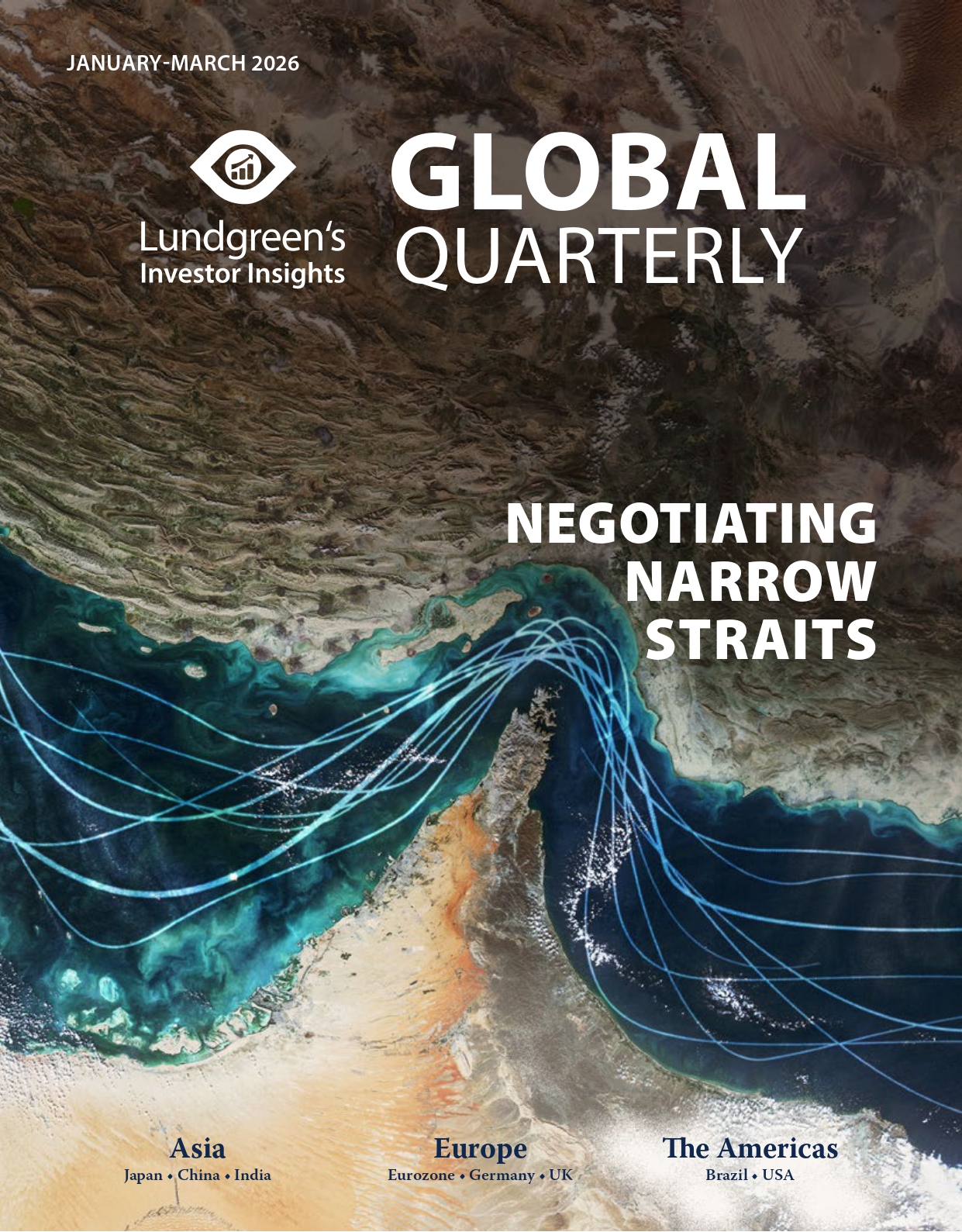
The world has passed the six-month mark of the US and Israel’s unexpected war against Iran. Multiple back-and-forth exchanges between the countries, both in military attacks and diplomatic attempts, continue to hurt the global economy. Iran’s ace in this war is its control over the Strait of Hormuz where around a quarter of global crude oil supply passes through. Iran exercised its tight grip over the strait as a response to the continued attacks, which has sent global oil prices soaring. With the pain of the Russia-Ukraine war remaining fresh in British memory, this new conflict brings in new and old threats alike.
Vulnerability of the British
On the last trading day before the war, Brent Oil Futures closed at USD 70.84 per barrel. By 4 May, prices reached USD 114.44 per barrel, a 62 per cent increase as shown in Graph 1. Prices have swung up and down since, hinged largely on US President Donald Trump’s pronouncements of an end to the conflict that often ended up being recalled in the succeeding days. As of mid-September, oil surged again past USD 100 a barrel, lower than the peak but still 54 per cent higher than the price before the war.

While the UK has started to reduce its reliance on imported fuel, they are still far from achieving self-sufficiency. British households have been feeling the effects of the Iran war, particularly at the pump. In May, the Royal Automobile Club said petrol prices increased by about GBP 0.07 per litre (USD 0.10), adding about GBP 1.32 (USD 1.77) to the cost of fuelling a family car with a 55-litre fuel tank, for example. This does not sound like much, but oil prices feed into the whole supply chain. The Organisation for Economic Co-operation and Development (OECD) further warns of rural UK possibly suffering fuel shortages if the war continues to squeeze the flow of oil globally. Additionally, a prolonged conflict will also lead to higher food prices given that fertilizers also travel across the strait.
The US-Iran conflict has also strained British real estate. Data from UK-based mortgage company Halifax showed that uncertainties over the ongoing war led to a slow but continuous drop in British home prices. The company reported a 0.4 per cent decline in house prices in May 2026 following reductions of 0.1 per cent and 0.5 per cent in April and March, respectively. This drop has been linked to affordability and cost-of-living issues from the conflict, which together dampened homebuyer demand. While the heightened nervousness is hitting UK households on different fronts, the economy is showing signs of resiliency.
Subdued stock market
British households are feeling the squeeze of Iran’s grip on the Hormuz strait, but businesses are still holding up with London’s stock market remaining subdued at best. The FTSE 100 has managed to touch its pre-war level only by end-July – five months after the war began. Graph 2 shows that prior to the war, the FTSE 100 closed at 10,910.55 but dropped to a three-month low by late March at 9,894.15. Recovery has been fragile, with the benchmark index hovering at the 10,600 level as of mid-September.

Sector-specific indices of the FTSE, such as the FTSE 350 Industrial Goods and Services index and the FTSE 350 Utilities index, have largely tracked the composite index. However, it is worth noting that the FTSE 350 Oil and Gas index posted an 11 per cent uptick between February and July, indicating tailwind profits for oil and gas companies. These index movements are largely attributed to uncertainties over the war in Iran.
Looking further ahead, the ongoing war also threatens the retirement benefits of the British working class. It is estimated that around GBP 3 billion worth of pension funds, especially those invested in energy companies in London and in offshore investment portfolios, will be affected directly or indirectly. The country’s social pensions system is already in peril even prior to the US-Iran conflict, and this geopolitical conflict certainly does not help the situation.
As of this writing, there have been attempts to regain the market’s wary footing, largely hinged on the anticipation of a resolution to the war. There has been some breathing room, but the situation remains fragile. There is hope, however, as the US Congress passed a War Powers Resolution to curb Trump’s powers and hopefully end the war as soon as possible.
While the dragging conflict is beyond the control of the UK Parliament, the situation will continue to hold a grip on British purses. Inflation in March was recorded at 3.3 per cent with more expensive motor fuels contributing the most, though the headline figure has since decelerated to 2.6 per cent as of June. Food price inflation follows the same trend, peaking at 3.7 per cent in March before slowing down in subsequent months. Interest rates have been kept at 3.75 per cent, but analysts see the Bank of England changing its mind should upward price pressures persist.
Overall, the UK economy has mostly held up its own in the current oil supply crisis. The stock market is starting to recover, or at least internalise, the conflict. The question now is when British households will buckle under the full brunt of the conflict. Considering the situation, we recommend keeping a conservative position on UK investments and continuing to wait and see how developments may unfold.