

UK Government prepares for the new financial year
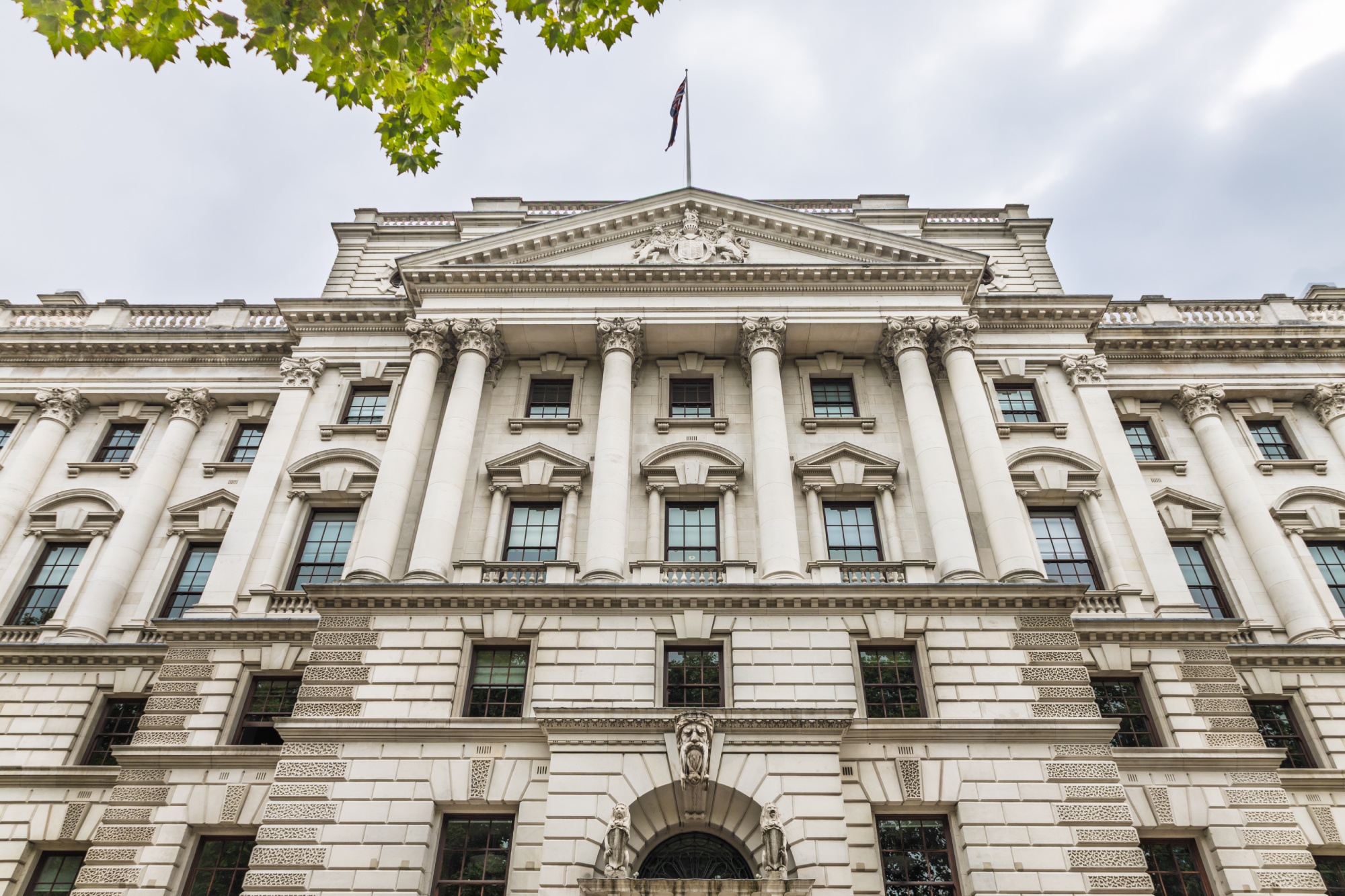
The government has released its spending plan for the next financial year, however, more spending means more taxes – all while a leadership challenge is unfolding at Downing Street.
In November 2025, Chancellor of the Exchequer Rachel Reeves announced the Autumn Budget for the financial year (FY) 2026-2027 at an estimated GBP 1.4 trillion (USD 1.9 trillion). Reeves also announced new taxes and other tax-generating policy changes, hoping to bring additional revenues until FY 2030-2031. How will government spending look like for the next year?
The trillion-pound proposal
The proposed Autumn Budget is 3.4 per cent higher than the current FY’s GBP 1.37 trillion (USD 1.8 trillion) in total managed expenditures (TME). The TME, which grew an average of 6.6 per cent per year during the last five FYs, is the actual recorded expenditure by the British government that is reported annually after the end of each period.
In its presentation to the parliament, the Labour-led government emphasized on the FY 2026-2027 budget’s promise of change and fairness focused on lowering inflation, improving the National Health Service (NHS) operations, and ultimately cutting debt and borrowing. The breakdown of next year’s budget, as shown in Graph 1, shows that nearly half of total expenses is for social protection and health, which also includes welfare programs and payments such as subsidies and unemployment benefits. The allocation on health is primarily for the NHS, which covers local and community support.

Education comes in third, followed by debt interest payments, and defence spending. Other functions – namely public order and safety, transport, housing and environment, among others – constitute the remaining 25 per cent of the budget at GBP 352 billion (USD 468 billion).
Aside from the budget proposals, the government also posed new fiscal reforms and policies such as increasing the National Living Wage by 4.1 per cent to GBP 12.71 (USD 17) per hour, introducing one-year freezes on rail fares and prescription charges, and extending a GBP 0.05 (USD 0.07) fuel duty cut until end-August 2026 to mitigate the impact of the global oil supply crisis.
Another quality-of-life improvement measure for the coming year’s budget is the GBP 150 (USD 200) reduction in annual energy costs by discontinuing some energy schemes. These measures are being championed by the Labour government as the fulfilment of their promise to improve the lives of British citizens. However, with all these spending plans, rate freezes, and wage increases, fiscal policy must keep up.
New year, new taxes
Packaged together with the Autumn Budget statement are new taxes and tax policies aimed at generating additional state revenues for the coming financial year and beyond.
While there are no increases in income tax rates, the annual income tax threshold will remain frozen at its current level of GBP 12,570 (USD 16,700), with personal allowance rates ranging from 20-45 per cent. Since 2007, the income tax thresholds have been increased for inflation until then-Prime Minister Rishi Sunak froze the thresholds in 2021, a rule in place until FY 2025-2026. The current Labour government decided to maintain this threshold until FY 2030-2031, dragging an estimated 10.8 million income taxpayers to a higher tax band. Despite being an unpopular policy, it is estimated to improve tax revenues by GBP 53.2 billion (USD 71 billion) by FY 2030-2031 compared to when the freezes end in FY 2027-2028. The extended freeze in the thresholds means a lower take home pay for workers, as any salary increases will be taxed at a higher rate.
A new High Value Council Tax surcharge was also introduced in the Autumn Budget, which levies additional council tax for high-value properties worth more than GBP 2 million (USD 2.7 million) by April 2028. This policy is estimated to generate about GBP 430 million (USD 572 million) in revenue annually, allowing more funding for local government services. Only about 1 per cent of properties in England are estimated to be above the threshold, and measures will be in place for those who may not be able to pay the charge. Response to what is dubbed as a “mansion tax” has been relatively mixed; the Institute for Fiscal Studies believes that this is not enough of a reform, while the Office for Budget Responsibility (OBR) indicates that there is uncertainty in the costing and implementation of the policy.

Aside from these two tax measures, a new electric vehicle (EV) excise duty is being proposed at GBP 0.03 (USD 0.04) per mile for EVs and hybrid vehicles to begin in 2028 to contribute to the maintenance and upkeep of roads and various infrastructures. Dividend tax has risen by 2 per cent across all bands starting last month and savings income tax will increase by the same amount on April 2027. There are also proposed changes to various financial policies, such as salary sacrificed pension contributions above GBP 2,000 (USD 2,600) annually, that are no longer exempt from National Insurance by 2029 as well as additional levies for high-sugar drinks, among others. On paper, the Autumn Budget aims to generate about GBP 1.29 trillion (USD 1.72 trillion). However, as illustrated in Graph 2, the GBP 1.42 trillion (USD 1.9 trillion) spending plan means that there will be a GBP 121.9 billion (USD 162 billion) deficit – potentially bloating the UK’s already high debt burden.
While the 2025 Autumn Budget has been made with good intentions, this will also affect the British taxpayers until the end of the current decade, particularly on income and property taxes. We expect some of these policies to change based on the public’s response and the OBR. Further, the unstable political environment surrounding Prime Minister Keir Starmer may impact the rollout of the Autumn Budget provisions, including the rollout of any new taxes for him to keep the post, or if a new premier rises to power. Addressing the UK’s economic and welfare problems requires fiscal discipline, but it is not easily achieved with its leadership in constant flux.
This original article has been produced in-house for Lundgreen’s Investor Insights by on-the-ground contributors of the region. The insight provided is informed with accurate data from reliable sources and has gone through various processes to ensure that the information upholds the integrity and values of the Lundgreen’s brand.