
Ghosts haunting Philippine growth
The Philippines’ growth story has recently been haunted by ghost projects, which have led to poorer living conditions and depressed investment activity.
A year has passed since the public scrutiny over a wide-reaching corruption scandal involving hundreds of fake or substandard flood control projects, and the Philippine economy continues to languish.
The USD 19 billion corruption scheme, which came to light in July 2025 and traces back to as early as 2023, was met with mass protests and led to the filing of criminal charges and the detention of several lawmakers. However, progress on the construction of the correct floodwater management systems remains limited.
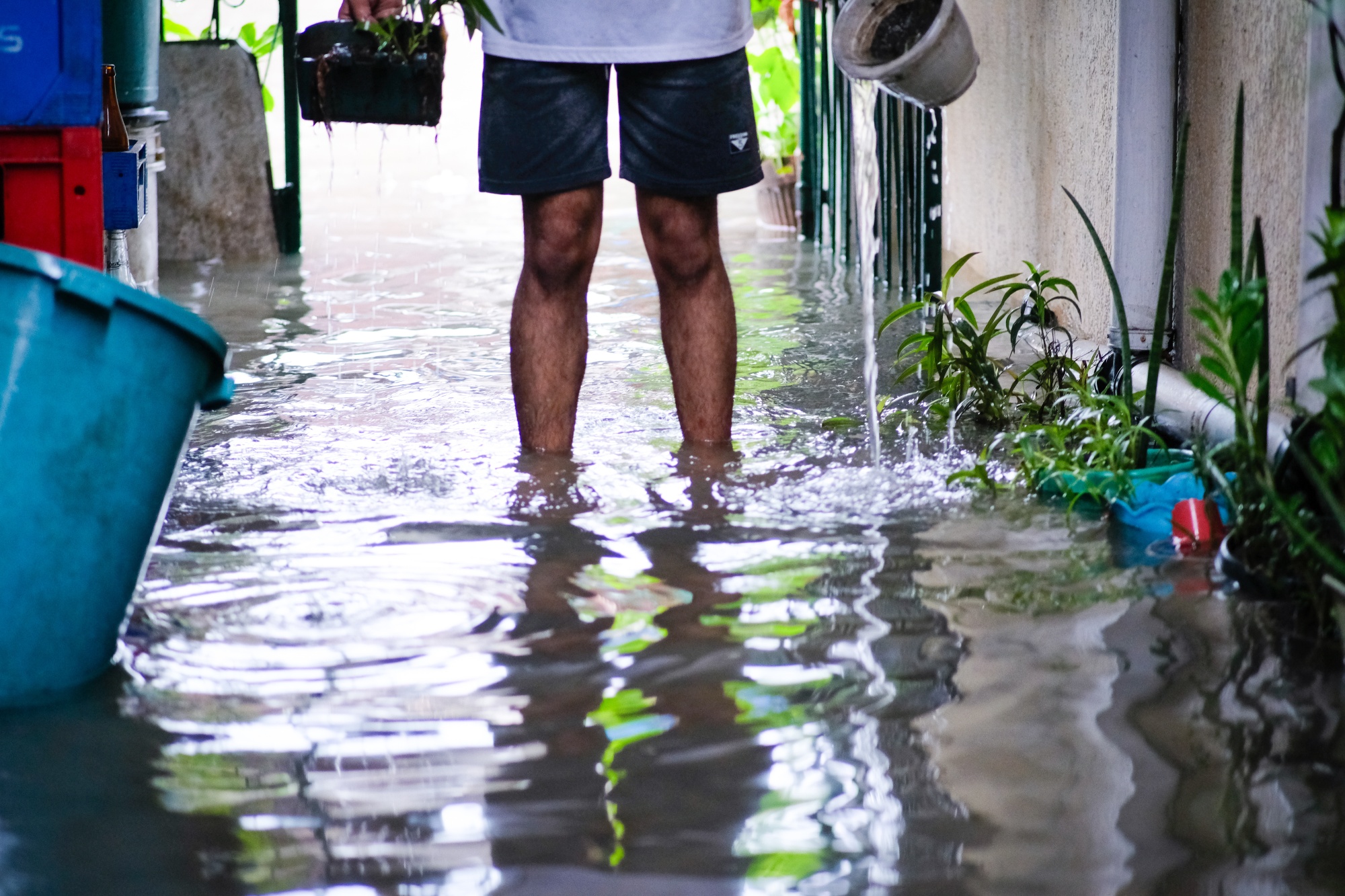
The same problems have been haunting the Philippines again as the tropical Southeast Asian country has been battered by storms and inundated in flood during the southwest monsoon season from May to September. Confronted with bad weather, consumer spending slows as people would rather stay home than head out. The scarring effects are deeper on the larger economy, with declining business confidence and a sharp pullback in investments impeding GDP growth – these are indirect yet hefty costs that Filipinos are forced to bear.
Growth grinch
Just a year ago, the President’s economic team had been targeting a 6-7 per cent growth pace for 2026, much faster than the 4.4 per cent recorded for 2025. The unearthing of squandered multibillion-peso projects that allegedly enriched several district lawmakers working in cahoots with Public Works officials, however, forced the construction sector – and, to an extent, new investments – into a near standstill. Graph 1 depicts the slowdown in GDP growth that began in the third quarter of 2025, largely due to the sharp deceleration in new investments in the construction sector. More than the seasonal decline in construction activity owing to rainy weather, capital formation plunged year-on-year as both businesses and the public sector exercised extreme caution in pursuing new projects amid the unfolding corruption scandal – after all, government projects are a key market for contractors.

Quarterly construction investments have remained below PHP 1 trillion (USD 16.2 billion) since the July-September 2025 period, government data show. Further, new capital infusions are down by a tenth in January-June compared to the same period last year, while purchases of durable equipment are down 6 per cent in the first semester. This marks a huge disruption for the Philippines, especially when one considers the country’s immense need for more infrastructure projects to improve living standards and sustain economic development.
The persisting negative effects from the corruption scheme, together with the surge in fuel prices due to the US-Iran conflict, have forced economic officials to cut the 2026 growth target to a 3.5-4.5 per cent range. First semester figures, however, have missed the downward-adjusted target band with growth averaging 2.6 per cent. Despite nominal growth owing to base effects, we expect that the Philippines is likely to sustain this deceleration in investment activity for the remainder of 2026 and, as a result, full-year GDP growth will likely settle below or hit the low end of the target range. Other sources of uncertainty, such as rising borrowing costs and regulatory changes, further scare construction businesses and to an extent, other new investments.
Soothe the spooked
Business optimism among construction industry players have taken a beating, but there are some signs of recovery. This bodes well for a potential turnaround for the sector, which in turn could help lift growth prospects. Graph 2 traces the relationship between construction firms’ outlook regarding their own operations against the trajectory of real GDP growth. The data suggests that business confidence is a leading indicator for economic activity, and that a recovery is likely underway. However, the same graph implies that new investments are unlikely to return to levels last seen in the second quarter of 2025, with business sentiment remaining bleak. As such, anaemic growth is likely to persist in the near term.

A straightforward fix to stalling GDP growth would be to jumpstart investments, which the government can do by putting up new and postponed infrastructure projects on offer – subject to better transparency, quality assurance, and accountability protocols. This way, there is a better chance to recover public trust and business confidence, both of which will help lift domestic activity.
Currently, however, President Ferdinand Marcos, Jr. is focused on stimulus targeting household consumption, the biggest of which are his proposed cuts on personal income taxes. This would push growth further, but equal attention should be given towards restoring business confidence and restarting investments as the latter creates more jobs and supports more households.
Despite the initial spook, Lundgreen’s sees opportunities aplenty in the Philippines. The country’s infrastructure gap remains huge, and more investments to build them are needed sooner rather than later. We consider investing in retail as well as in the food and beverage sectors as a good call, while companies engaged in construction and other industrial activities are fit for long-term positioning.