

How low can rates go?
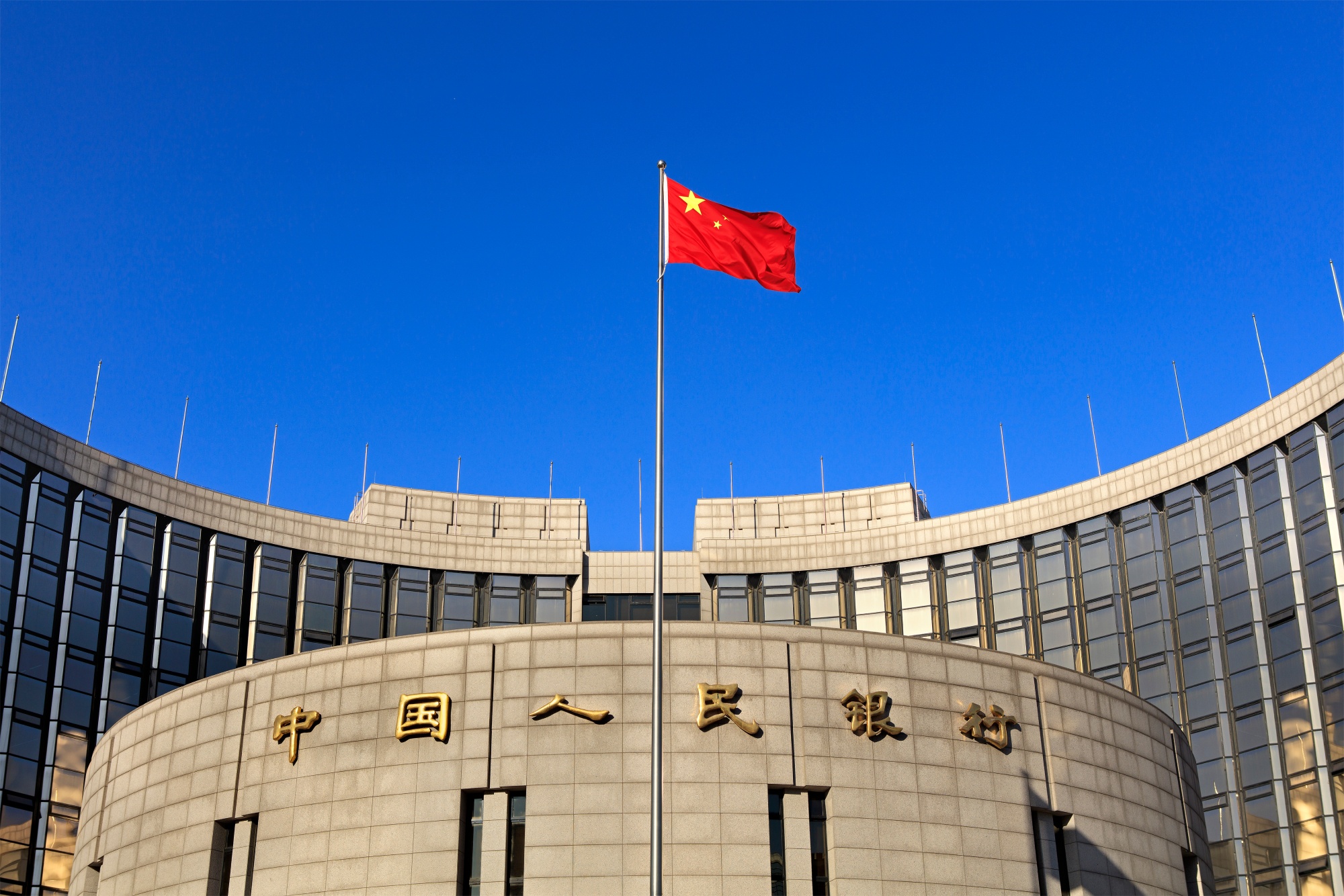
China’s central bank is upping its game in assisting economic growth by pushing borrowing costs even lower, but the market is slow to take the bait.
The People’s Bank of China (PBC) has tapped a new tool to guide loan rates even lower as it seeks to stimulate domestic demand, the latter being the biggest dampener of the country’s growth story in recent years.
China’s reference rate, the seven-day reverse repurchase (repo) rate, has been kept at 1.4 per cent since May 2025. Loan prime rates (LPR) have also been left unchanged at 3 per cent for the one-year tenor, largely used as the benchmark for corporate and consumer loans; and at 3.5 per cent for the five-year tenor, which is the reference rate for mortgages for more than a year now. These are the lowest benchmark interest rates for China since 1993 based on PBC records and are currently lower than the US Federal Reserve’s own policy rates at 3.75-4 per cent.
China has been an outlier relative to other developing economies, which tend to keep domestic interest rates above Fed rates. This positive interest rate differential is seen to prevent large capital outflows and temper currency depreciation. The world’s number two economy is even on track to keep rates lower for longer as it began offering overnight reverse repurchase loan agreements, which serve as more direct instruments for liquidity management and loan pricing.
To cut without cutting
Overnight reverse repos are an old tool of the trade for many monetary authorities, but the PBC deployed this new mechanism only in June 2026 as part of attempts to be more market-oriented, moving away from its highly regulated past. For years, China was relying on seven-day repos for the central bank to inject short-term liquidity into the market when the need arises, with hopes to encourage more domestic activity by boosting available credit.

Through the facility, the PBC buys securities issued by financial institutions and sells them back the next day. The purchases are done via a fixed interest rate, quantity-based bidding, which allows the central bank to influence short-term borrowing costs through tweaks in available liquidity. So far, the overnight reverse repos have been priced at 1.25 per cent, much lower than the 1.4 per cent rate for seven-day reverse repo agreements.
Since June, the PBC has largely deployed overnight reverse repos around month-end to smooth out liquidity pressures amid tax payment deadlines, bond settlements, and similar funding needs. The overnight nature of these operations allows the PBC to inject temporary liquidity in the domestic banking system, in effect lowering short-term credit costs without actually reducing the main policy rate.
The results are immediate: Graph 1 captures the decline in yields on 10-year government-issued bonds as the PBC’s liquidity-boosting measures provided assurance to investors regarding ample liquidity onshore.

Year-to-date, China bond yields are down by 9 per cent, bucking the upward trend seen for yields on US Treasuries and Japanese government bonds as heightened geopolitical uncertainty and concerns on rising public debt stirred greater nervousness towards these markets. This can be taken as a sign that global investors view China more favourably relative to other major markets at present.
Beijing’s odd problem
China is one of few countries with the luxury to keep interest rates low as inflation has remained manageable despite the global oil price shock. However, this has not been enough to sustain rapid GDP growth at above 5 per cent. The collapse of the residential property market in 2021 continues to hound domestic consumption, with households reluctant to spend as they reel from the sudden depreciation of newly purchased homes. Since then, the Chinese government sought to revitalise consumer spending through various subsidy programs, but with short-lived results. Graph 2 captures this phenomenon: money supply growth averaged 8.5 per cent in the first eight months of 2026, indicating a sizeable liquidity boost. However, retail sales have slowed considerably, notching only a 1.1 per cent increase for January-August this year against 4.6 per cent in the comparable period in 2025.

This mismatch means that Chinese consumers remain reluctant to spend even with easily accessible, low-cost credit – this best explains China’s decelerating GDP growth momentum.
The PBC has done what it could to keep the cost of money low, as it has been in rate-cutting mode since 2022. Through it all, weak household sentiment persists. With headline inflation averaging 0.9 per cent from January-August against a full-year target of 2 per cent, there is no compelling reason for China to reduce interest rates further as doing so will create more problems: even lower rates will eat into banks’ interest margins, distort the credit market, and likely lead to a sharp depreciation of the renminbi.
Monetary policy has been largely accommodative, however, China’s potential GDP growth rebound hinges largely on renewed gusto for household spending, which relies on the decision of every consumer. Beyond fiscal stimulus programs, much of China’s growth story relies on the ability to perk up consumer outlook – until then, the domestic economy will continue to remain constricted.