
ASEAN factories chug ahead
Southeast Asian manufacturers have shown a strong recovery despite oil supply and international trade disruptions this year.
The ASEAN is said to be the hardest hit by the global oil supply shock brought on by the US and Israel attacks against Iran, with the region being net importers of petroleum products. Estimates from the International Energy Agency show that 60 per cent of Southeast Asia’s oil imports come from the Middle East, making them particularly vulnerable to supply disruptions amid the ongoing hostilities.
The attacks have pushed Brent crude futures, referring to month-ahead supply contract prices, to as high as USD 118 a barrel in March-April – nearly a four-year high – as oil tankers have been largely unable to cross the Strait of Hormuz. Prior to the conflict, Brent futures were averaging USD 70 a barrel.
Oil prices remain elevated six months later, with Brent crude trading at nearly USD 100 per barrel in early September as peace negotiations remain uncertain and fresh attacks have been unleashed. This has forced governments to rethink fuel subsidies for consumers and small businesses as the fiscal costs pile up.
However, one bright spot quickly found a workaround to high fuel costs, and that is Southeast Asia’s manufacturing sector.
Barely interrupted
Factories in Southeast Asia showed off their might as they navigated through the oil supply crisis to emerge barely unscathed. Latest Purchasing Managers’ Index (PMI) numbers indicate a quick bounce back from the ill effects of the US-Iran war, as shown in Graph 1. While there was a slight dip between March and April, ASEAN PMI readings stayed well above the neutral 50-point threshold, indicating continued, albeit softer, increases in new orders and expanding their scale of operations.

European manufacturers have posted strong PMI numbers so far this year as well. However, one must note that these businesses had scaled back their operations for 11 months in 2025, indicating that recent expansions are more towards catching up with global counterparts than leading global output. In contrast, ASEAN factories had already been in growth mode for most of 2025, which suggests that the region has had a meaningful head start as it has been outperforming global peers over the last two years.
Factories in Southeast Asia managed to squeeze past higher input costs, logistics delays, and an initial decline in new orders at the height of the US-Iran conflict. By July, PMI indices for new orders and production both surged to levels not seen since February prior to the military attacks, while business confidence strengthened to reach a three-year high, according to S&P.

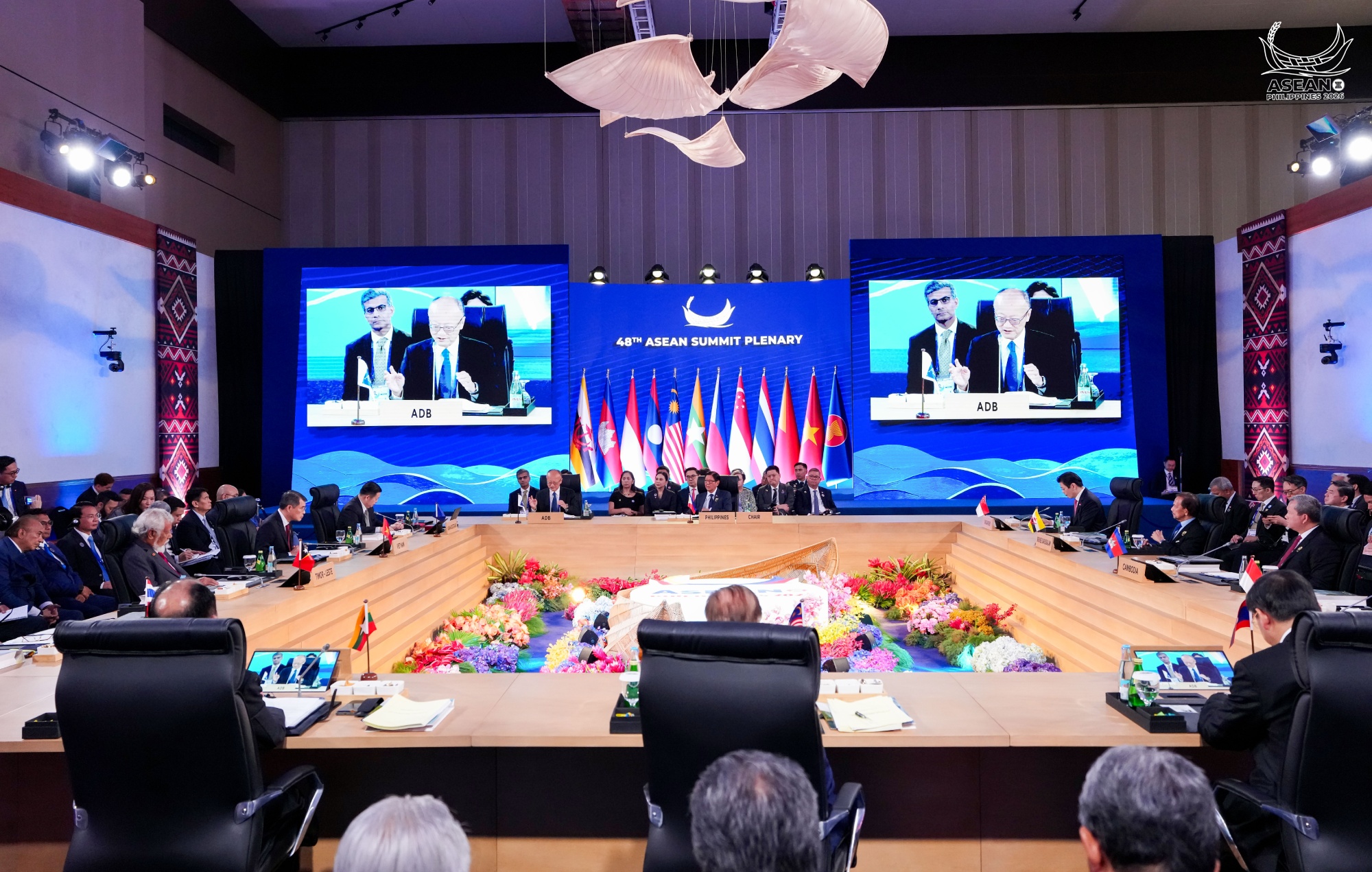
The recovery held as of August, with PMI figures for both ASEAN and the Eurozone maintaining an upward trajectory despite uncertainties in the Middle East. We find that sturdy domestic consumption activity and demonstrated resilience – as seen during the peak of the US’ tariff war on exporters in 2025 – will support strong growth momentum for ASEAN manufacturers until year-end, oil price fluctuations aside. If anything, the recent conflict bolstered discussions to build a joint regional fuel stockpile under the ASEAN Petroleum Security Agreement, which was tackled by heads of state at the ASEAN Summit meetings held in the Philippines in May.
New players rising
Southeast Asia’s manufacturing sector has also sprinted ahead over the past decade. During this period, some countries have more than doubled their output, and this can be seen in Graph 2. Indonesia kept its title as the region’s biggest manufacturing powerhouse, consistently accounting for one-third of total value-added between 2016 and 2025. Thailand, which used to produce 20 per cent of ASEAN’s total factory output, remained second with a 15 per cent share last year. The lower share came amid a modest growth of 4 per cent in manufactured goods during the last decade.

Meanwhile, relatively smaller markets took the biggest strides: factories in Cambodia saw output surge by 121 per cent between 2016 and 2025, while Vietnam production rose by 106 per cent in the same period. Vietnam’s rapid expansion allowed the country to corner over 14 per cent of regional output from just one-tenth previously, virtually absorbing the market share which Thailand shed. Other notable increases in production value came from Singapore with 57 per cent, Malaysia with 46 per cent, and the Philippines with 31 per cent within a 10-year span, based on World Bank data.
Taken together, the region expanded aggregate manufacturing output by 40 per cent between 2016-2025, well above the comparable 12 per cent increase for manufacturers in the Eurozone during the same period. Output growth is likely to continue this year given positive hints from latest PMI numbers, which prove encouraging.
This uptrend is likely to be sustained over the next decade, in line with our optimistic long-term view favouring developing ASEAN countries against the mature Western markets. Rising household incomes will further increase the demand for manufactured goods and, in turn, regional producers will seek to meet this ever-growing demand. This will generate even more jobs and higher incomes for labourers to create a lasting virtuous cycle benefiting ASEAN economies. We at Lundgreen’s recommend keeping overweight risk towards Southeast Asia as we see regional assets benefiting from overall buoyant growth prospects, including shares in manufacturing companies. Equities in this region are currently undervalued, relative to our expectations of a robust and resilient growth in the long run.