
Can Indonesia secure its palm oil industry’s future?
There is much that Indonesia can gain from its palm oil sector, but new regulations on commodity exports and production challenges have gotten markets concerned.
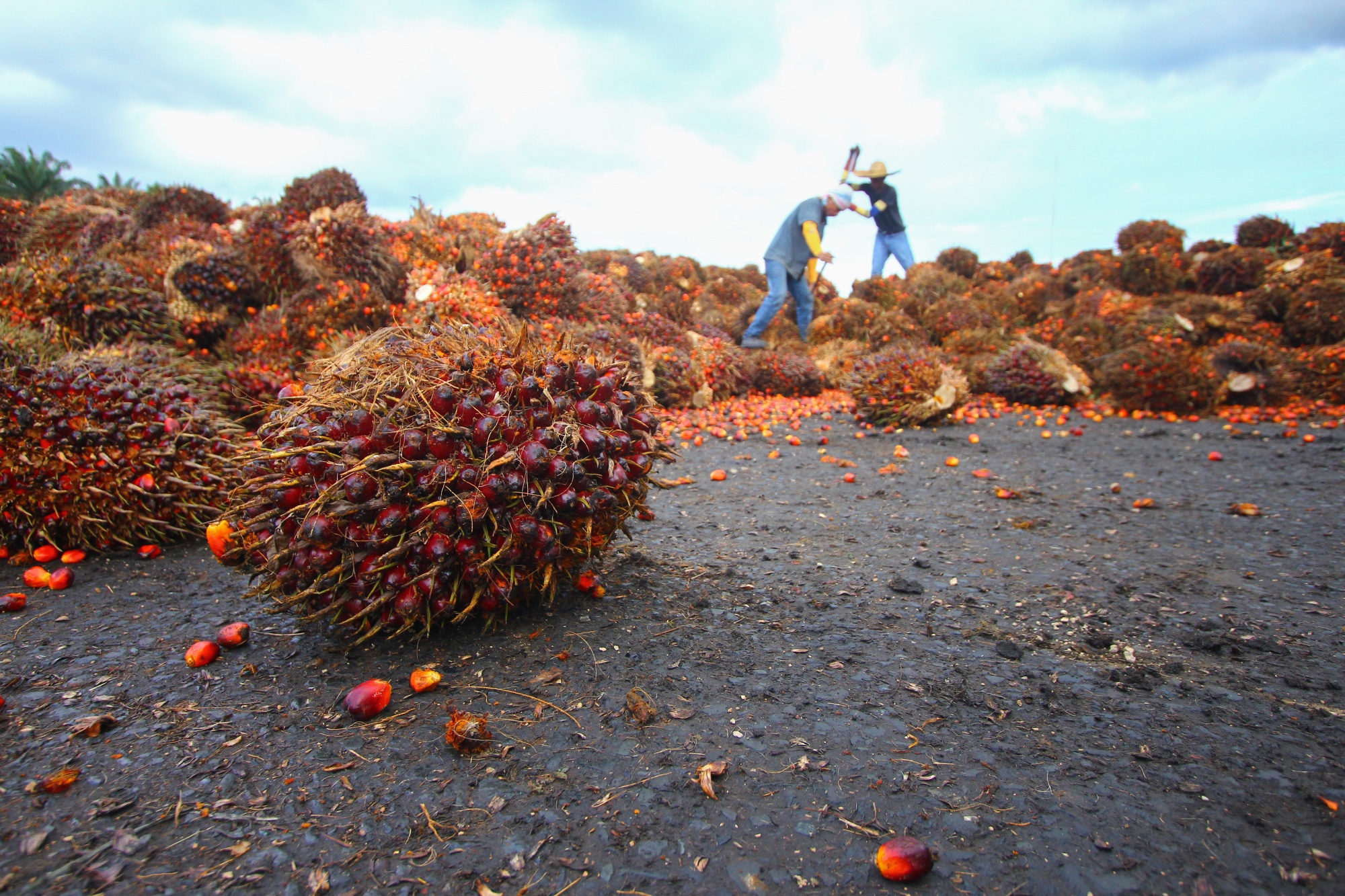
For Indonesia, palm oil is a major export as it accounts for 58 per cent of global palm oil production, totalling 46.7 million metric tonnes. However, the industry has also been associated with deforestation and habitat loss, though the Indonesian government has since made moves to make production more sustainable. One such initiative is the Indonesian Sustainable Palm Oil mandate in 2020 which certifies a local producer’s ability to follow environmentally friendly production protocols, with the aim that the entire industry’s supply chain must earn this certificate to conduct business.
However, the year 2026 has proven to be a challenging one for Indonesia’s palm oil industry. Off the bat, the global energy crisis has led to higher logistics costs for exports. Another external factor is the new 10 per cent tariff imposed by US President Donald Trump on Indonesia’s exports, allegedly due to the country’s limited enforcement of rules against forced labour in manufacturing. Adding to the pressure on the domestic side is President Prabowo Subianto’s plan to centralise commodity exports that would require foreign buyers to coordinate purchases with government agencies, including palm oil.
While the palm oil industry is getting squeezed, there is still a growing market due to high demand from other states.
Production woes
According to the Indonesian Palm Oil Association, land dedicated to palm oil plantations owned by smallholders, or small-scale farmers, has increased from 1.19 million hectares in 2000 to 6 million hectares in 2021. While the increase in plantations reflect the growing domestic and global demand for palm oil, there are certain issues that hinder production.
The intensified El Niño phenomenon coupled with deforestation has recently led to forest fires in January and June this year. Based on the Forest Ministry’s data, a total of 107,465 hectares of land have been affected, an increase of 110 per cent in the same period of 2023. This would undoubtedly affect palm oil productivity.
Beyond natural causes, the global energy crisis has also affected the sustainability of palm oil production as fertiliser prices have increased by 30 per cent, making it more difficult for smallholders to absorb higher input costs. As such, this could lead to a drop in crude oil production by up to two million tonnes and create a delayed palm oil supply shock. Despite a strong recovery seen in the beginning of 2026, Graph 1 shows that the momentum has died down, with the trend between March to May almost mirroring that from the previous year. The rebound in June was not enough to bring aggregate production back to February’s pre-conflict level.

Indonesia’s new export regime thus takes on greater significance as this grants government control over who gets to access palm oil products, given the currently limited supply.
From exporter to allocator
The Ministry of Trade has issued new palm oil regulations to strengthen state-owned companies ahead of the imposition of the requirement for export approvals from these government agencies by January 2027. Subianto adds that aside from centralising the export of key commodities to boost state revenue, the move is also meant to make up for the USD 908-billion loss in revenue over the last 34 years of supposedly underselling these products.
So far, the subsidiary of the country’s sovereign wealth fund, Danantara Sumberdaya Indonesia (DSI), has been overseeing goods exports worth USD 14 billion beginning in June. While there have been fears about the DSI possibly monopolising the industry, the government assures that the subsidiary aims to tackle undercutting, or pricing wars, while curbing information asymmetry among buyers, traders, and producers of certain goods.

As the biggest industrial export product, Indonesia’s palm oil remains highly valuable as it recorded accumulated exports worth USD 17.4 million for January-July. In comparison, the same period in 2025 only garnered USD 16.6 million. With DSI’s role in palm oil trade, export revenues are projected to increase while tax rates may be reduced. Aside from protecting the value of its natural resources, there is hope that the new rules can encourage foreign businesses to set up shop in Indonesia and not add to the cost of doing business in the country.
At Lundgreen’s, however, we prefer a true open market to determine prices and set up trades instead of a government instrumentality serving as brokers.

Alternative energy to cut costs
An important market we see is biodiesel 50 per cent (B50), a blend of equal parts crude palm oil and petroleum diesel. According to the Ministry of Energy and Mineral Resources, B50 could help reduce the dependence on imported diesel and strengthen national energy security while saving an estimated IDR 170 trillion (USD 10.8 billion) on fuel purchases. With the expected slowdown in palm oil exports, the local industry can use the remaining palm oil to produce biodiesel for the domestic market.
Indonesia’s palm oil sector is moving away from volume towards value, and we see that this could be an important opportunity for trade with other countries beyond the US that are also looking towards sustainable energy. Indonesia and Russia have signed a memorandum of understanding to expand trade and market access across the two markets, and we view this strategy as more market-oriented compared to government export quotas and approvals. As Indonesia looks to produce more palm oil, this may potentially encourage new investments towards innovations in its processes.