
Oil supply and fiscal power both running dry in Southeast Asia
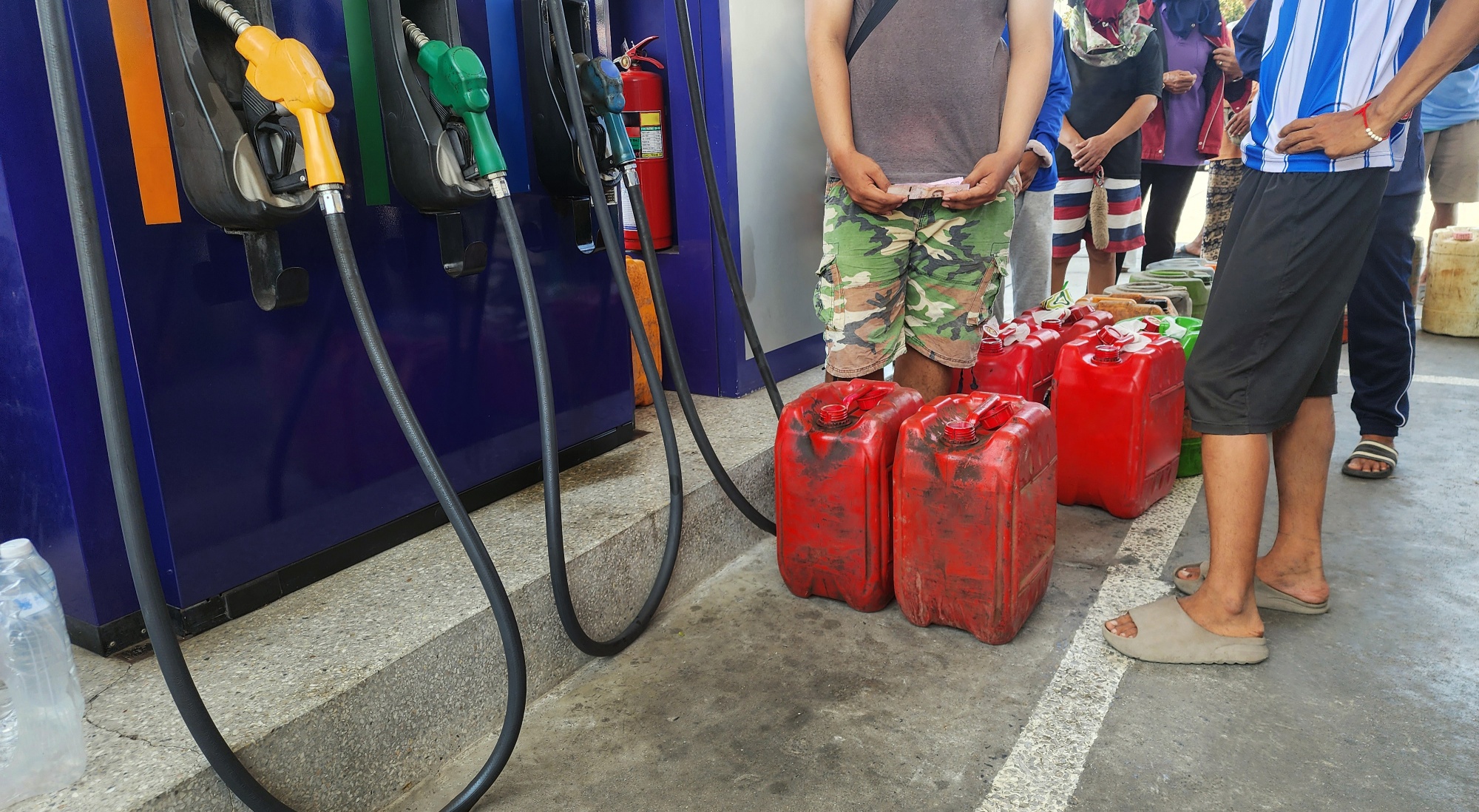
Developing ASEAN economies are among those suffering the most due to the ongoing global oil supply crisis, disrupting their growth momentum for the year.
Southeast Asia is bearing the brunt of the US’ attack on Iran that began in February, resulting in massive disruptions in crude oil supply that is pushing inflation higher for longer. As ASEAN is heavily reliant on imported oil from the Middle East, supply has gotten harder to secure with the continued blockade of the Strait of Hormuz and with some oil infrastructure destroyed following attacks carried out by US and Israeli forces.
Some Southeast Asian governments were quick to roll out or increase pump price subsidies to alleviate the financial pain. This is proving to be a costly bailout as authorities were initially working under the assumption that the conflict can be quickly resolved and rollback global oil prices to normal at under USD 70 per barrel. Three months later, crude oil at USD 100 a barrel has so far become the new norm.
Inflation conundrum
ASEAN economies are seeing a sharp spike in prices, which immediately reflected in transportation-related costs in some countries.
Graph 1 compares the trajectory of headline inflation and transport-specific expenditures in the first four months of 2026, with the Philippines seeing the sharpest surge in transport costs at a 21 per cent year-on-year increase in April. Thailand and Singapore follows, with transport inflation surging by 11.4 per cent and 7 per cent, respectively. Meanwhile, transport prices rose by a relatively softer scale in Malaysia and Indonesia – countries which have been heavily subsidising fuel prices even prior to the supply shock. Despite the relatively modest uptick, the actual impact is much stronger given that households have been so used to paying much less for their energy consumption.

The Middle East provides around 40 per cent of Southeast Asia’s energy needs, bulk of which are shipped through the Strait of Hormuz. This includes oil producers Indonesia and Malaysia, which still rely on imported supply to fully meet domestic demand. Higher oil import bills and, in turn, bigger external trade deficits are also driving weakness in regional currencies, triggering second-round effects on the prices of other goods.
GDP growth is at risk as well, with governments relying heavily on energy conservation and demand reduction measures to manage available supply. Work-from-home protocols, shortened workweeks, price controls on key commodities, and cuts in operating expenses of government agencies are among the policies currently in place to ease power demand. Vietnam implemented more aggressive policies to keep fuel prices low through lessened taxes levied on pump prices, together with consistent drawdowns from its Fuel Price Stabilisation Fund. Meanwhile, Singapore was the first among ASEAN central banks to tighten monetary policy through exchange rate adjustments amid rising import costs.
However, these energy demand curbs are akin to constraining economic activity. Already, early signs of a slowdown have emerged: Vietnam’s GDP growth has eased to 7.8 per cent in the first quarter of 2026 from 8.5 per cent in fourth quarter of 2025, while the Philippines saw growth slide to 2.8 per cent in the January-March period.
Runway for aid narrowing
US and Iran have agreed to a peace deal after almost four months of attacks, but oil production facilities and trade flows are unlikely to be restored right away. This heightened uncertainty is keeping prices higher for longer. Despite this, the Asian Development Bank (ADB) is advising governments to wind down blanket fuel subsidies and bring back suspended oil excise taxes, saying there is a need to preserve fiscal space for potential black swan events in the future. The development lender is saying that these welfare measures are proving increasingly costly as the Middle East crisis stretches on, and as world crude prices continue to fluctuate.
Instead, the ADB suggests shifting aid towards targeted segments of the population to maximise impact while keeping public finances in check. Many Asian governments are still trying to rein in public debt following various interventions due to the COVID-19 pandemic; thus, fiscal space remains limited.
The good thing about the region is it stands better equipped to weather this crisis compared to the rest of the world. GDP growth may have eased for some countries; however, their pace remains head and shoulders above the performance of mature economies. Graph 2 shows that average salary growth, which averaged 5.4 per cent for Indonesia, Malaysia, Philippines, Singapore, Thailand, and Vietnam, has consistently outpaced inflation, the latter averaging 1.5 per cent in 2025. The same trend was seen in 2024 based on survey data, providing assurance that Southeast Asian households can comfortably keep up with rising costs.

Average salaries for these Southeast Asian economies are expected to rise by another 5.3 per cent this 2026, which can assist consumers in keeping up with faster inflation. This is much faster than the projected increase in salary budgets in the US, UK, and Germany, which are all estimated at 4 per cent.
Together with an easing though still upbeat growth momentum, we are more confident about the ASEAN’s resilience in weathering this high inflation scenario for longer compared to its counterparts in the West. Developing Southeast Asia will continue to drive global growth, and this will support good returns for existing and potential investors in the region. We at Lundgreen’s remain overweight towards Southeast Asia despite the clouds in the horizon.