
Hope springs eternal – says the Labour Party
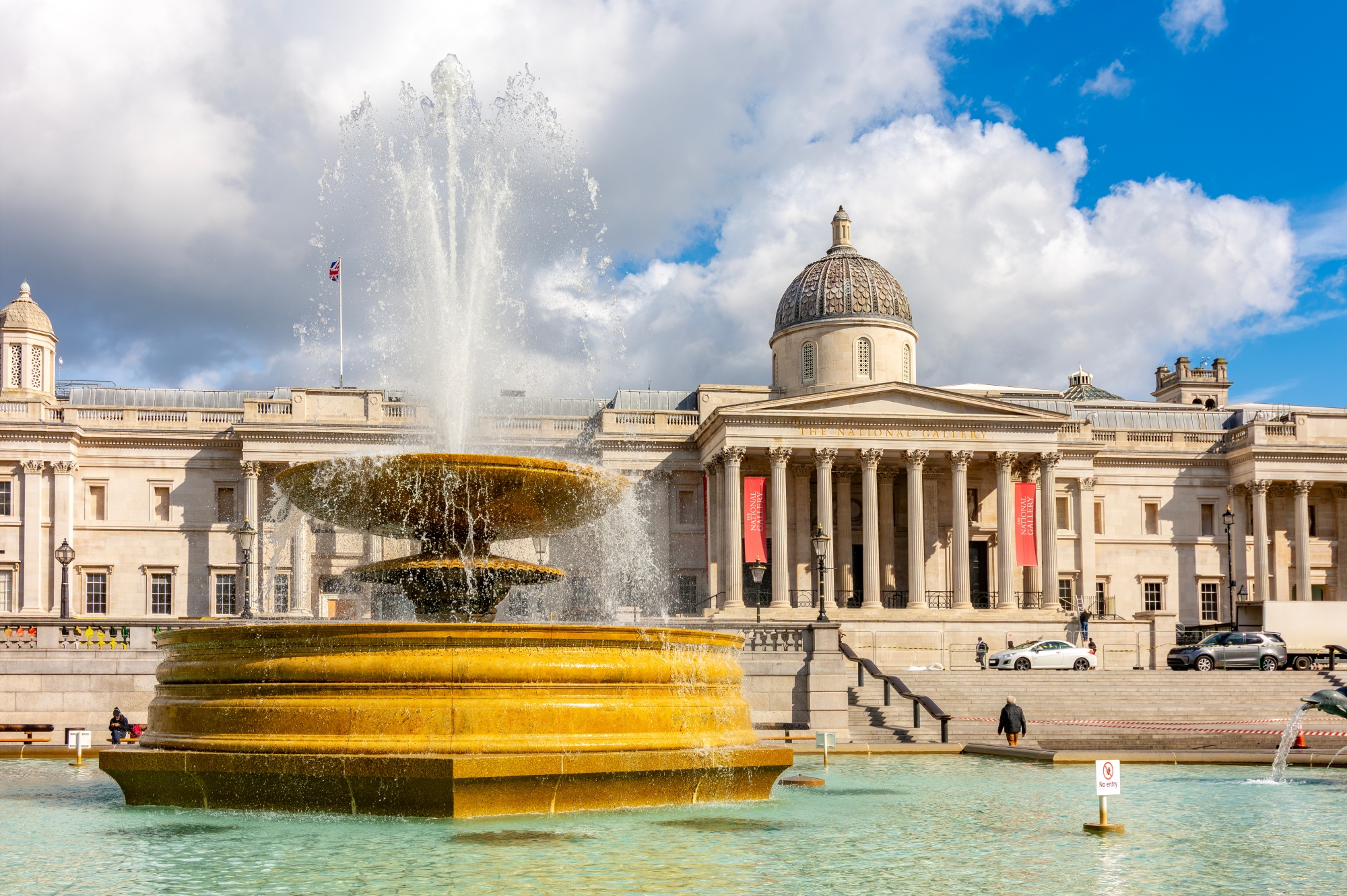
Storms in the British market are changing winds both away and at home.
Early in March 2026, Chancellor of the Exchequer Rachel Reeves delivered her Spring Statement, an update to her 2025 Autumn Statement that incorporates feedback from other parties, businesses, and consumers, among others. Reeves also shared the latest forecast from the Office for Budget Responsibility (OBR) regarding anticipated economic growth and underlying assumptions of the spending plan. Between autumn and spring, the Labour party have U-turned on several of their proposed policies since they came to power. Will they back down yet again?
Chilly winds of change
One may ask if there have been any changes over the past few months, but there has not been a lot. We previously dived into the very few changes that the Spring Statement introduced, and these involve the underlying economic assumptions underpinning the plans shown in Graph 1.

The OBR slashed the UK’s GDP growth forecast from 1.4 per cent in November 2025 to 1.1 per cent owing to cyclical weakness evidenced by the loosening labour market and subdued business results. Looking at the job market, the projected peak unemployment rate rose from 5 per cent to 5.3 per cent in March 2026 as new graduates have been unable to secure employment amid lower hiring demand from the private sector.
In terms of public debt, consistently a key headwind for the British economy, the OBR projects a lower public borrowing requirement of around GBP 6 billion (USD 8 billion) due to higher-than-forecast tax revenue collections at the end of 2025. Finally, the OBR expects a cooler bout of inflation at 2.3 per cent for 2026, slightly lower than the 2.5 per cent forecasted last autumn from slower wage growth and generally lower prices expected for the year.
The latest economic forecasts for 2026 are, if anything, a perfect reflection of the typical hodgepodge of British weather. Lower inflation and lower public borrowing are as good as a sunny day, but the higher unemployment rate and slower GDP growth prospects cast a cold, damp atmosphere at the same moment. Combined with rising uncertainty about the premiership, gloomy skies appear to have the slight edge for now.
Weathering the British market
Both business and consumer confidence have unfortunately remained pessimistic since last year. Looking at Graph 2, the two confidence indices stayed below the neutral threshold of 100, suggesting that negative sentiment has prevailed through April 2026. However, there has been some improvement following the November 2025 Autumn Statement and the holiday season, though not enough for optimists to outweigh their counterparts. The last time that the business and consumer confidence indices tallied a net optimism score was in October 2023 and August 2021, respectively.

As of April 2026, business confidence remains slightly more upbeat than in end-2025, though it has declined for two consecutive months. Still, this softness is not at the same pace as that of consumer confidence, which has plummeted to its lowest point after the holidays. These indices imply that market participants expect economic conditions to worsen in the immediate future. In turn, this is driving investor confidence further into the negative – or at least, unremarkable.
While the Spring Statement brings in mixed winds, it cannot be denied that the waning confidence for both businesses and consumers is driven by something far more unpredictable than the weather. Even the Labour government could not predict the Iran-shaped cold vortex currently shadowing the global economy, which has now stretched to three months without resolution. Brent crude prices have touched peaks higher than in 2022 – driven by Russia’s attack on Ukraine – and have remained highly volatile due to the tit-for-tat attacks at the Strait of Hormuz and progress (or lack thereof) in negotiations between the US and Israel with Iran.
Granted that Reeves only alluded to this major global development in her speech, it is evident that the OBR’s Spring forecasts and projections did not take this fresh conflict into account, and it can very swiftly change economic tides from hereon. On top of this, the UK is still reeling from the terrifying chill of the 2022-2023 energy crisis from the Russia-Ukraine war. As the UK imports a significant part of its gas and petroleum consumption, the country remains at the mercy of global oil prices and their sharp day-to-day swings.
This US-Iran war will prove to be consequential to the goals of the Labour government, especially in the wake of the recent local elections result wherein British voters have seemingly abandoned support for the Labour Party. The results are so dire that prominent Labour members are openly challenging Keir Starmer’s leadership. These developments introduce uncertainties in the British economy which solidifies our recommendation of keeping conservative investment positions within the British market.
Reeves is convinced that their plan is the right one for the UK. However, with another storm falling onto everyone’s lap inside and outside British shores, the UK and the Labour Party must be bold enough to make difficult decisions to weather yet another cold snap.
This original article has been produced in-house for Lundgreen’s Investor Insights by on-the-ground contributors of the region. The insight provided is informed with accurate data from reliable sources and has gone through various processes to ensure that the information upholds the integrity and values of the Lundgreen’s brand.