

Global tensions briefly put spotlight on Latin America
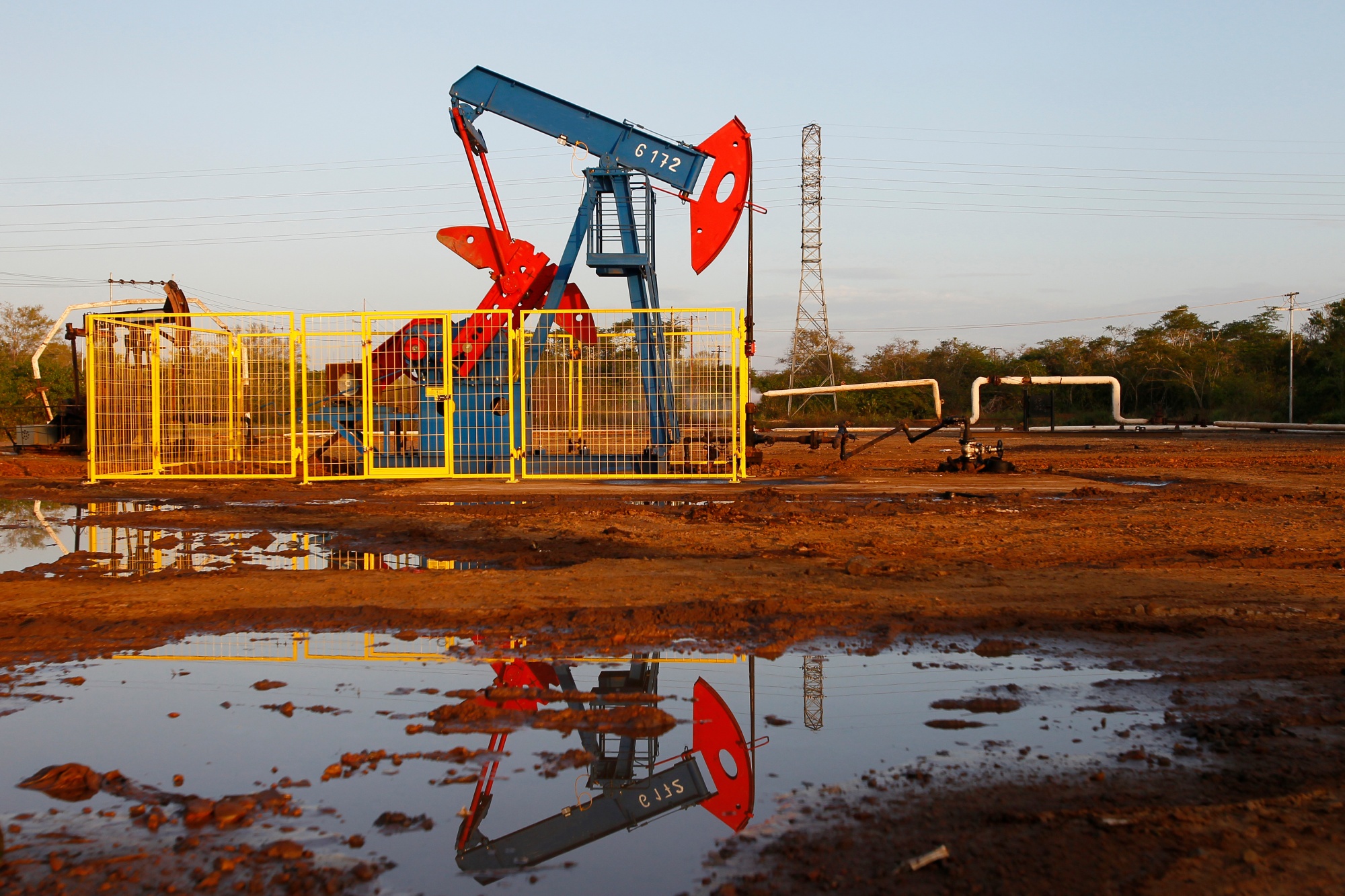
The US’ intervention in Venezuela was its first step in reshaping the global energy markets. This may present a silver lining in accelerating foreign investment towards oil-rich economies in Latin America.
Last January, US President Donald Trump ordered a military strike on Venezuelan soil to capture its president, Nicolás Maduro. Washington’s interference in Venezuelan affairs is just part of a series of events that would rock the world’s crude markets.
US troops captured Maduro and his wife in the capital city of Caracas on 3 January, and the two have since been imprisoned in New York. Trump is justifying the arrests under the guise of protecting Americans from Venezuelan drug cartels and illegal immigration, which he linked to Maduro’s administration. Back home, Venezuela continues to suffer from runaway inflation, with prices up 612 per cent year-on-year in April; poor quality infrastructure; and a heavily indebted government with zero fiscal room to propel the economy forward.
Still, it is doubtful that the US would get even a slap on the wrist for this surprise attack even though it is largely considered illegal under international law. This also marks an unprecedented event for Latin America, which has never suffered a direct invasion by the US. So, what can we expect from these events? The answer lies within countries with oil reserves and a potentially profitable energy sector that can positively affect BRICS+ countries and the rest of Latin America, taking advantage of growing multilateralism in response to US policies.

The aftermath
Venezuela, now under the command of interim leader and Maduro’s vice president Delcy Rodríguez, has been attempting to convince the US and the world that it is changing for the better. In February, the country enacted an amnesty law that allows the release of political prisoners per the US’ request, but it has barely been implemented. Meanwhile, a reshuffling within military ranks has not changed the political leanings of those in high command, who remain Maduro allies.
On the economic front, Rodríguez’s major reform has exposed the US’ true intentions behind raiding Venezuela – that is, to tap the nation’s vast oil reserves. New laws allowing the direct participation of private companies, including foreign equity, in the exploration and processing of Venezuelan oil have been approved; for the longest time, oil resources were under state control. The Venezuelan parliament also approved a new mining law that opens the sector to private and foreign investments to explore for gold and “strategic minerals”.
Trump seeks to control Venezuela’s oil supply to push prices down, but this is much easier said than done. Graph 1 shows that crude oil exports from Venezuela plummeted to under 487,000 barrels a day in 2020 from a peak of nearly 2 million barrels per day in 2015, a level not seen since. However, one must remember that underneath the South American country lie the biggest yet underutilised oil reserves in the world. As such, we anticipate investments to pour into Venezuela, particularly private capital inflows that would allow risk-tolerant investors to explore potential long-term gains. The highly unstable political environment, however, remains a key deterrent – not to mention the deteriorated state of existing oil infrastructure.

Eyes on Latin America
Most countries in Latin America assume a cautious opinion regarding US military operations in Venezuela, which seems to be a safe play. While South American countries have been less dependent on the US in the last few years, the latter remains a critical trade partner.
Overall, there is a chance that Central and South American countries, particularly those with untapped oil reserves, can rise to the main stage of the global oil market. To do so, Venezuela must overcome certain hurdles. While maintaining good diplomatic relations with the US is crucial, closing the gap with China is even more important. Currently, Venezuela is feeling the pressure from the White House, making way for other countries to increase its export volumes to China. So far, 80 per cent of Venezuelan oil goes to Beijing.
Its neighbour, Brazil, is pursuing a similar path as it expands trade with China. Graph 2 illustrates the growing importance of Beijing as Brazil’s trade partner, especially in the past few years with the Chinese economy posting consistent, rapid expansion while the US economy retreats towards protectionism. In 2025, the value of Brazilian goods shipped to China hit nearly three times the value of US-bound exports per government data. In contrast, the cumulative value of Brazilian exports to the US have declined in 2025 from a year ago. This widening gap has been sustained in January-April 2026, with Brazil exporting goods amounting to USD 35.6 billion to China against USD 10.9 billion worth of products sent to the US.

Compared to other Latin American nations, Brazil stands out as a reliable oil supplier with a more stable diplomatic relationship with China, which could attract Chinese investments into Brazil’s domestic sector.
Evolving geopolitical ties could potentially reinforce this growth trend. The free trade agreement between the EU and Mercosur, South America’s economic bloc, has come into force on 1 May while Japan has initiated trade talks with the region. This could even bring the larger BRICS+ coalition to the forefront of the global market, in part a reflection of escalating political dissatisfaction towards the US and its manoeuvres.
Disruptions in the global oil supply due to the ongoing US-Iran conflict presents a silver lining for Latin America: attention has shifted away from Venezuela’s political situation, and higher oil prices also translate to bigger revenues from foreign trade. The oil supply shock also highlights the need to diversify sources, which presents opportunities for more investments in Latin American petroleum companies as they append global supply. Of course, inflation concerns partly offset potential gains from this ongoing crisis, and we remain watchful regarding prices and consumption in this market.
This original article has been produced in-house for Lundgreen’s Investor Insights by on-the-ground contributors of the region. The insight provided is informed with accurate data from reliable sources and has gone through various processes to ensure that the information upholds the integrity and values of the Lundgreen’s brand.