
Breaking beyond China’s corporate debt
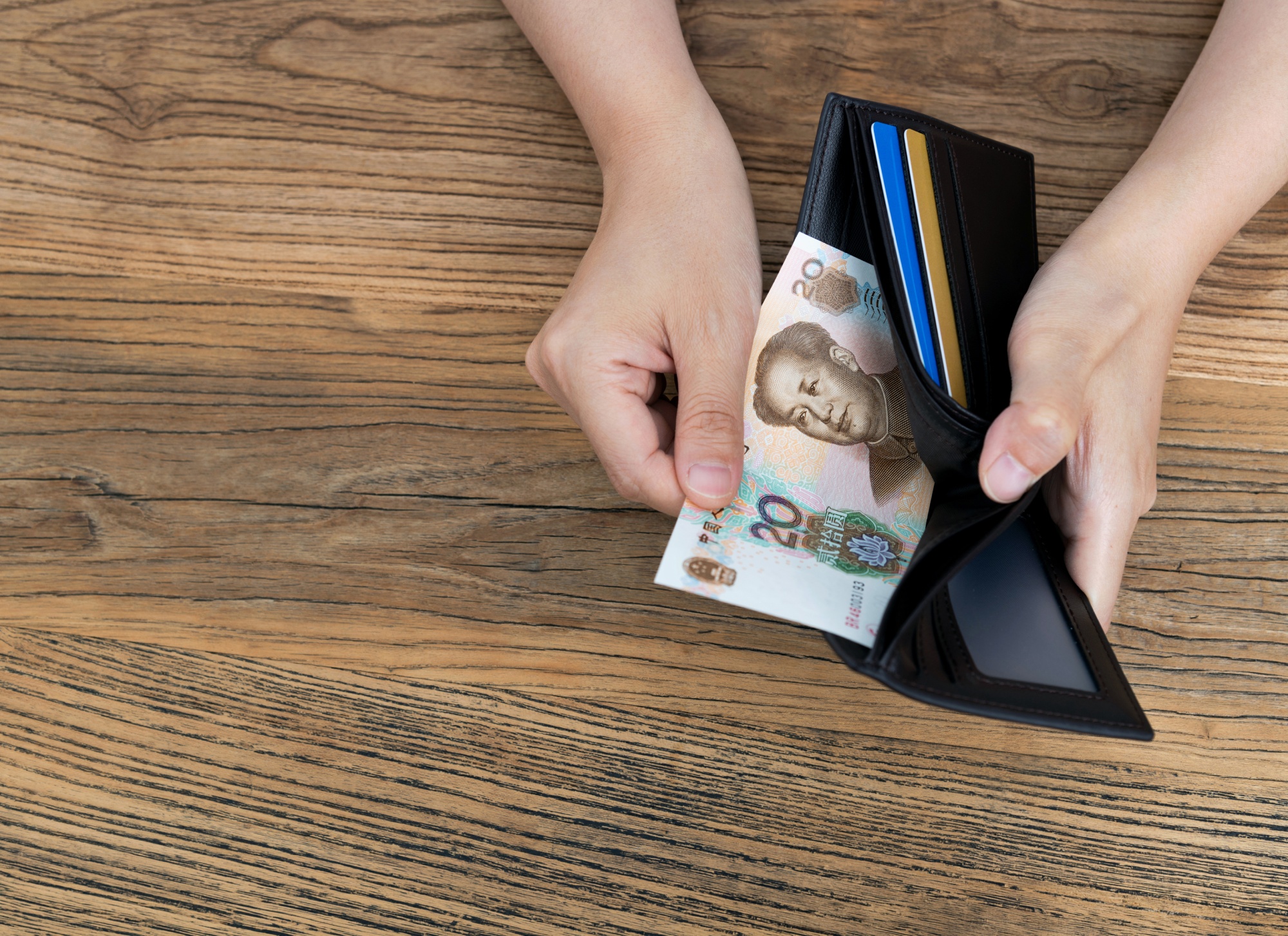
The spotlight is on Chinese corporate indebtedness which has remained elevated amid shrinking profit margins and weak domestic demand.
There is no denying that China’s growth momentum has been decelerating in recent years, but it appears that global markets are unperturbed. The Chinese government has communicated that the current slowdown is the direct effect of policy shifts targeting a more sustainable economic future, which relies largely on high-tech manufacturing and services.
GDP growth has moderated to 4.7 per cent in the first six months of 2026 against a full-year target range of 4.5-5 per cent. The downward-revised target, coming from a 5 per cent growth goal in previous years, was a clear signal from Chinese officials that this year’s slowdown is deliberate, shifting the country to a tech-driven future. However, one facet of China’s macroeconomic data and industry figures has been a key source of nervousness when one looks at China’s prospects: debt.
Big brother, big borrower
Debt is increasingly becoming a concern in both the national and corporate level. China’s general government debt has reached 99.2 per cent of GDP as of 2025, far higher than that of its developing market peers and almost matching national output. Estimates from the International Monetary Fund (IMF) point to a rising debt trajectory, with public debt burden seen reaching 126.8 per cent by 2031.
The same trajectory can be observed for Chinese corporations, which bear the largest debt burdens when compared to foreign counterparts. Graph 1 shows that debts held by Chinese non-financial firms are well above the rest as of March 2026, equivalent to 146.6 per cent of GDP. Japanese firms are a far second, with outstanding loans at 113 per cent of GDP.

This level of indebtedness is unsurprising given that a big share of Chinese firms is state-owned, or are under some form of state investments and/or control. The IMF has flagged that corporate debt remains elevated as firms continue to reel from dwindling consumption following the COVID-19 pandemic, the US tariff war, and prevailing demand weakness due to the ongoing domestic property sector crisis. Further, the global lender advised Chinese authorities to facilitate debt restructuring and tighten credit standards to stem these risks.
State-owned enterprises have better access to cheap credit as they draw support from local and national government financing, and this may include bailouts when necessary. However, all debts – whether borrowed by a state enterprise or a private firm – ultimately fall due, and any enterprise must repay them or head to delinquency. In the same vein, the abundance of state-owned firms also means that public finances get dragged into the mix and take a direct hit when these businesses default on their obligations. This could raise investor nervousness towards Chinese markets as a whole. At Lundgreen’s, we strongly prefer truly private corporations which are evaluated at their own merit, whether for lending, equity valuation, and profitability.

Affording and outgrowing debt
The bigger question surrounding corporate debt is the ability to repay them. A cursory view on headline data suggests strong profitability among Chinese firms, with cumulative earnings up 17.6 per cent for January-July compared to the same period in 2025. However, this figure does not reflect a wide incongruence in profits across industries. For example, business providing support to mining activities saw total profits surge by 116.6 per cent in the first seven months of 2026, while electronics producers saw earnings grow by 105 per cent during the same period based on government data. Meanwhile, Chinese furniture makers saw profits plunge by 58 per cent between January-July while auto makers suffered a 20.4 per cent drop in total earnings year-on-year.
The wide disparity in corporate performance reflects both the policy shifts being implemented by the Chinese government regarding priority sectors, with high-tech manufacturing on top of this list, as well as long-standing issues hounding domestic markets. Meanwhile, the declining profitability of furniture and car makers capture households’ reluctance to spend on durable goods amid persistently weak consumer sentiment and expectations that prices can go even lower given price wars among manufacturers.
Assessing Chinese companies in terms of losses, one can see a rising trend in both the number of lossmaking firms and cumulative losses. Graph 2 shows 153,365 firms in the red in July 2026, a higher tally when compared to the same month in previous years. Even more noteworthy is the increasing value of net losses incurred by these companies, which have been on the rise since May despite some reductions for most of 2025.

Chinese firms that might have found footing towards their return to profitability last year likely lost that grip yet again this 2026 given the many disruptions in the domestic and global markets. With a slowing growth in retail sales, reduced profitability, and rising borrowing costs – for external debt, at least – it is becoming harder for these companies to service their debts. However, the situation is not all grim, as Mainland corporates are able to offset these with low producer prices and muted headline inflation, along with low interest rates set by the People’s Bank of China for domestic loans. Add the fact that these businesses ultimately cater to as much as 1.4 billion in domestic consumers, plus millions more through exports.
Challenges remain for China’s non-financial corporates which may keep market observers on their toes, but we see good opportunities in this scenario. Despite these disruptions, we see that Chinese firms exhibit strong potential for sales and profit growth in the long run, yet shares in these companies have been undervalued. Their capacity to grow in the next 5-10 years will allow Chinese firms to improve returns and grow sustainably to afford their debts. As such, we continue to recommend overweighting towards China assets.