

Germany’s gas, grid, and green energy
For once, the constraint affecting Germany’s energy transition is neither money nor bureaucracy – it is a booming world economy.
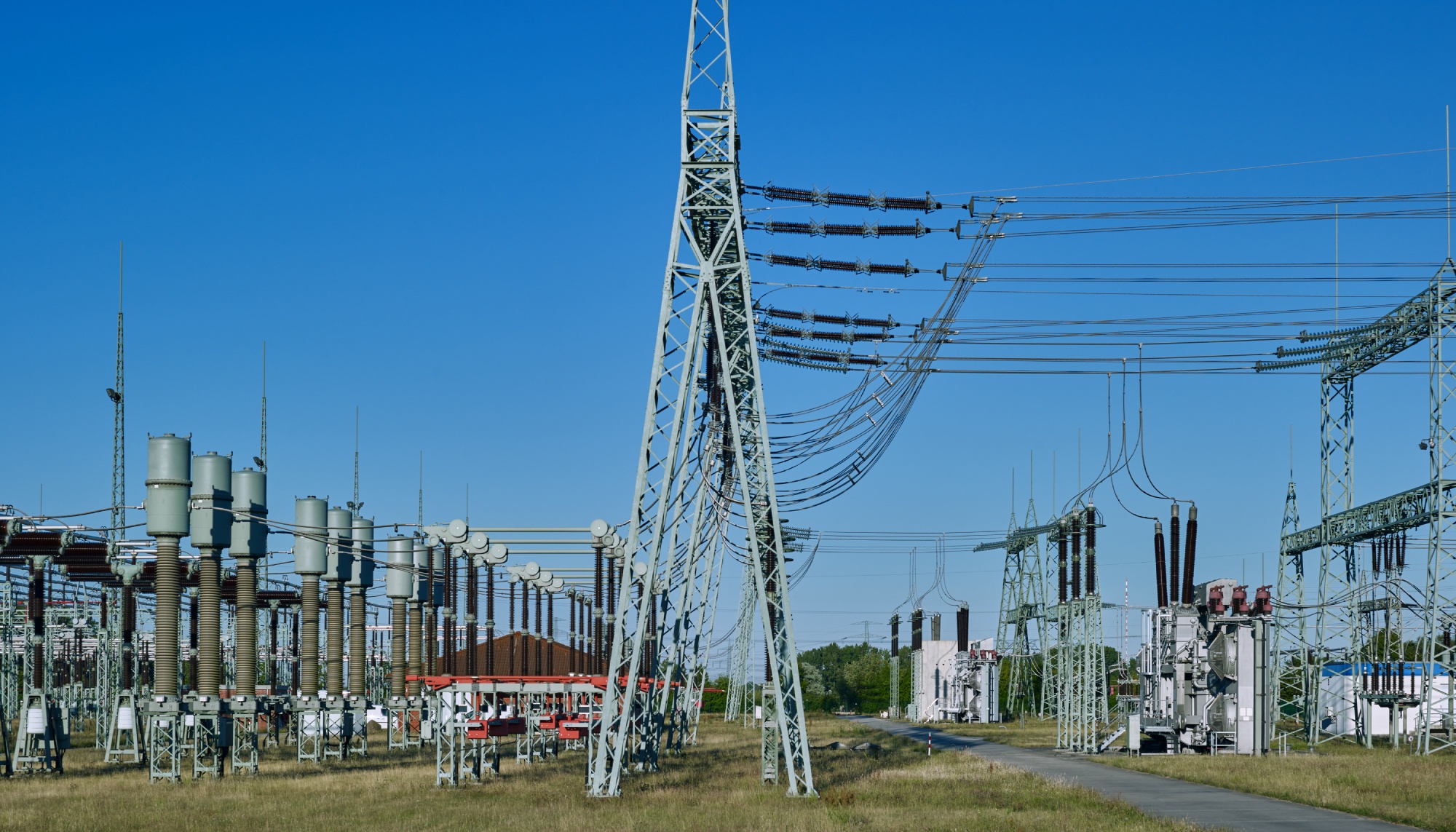
To achieve its goal of climate neutrality by 2045, Germany is investing heavily in renewable energy sources like wind and solar power. However, the wind blows and the sun shines unpredictably, sometimes in the wrong places: as power is generated in the north while factories sit in the south, the country’s energy transition must be managed. The extension of grids as well as the increase of variable electricity supply are needed.
Though the necessary permits and capital seem to be available, it is up to the supply chains to determine the speed of this transition.
While it is evident from Graph 1 that Germany is increasing its renewable energy production, it needs to pick up the pace if it wants to achieve its quota of sourcing 80 per cent of its energy needs from renewables by 2030. In addition, the existing 30 gigawatts (GW) of coal-fired capacity are set to go offline by 2038. Together, this means that renewables production must roughly triple or quadruple by 2045.

Germany has been reducing its energy production per individual and as a nation, but the reduction of greenhouse gas emissions for buildings and transport sectors means that these areas urgently need to transition to electricity use. As such, the mix of increased electricity demand in the coming years along with the higher share of renewable energy sources will strain the existing grid. This is especially since renewable production is clustered in the north and east while the south stays dependent on electricity imports. Missing demand flexibility, such as smart metres that charge electric vehicles during times of ample supply, exacerbates the problem. This leads to congestion in the grid wherein available energy is unable to reach consumers.
Regulating capacities
A solution to this problem is “redispatching”, wherein grid operators instruct power plants to reduce electricity generation on one side of a congested transmission line and to instead increase supply on the other. This can be done by importing energy from countries that have excess supply during certain periods. Another way is by instructing gas plants to produce more energy at short notice, lending flexibility for sudden power demand spikes.
Meanwhile, a long-term measure is to increase the available capacity that will allow the German grid to react and smooth out these imbalances. To this end, the government is auctioning off 11 GW of capacity within the following year with more in the pipeline. The first round was distributed on 1 September while the second offer is slated for 8 December, totalling 9 GW. These additional capacities are required to come online fast, produce power for sustained periods at a time, and be ready to come online after a short break. These conditions appear almost only suitable for gas-fired plants. Next year, an additional 2 GW should also allow battery and small-scale plants to enter the market.
What makes this arrangement special is that these power plants are not necessarily compensated for their production of electricity, but for the mere fact that they are available in times of need. Hence, this also does not compete against existing electricity providers in the domestic market.
The grid solution
While building additional energy capacity can reduce some of the transition risks, the end-goal is to build enough electricity grids to minimise the need to redispatch. This is a giant investment opportunity for Germany: current plans estimate that adding 33,000 kilometres of transmission lines will require total investments of as much as EUR 392 billion (USD 439.5 billion) by 2045. The figure includes reinforcements and updates to existing power lines.
Not even Germany’s famously lethargic bureaucracy has managed to stop it, with the number of kilometres of planned or approved transmission lines surging sevenfold between 2019 and 2025. This can also be seen in Graph 2, which shows the increase in actual and planned openings of power lines.

The natural monopoly in electricity distribution means that this is a heavily regulated industry, with the government imposing a revenue cap that captures operational expenditures, depreciation of grid infrastructure, and an allowed return on capital. This incentivises grid operators to be more efficient. Revenue then directly influences the electricity price, which is a mix of taxes, generation and distribution costs, and grid fees. Likewise, these finance the compensation for operators that provide additional capacity in case of bottlenecks.
Germany features high-voltage grid operators that run about a quarter of the country’s electricity grid. These operators are facing enormous investment requirements in the coming years, financed by equity and debt issuances.
While funding for grid expansions comes from investors in search of stable, bond-like returns, the real holdup might be within the supply chain. Lead times for cables and transformers have doubled to two or three years amid high demand, with delivery backlogs expected until 2029. In particular, two large suppliers of gas turbines, GE Vernova and the German company Siemens Energy, are similarly stretched as they are booked out through 2028, with order backlogs worth EUR 162 billion (USD 188 billion) and a book-to-bill ratio of 1.57, referring to a piling number of orders against billings.
As the global artificial intelligence buildout and data centre boom continues, and countries in the Middle East transition from oil to gas, Germany must move to secure its part in the global production pipeline. It has spent a decade arguing about whether to build additional capacity; the country may spend the next one discovering that the world’s order books have moved on without it.
This original article has been produced in-house for Lundgreen’s Investor Insights by on-the-ground contributors of the region. The insight provided is informed with accurate data from reliable sources and has gone through various processes to ensure that the information upholds the integrity and values of the Lundgreen’s brand.