
Setting up Malaysian MSMEs for a growth push
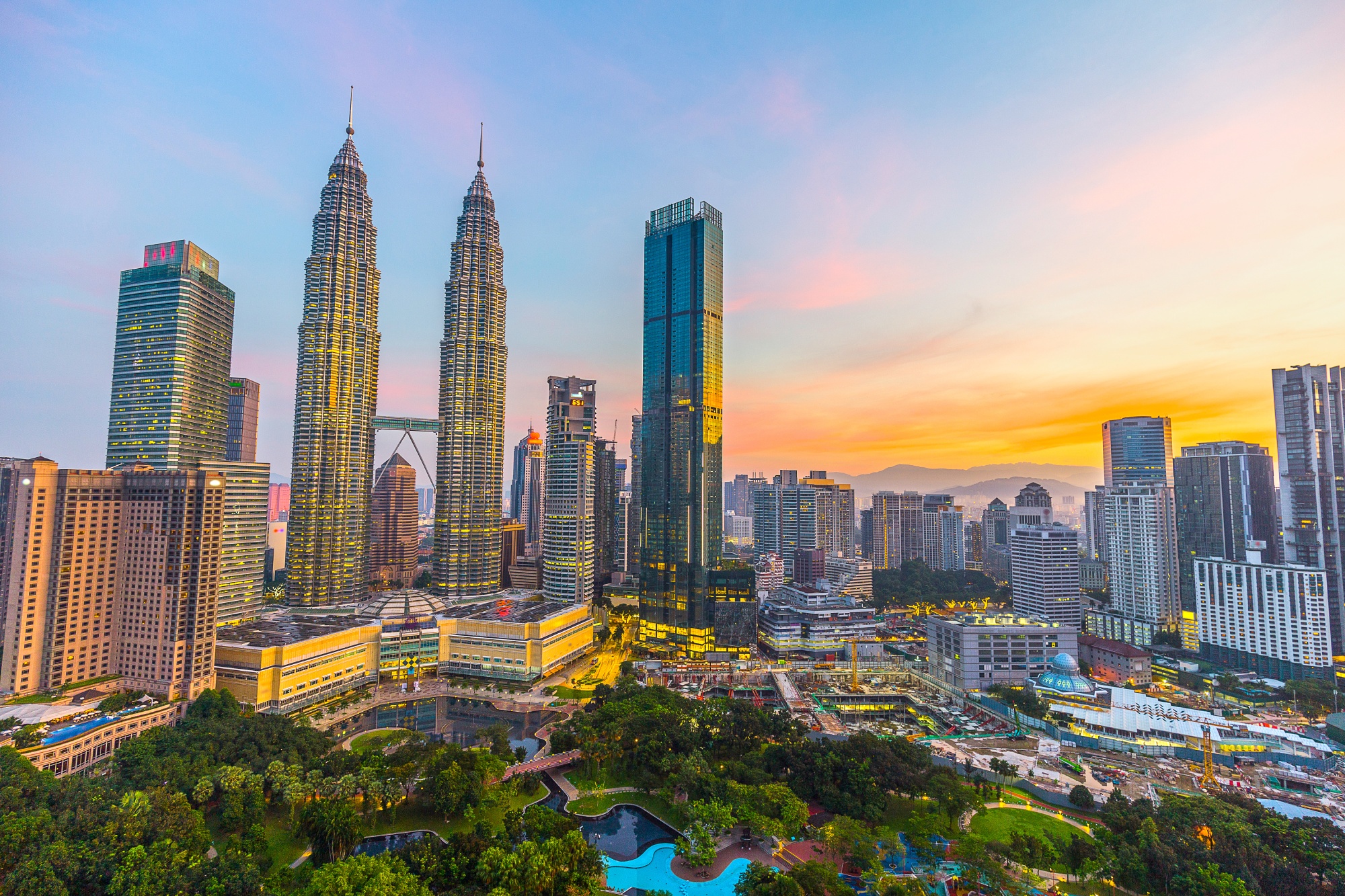
The Malaysian government is starting to see the importance of its micro, small, and medium enterprises to the country’s GDP growth amidst global uncertainties.
The Malaysian economy expanded faster in the second quarter of 2026 at 6 per cent, more robust than the 5.4 per cent recorded in January-March. However, the business climate tells a different story.
Business confidence has shown pessimism, freefalling from 4 per cent in the first quarter to -1.8 per cent during the second quarter. The geopolitical conflict abroad certainly has contributed to this, with rising energy costs, fuel subsidy rationalisation, and geopolitical tensions weighing down businesses. It goes without saying that the global energy crisis has also affected costs of production and doing business, in general.
Despite the current challenges, we still see the potential of Malaysia’s micro, small, and medium enterprises (MSMEs) and their potential spillovers into other sectors to power the larger economy through. More than keeping the corporate sector afloat, the endurance of Malaysia’s MSMEs against external shocks will also play an important role in influencing employment, investments, and overall economic growth.
Uphill battle
There are clear challenges that Malaysian MSMEs must first overcome. The Associated Chinese Chambers of Commerce and Industry of Malaysia reported that domestic MSMEs are highly exposed to rising input costs and supply shortages. In terms of demand, there has been a shift in consumer behaviour especially in consumer-facing sectors such as wholesale and retail, food and beverages, and restaurants and hotels due to higher living costs. The decline in sentiment also shows that MSMEs lack the capacity to absorb the costs of such an impact.
Additionally, the SMEs Association of Malaysia’s president shared results of an April survey which showed that 76 per cent of participants had been affected by the surge in fuel prices and other energy-related costs. Although subsidies have been rolled out to reduce this burden, the US-Iran conflict has led to higher logistics and transportation costs in the months ahead. Another issue is the dwindling financial resources of Malaysian MSMEs: 70 per cent of SME respondents said they only have less than six months’ worth of cash savings before they are forced to close shop. Never mind business expansions; the ripple effects from here will increase the number of MSMEs going bankrupt and will raise unemployment.
Based on Graph 1, the value-added of Malaysia’s MSMEs increased from MYR 513.2 billion (USD 125.35 billion) in 2020 to MYR 689.8 billion (USD 168.49 billion) by 2025, the post-pandemic era, amounting to nearly 40 per cent of the country’s GDP. However, cost shocks due to the ongoing global energy crisis may stunt Malaysia’s progress in employment, productivity, and competitiveness.

The local MSME labour market has performed strongly last year, but increases in energy costs and logistics expenses have bogged down business decisions not just on hiring to expand operations, but also on retaining current employees. Based on the SME Sentiment Index for the first semester of 2026, labour cost is expected to rise by 16 per cent, ranked third after the higher costs of raw materials and logistics. Meanwhile, Human Resources Minister Datuk Seri Ramanan also observed that 42,807 workers nationwide have been left jobless this year due to business closures and company downsizing, with 12 per cent of MSME workers expected to be laid off.
Recognising these hurdles, the Malaysian government has shifted their focus from regulation to financial support for MSMEs.
Supporting the little guys
According to Bank Negara Malaysia, four out of five applications from MSMEs were approved for financing in the first half of 2026. By end-June, the total MSMEs financing amounted to MYR 442.4 billion (USD 109.5 billion).
Graph 2 further shows that SME loan approvals so far this year peaked in April which amounted to MYR 17.80 billion (USD 4.35 billion), a result from the US-Iran conflict and a reflection of the government’s efforts to improve the business outlook and ease the SMEs’ financial burden.

For the latter, the central bank introduced the MYR 5 billion (USD 1.2 billion) MSME Stabilization Relief Facilities wherein eligible businesses may secure funding up to MYR 750,000 (USD 185,600) subject to a maximum interest rate of 3.5 per cent per year. This program hopes to restore business confidence in borrowing activity, acknowledging that MSMEs continue to prop up Malaysia’s growth story.
Interestingly, the Malaysian government also launched the MYR 3 billion (USD 730 million) Women Entrepreneurs Economic Fund to support 300,000 budding female entrepreneurs. This recognises the important role of women-run MSMEs in providing more job opportunities for women. For investors, this also brings a new strategic perspective and greater potential to expand their reach among female clientele.
Providing financial support is only the first step in making Malaysian MSMEs more resilient as it attracts more opportunities for investors. Last year, total MSME exports amounted to MYR 214.5 billion (USD 52.44 billion) and accounted for 14.7 per cent of nationwide exports. In March 2026, MSMEs expanded trade with the Middle Eastern consumer market by selling Malaysian goods at competitive prices. These small businesses allowed for diversity of exports in the Middle Eastern market while expanding their consumer base, thus opening up greater economic cooperation within the region.
MSMEs are a critical pillar holding up the Malaysian economy, and it will serve the domestic economy well if the government assists this sector towards profitability and sustainability. These are among the many reasons that we remain optimistic about Malaysia’s growth prospects, making it the most exciting area for investments in the ASEAN region.
This original article has been produced in-house for Lundgreen’s Investor Insights by on-the-ground contributors of the region. The insight provided is informed with accurate data from reliable sources and has gone through various processes to ensure that the information upholds the integrity and values of the Lundgreen’s brand.