
Brazil stocks find stable ground to grow
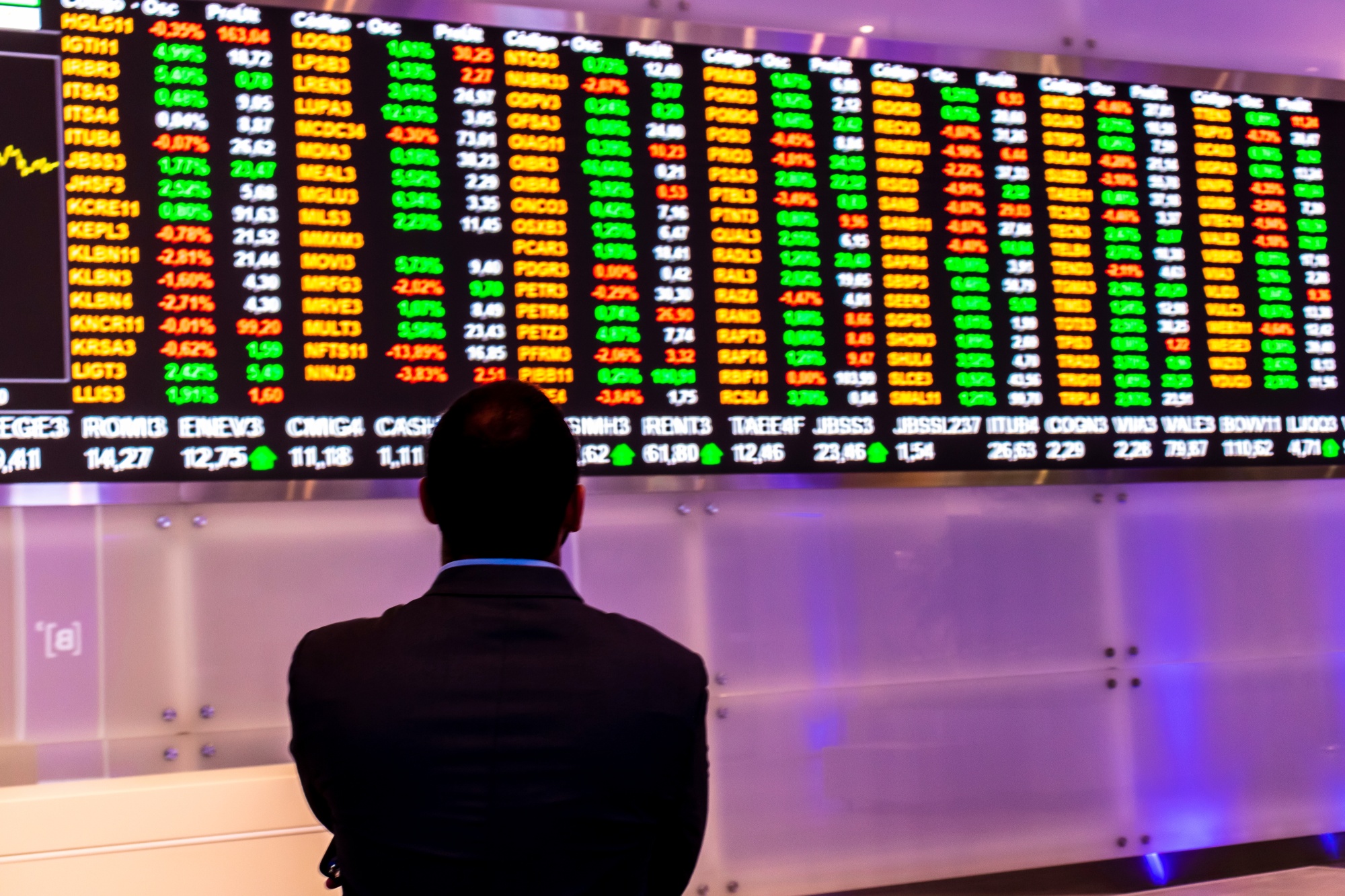
As local investors regain confidence in the stock market, global uncertainties have created an opportunity for Brazil to be a hot spot for foreign investors.
Brazil’s Bovespa index ended 2025 consolidating a trajectory marked by 32 closing record highs. With a cumulative increase of 34 per cent, Brazil’s benchmark stock market index registered its best annual performance since 2016. Growth consolidation and strong returns are the forecast themes for this year for select sectors, such as small capitalisation companies, or small caps, and those with strong Environmental, Social, and Governance (ESG) practices. Considering first-quarter data as shown in Graph 1, the index has already increased by 16.35 per cent, which solidifies the positive perspective.

The gradual recovery in confidence amongst local and foreign investors is an effect of the improving local macroeconomic expectations in Brazil, hence the optimistic forecast. Domestic equities are also benefiting greatly as investments exit US markets from global uncertainties. Global players turn to developing markets in search for better returns, and Brazil has an edge in this scenario. Can Brazil sustain the double-digit growth momentum for the rest of 2026?
Recovery mode
Latest macroeconomic data and the conduct of monetary policy have provided greater encouragement for domestic and foreign investors to buy more of the local assets. Inflation expectations have cooled and price increases for manufactured goods and food have decelerated from 2025 peak levels, slowing down to 3.8 per cent in February. This is the slowest pace since April 2024, allowing the Central Bank of Brazil (BCB) to cut the Selic rate to 14.75 per cent in March, its first interest rate reduction in two years. Economists have initially scaled back inflation projections for the year, although still higher than the 3 per cent target, as price movements have notably slowed. Lower interest rates generally favour Brazilian assets; however, the momentum of BCB rate cuts may be disrupted given the oil price shock caused by the US-Iran conflict. Brazil is a net oil exporter, meaning higher prices will translate into higher revenues, but the country cannot fully escape the inflationary impact of global supply interruptions. This explains the government’s decision to remove import duties on diesel to soften the blow. End-March BCB projections put full-year inflation at 4.3 per cent, brushing close to the ceiling of the central bank’s target range.
Additionally, the latest GDP data has shown signs of stabilization after 17 quarters of consecutive expansion despite elevated interest rates. There is also an expectation that the next two to three quarters will be experiencing more moderate growth ahead, with the economy seen growing by 1.8 per cent in 2026 and 2027 after a 2.3 per cent expansion last year. It seems that the effects of the BCB’s prolonged tight monetary policy stance are already cascading into the real economy, with high borrowing costs creating the twin effects of slowing inflation and domestic activity.
Looking past uncertainty
The Brazilian stock market has been a good shelter for foreign investors looking for a safe place from the storm of uncertainty mainly caused by US President Donald Trump’s actions, which have been sending waves of volatility in global markets. Data from B3, Brazil’s stocks trading platform, show that foreign investor participation grew from an average of 58.3 per cent in 2025 to 60.2 per cent in January 2026. This picked up to 62 per cent by February. Graph 2 also illustrates that the balance of financial transactions from global investors has reversed from a BRL 1.6 billion (USD 305 million) deficit in December 2025 to a positive BRL 12 billion (USD 2.3 billion) in March 2026. Net foreign equity investments totalled BRL 53.7 billion (USD 10.4 billion) in the first quarter, already double net inflows for the entire 2024 and capturing immense global appetite towards Brazilian equities.

One of the main drivers behind the massive influx of foreign capital into Brazil are the recent moves by the US Federal Reserve. The US central bank cut interest rates three times in 2025, plus earlier expectations of further reductions this year. Lower interest rates in the US reduce the yield on Treasuries and corporate bonds, leading investors to seek more profitable investments elsewhere –particularly in emerging markets like Brazil. Worsening US public finances during Trump’s second term have also dampened investor appetite towards American assets. Trump’s constant attempts to interfere with the US Fed’s rate decisions, his highly unpredictable tariff regime, as well as the US’ latest attacks on Iran are escalating market volatility and triggering capital flight. It is no wonder that Brazil stands out as an alternative investment destination, with net capital inflows lifting the country’s stock market and supporting the Brazilian currency.
Typically, foreign funds entering Brazil are first absorbed by large banks and commodity companies, mainly oil and steel, as foreign capital gravitates towards industries that can absorb large investments. Also, highly liquid stocks benefit from new inflows first, well before small caps and ESG-focused companies receive a lift. This typical flow of investments, though incongruent, provides a general boost to stock valuations and increases access to capital for Brazilian firms while also offering good returns to investors.
More risk-averse investors can realise gains through Certificates of Deposit that offer fixed rates of up to 14.3 per cent per year for 12-month maturities, while inflation-linked bonds provide yields at IPCA+9.5 per cent. More risk-seeking players can take advantage of the weak US dollar, the Fed’s cycle of interest rate cuts, and the entry of new capital into the Brazilian stock market. Given the expectation of more foreign capital entering Brazil in the weeks ahead, small caps or ESG companies are good options to invest in for their high growth potential.