
When neglect triggers unrest: ASEAN’s uprising
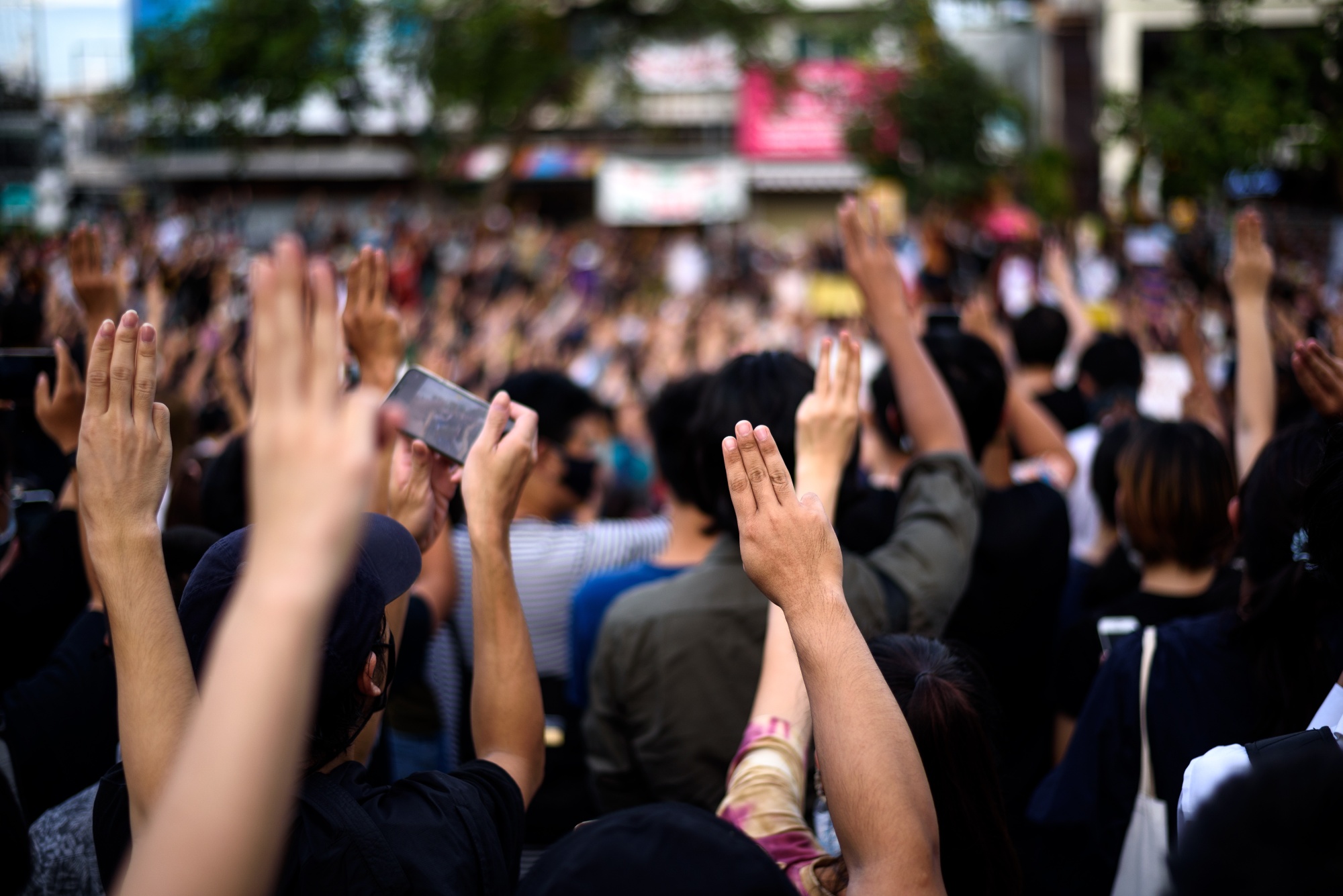
Protests have spread like wildfire across economies in Asia as civil unrest over bad governance, corruption, and high cost of living is escalating.
The year 2025 has seen rising public dissatisfaction across both developed and emerging economies. Faced with rapidly rising consumer prices and whiffs of corruption, citizens have taken their anger to the streets for change – a demand to be treated better by their governments.
In the past six months alone, millions within the Southeast Asian region marched in the streets clamouring for government reform to end corruption, improve social benefits, and cut lavish lifestyles of public officials and their families. This youth-led phenomenon has erupted across Asia and beyond, a reminder of who the real boss is between a government and its people. The triggers were seemingly superficial – luxury bags, sprawling homes, and foreign vacations on private jets – but citizens were quick to notice great disparity between how they and the political elite live despite sharing the same homeland.
The impression that their affluence is being financed by taxpayers’ money amid tough times set off this wave of unrest, and it will take decisive positive reforms to restore calm and confidence. Such distrust is costly.
High living costs
Low and middle-income consumers remain particularly squeezed this year as prices of basic goods keep rising at a robust pace, fanned by a global tariff war waged by the US that pushed both producer and retail costs higher. Graph 1 shows how inflation has remained elevated for some economies in the region, although at a slower pace compared to 2024.

Indonesia, where mounting dissent over INR 50 million (USD 563,000) in additional housing allowance and perks for parliament members triggered street rallies, saw inflation picking up steadily since June. Protests in Malaysia and the Philippines were largely rooted in their long collective history of corruption in public office. The Malaysian government faced backlash for rushing a bill ironically meant to instil more safeguards against corruption in the aftermath of the 1MDB controversy. Similarly in Manila, thousands took their cries to the streets seeking accountability over substandard flood control projects that left ordinary Filipinos inundated in floods.
It is not surprising to see intensifying turmoil in these parts of Southeast Asia. Compared to the rest of the region, these three countries represent the highest levels of income inequality among citizens. Based on latest available World Bank data, the Gini coefficient – a scale from 0 to 100 that reflects greater inequality with a higher reading – shows Malaysia at 40.7, the Philippines at 39.3, and Indonesia at 34.9. Wide income disparity within a population is often indicative of some fragility in peace and order, making long-term economic development more challenging to achieve. The same is true in the US, where the income gap remains wide at 41.8 despite being the world’s biggest economy.
The clamour for good governance is something public leaders must heed, as this captures people’s dissatisfaction towards day-to-day life. A fragile democracy leaves economic activity extremely nervous, creating an undesirable environment where both households and businesses are held back from prospering.
Fiscal house in order
Public discontent against bad governance, often targeted at misplaced public spending, is well-founded. Not only does it rob much-needed financial resources from key social services and growth-inducing sectors, but it also adds to the debt every citizen pays for by way of taxes. On top of welfare constraints, it builds a heavier burden society must bear.
Many mature and emerging economies have struggled to reel in public debt levels after taking on emergency spending during the COVID-19 pandemic, and this weighs down investor sentiment towards markets which have been unable to respond quickly. This is particularly true in Malaysia, whose debt burden has reached 70 per cent of GDP in 2024, as well as for Indonesia and the Philippines, both with a debt-to-GDP ratio of 57 per cent, as seen in Graph 2.

More prudent spending is necessary for all governments, more so for developing economies with limited resources facing seemingly unlimited funding priorities. Decisive reforms that make the domestic regulatory environment friendlier to foreign investments, which include easing foreign ownership restrictions and reducing licensing requirements, would encourage more dollar inflows. However, the persistence of corruption and improper budget allocations will cast a shadow of doubt in the eyes of global capitalists who could so easily decide to take their business elsewhere if only to avoid exposure to such headaches.
Emerging markets in Southeast Asia remain an attractive investment destination for us at Lundgreen’s, given their high growth fuelled by robust domestic consumption. That these economies could still grow by an average of 5-6 per cent annually despite government spending leakages illustrates our long-held view that there is even greater room for this region to expand rapidly. There is potential to unlock an even faster pace of GDP growth – that is, if (or hopefully, when) corruption woes are rectified and thwarted for good. Asset valuations will most certainly rise as governments are able to provide more stability and confidence about public finances, and this would spill over to even better returns in the long run.