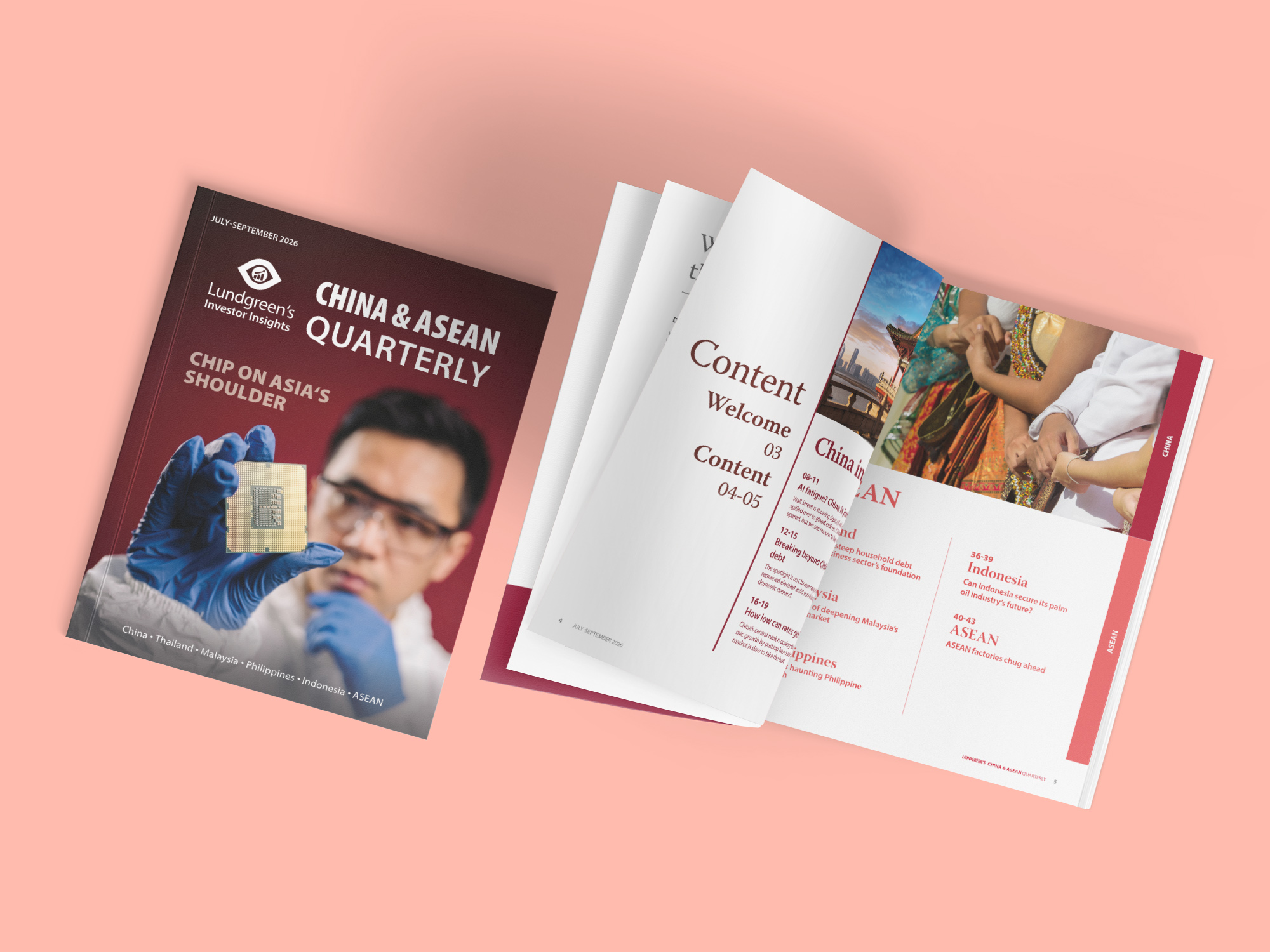

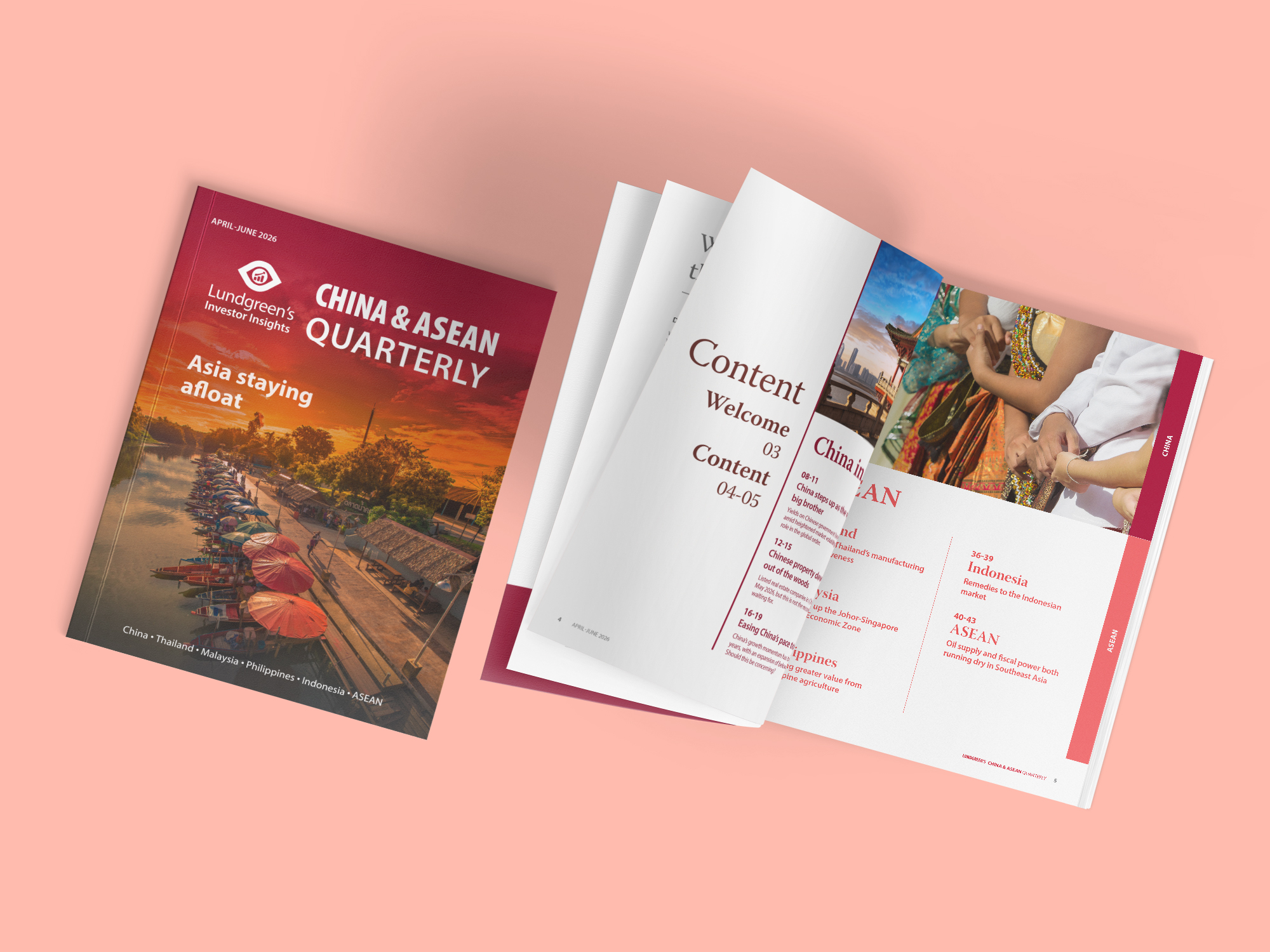
China and ASEAN Quarterly Q2 2026
Dear reader,
We are happy to share with you our latest China and ASEAN Quarterly magazine that captures how economies in the region are wading through high oil prices.
Financial markets have been abruptly reshaped by the US-Iran conflict within a three-month span. We now see fuel costs staying elevated in the near term despite indications of a peace deal, and this has pushed Asian households and governments to adopt more belt-tightening measures to get by – after all, the region relies heavily on the Middle East for its oil needs. Still, we see developing Asia is in better footing to weather this storm compared to old economies, with some countries exhibiting greater resilience than others.
This issue evaluates the many ways Southeast Asian governments have responded to the oil supply shock, mainly through a mix of energy conservation and demand reduction strategies as well as direct pump price subsidies – policies that eat into state revenues and suppress economic activity. What we find encouraging, however, are attempts to diversify growth sources: Malaysia’s shared economic zone with Singapore, the Philippines’ attempt towards an agricultural renaissance, and Indonesia’s reform policies for the local stock market. The same can be said for China, which has been leveraging its position of oil supply abundance to wield its geopolitical and economic might among trade partners.
Some slowdown in GDP growth and elevated inflation are inevitable in the next few months, but Southeast Asia and China are well-positioned to stay afloat through these rough waters. We maintain that this region will continue to lead global expansion through diverse growth engines and expect oil prices to fall in the next couple of months should the peace agreement materialise.
As you read the magazine, we hope it buoys you through the rising tides of oil prices and seeming uncertainties with the insight it provides, and we invite any feedback that you may have.
All the best,
Melissa Luz Lopez
Chief Economist for Southeast Asia and China