

Higher borrowing costs threaten the UK’s 2026 budget
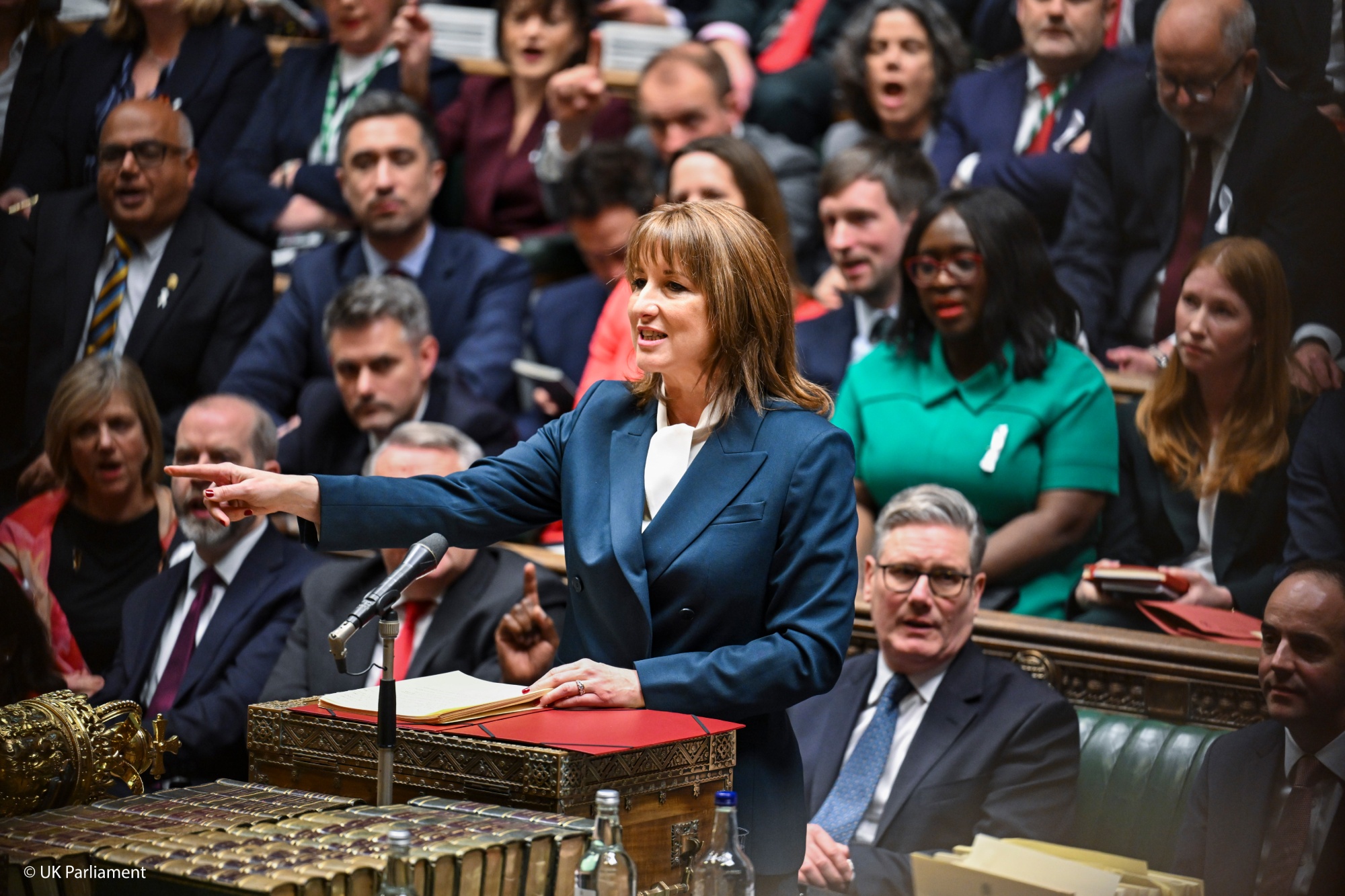
The UK’s fiscal deficit shows no sign of narrowing as government expenses continue to outpace tax revenues.
September 2025 recorded the highest yield on the UK’s 30-year bonds since 1998. The bonds, also called gilts, were priced at 5.72 per cent, making it more expensive for the British government to borrow money to fund its almost perpetual budget deficit. Additionally, the Office for National Statistics (ONS) recently announced that public borrowing reached GBP 20.24 billion (USD 27 billion) in the same month, the highest amount borrowed since September 2020. Record-high gilt rates do not bode well for Chancellor of the Exchequer Rachel Reeves, especially as the budget deliberations for the coming fiscal year (FY) 2026-2027 inches closer.
Deficit still on the rise
High gilt rates are concerning for the British government as it has been operating in deficit for almost a quarter century now. The last time that the UK reported a budget surplus was in FY 2000-2001 worth GBP 13.2 billion (USD 17.6 billion). Since then, the expenditure of the UK’s welfare state has been higher than what His Majesty’s Revenue and Customs could collect in taxes and duties – and public spending has shown no signs of slowing down.
Graph 1 shows the total expenditure, revenues, and the corresponding fiscal deficit of the UK government in the last 10 fiscal years. Prior to the COVID-19 pandemic in 2020, the deficit has stayed at controlled levels with a low of GBP 33.2 billion (USD 44 billion) recorded in FY 2018-2019. It ballooned tenfold to GBP 321.3 billion (USD 429 billion) in 2020 and has since come down; however, it was not able to return to pre-pandemic levels. In the last FY, the budget shortfall reached GBP 152.76 billion (USD 204 billion) resulting from a GBP 1.24 trillion (USD 1.7 trillion) spend against revenues of GBP 1.09 trillion (USD 1.5 trillion). Experts have attributed the rising deficit figures to poor tax performance, rather than a product of less-than-stellar economic activity.

These annual deficits are primarily funded by debt through the issuance of gilts – something always coldly received by global investors and credit raters. Further to the ONS’ latest bulletin, total borrowing for the first half of the current FY has already reached GBP 99.8 billion (USD 133 billion), again the highest recorded amount during comparable periods since 1993. Finally, the rising gilt yields imply that demand for UK government-issued bonds are slumping, meaning that the public is less inclined to finance the deficit. This loosely reflects waning investor optimism towards the British government.
Highly leveraged UK a concern
Governments operating in a deficit and consequently resorting to additional borrowing to plug that deficit is not a new phenomenon: it has become the norm rather than the exception. It is clearly not unique to the UK. Based on 2024 data for OECD countries, including the whole EU, only six out of the 33 members with available data run budget surpluses. As shown in Graph 2, Norway posted the highest fiscal surplus at 13.1 per cent of its GDP, much of it owing to petroleum revenues. The UK reports the third highest net borrowing at 5.89 per cent of GDP, trailing the US and Poland at 8.03 per cent and 6.48 per cent, respectively. Even amongst G7 countries, the UK recorded the second highest net borrowing after Japan at -1.53 per cent of GDP. Despite this, the International Monetary Fund projects that the UK will manage to reduce its net borrowing to 2.24 per cent of its GDP by 2030.

This one-two punch of high gilt yields and rising deficits should be concerning for the Labour Party as it implies that the only way to manage the fiscal hole is to either cut government spending or impose new or higher taxes. Cutting government spending is always unpopular, as we saw with Labour’s experience on its recent Welfare Bill.
At this point, imposing new taxes is becoming more likely to be the only way out. Reeves has been hinting at raising taxes to support the upcoming budget, effectively confirming public fears of additional duties. The Office for Budget Responsibility dealt another critical blow ahead of the budget as it downgraded its initial forecast for UK productivity, handing Reeves a larger fiscal hole than expected.
The ruling Labour Party should take concrete steps to manage its expenditures and revenues despite a declining cost of borrowing via 10-year bonds. There is also the danger that the UK might get caught in a debt spiral, wherein borrowing funds the deficit but both expenditures and revenues are not properly managed. This can lead to a seemingly endless cycle of borrow-spend-impose new tax, which hurts not just British homes and businesses but also the UK government’s ability to address future shocks. Unless the government can provide a plan to manage public finances more sustainably, Reeves may not be able to avoid going into a borrowing spree to stem a continuously deepening fiscal hole.
We recommend keeping a conservative outlook towards investments in the UK and underweight positions in the British market. The UK is still one of the more mature economies globally, but these structural issues hampers its economy from overcoming the shadow of its former glory.
This original article has been produced in-house for Lundgreen’s Investor Insights by on-the-ground contributors of the region. The insight provided is informed with accurate data from reliable sources and has gone through various processes to ensure that the information upholds the integrity and values of the Lundgreen’s brand.