
Rate cuts alone will not save Philippine GDP growth
The Philippine central bank slashed interest rates from 6.5 per cent to 4.25 per cent over the past two years to spur economic activity, but it cannot do the heavy lifting by itself.
For years, the Philippine government has been setting an annual GDP growth target range of 7-8 per cent. This pace is hard to achieve for developed nations, but not shocking for emerging economies in Southeast Asia. However, hitting this target has remained largely aspirational and elusive as economic managers have had to pull back to a more attainable range every midyear as real-time data trickle in. For example: in 2025, the official projection has been tempered to 5.5-6.5 per cent, which still sounded ambitious given the spending slowdown seen in the second half of the year. It resulted in a hard miss, with full-year growth settling at 4.4 per cent.
Rapid-fire growth is the goal of any economy, especially for one that seeks to uplift its citizens out of poverty as soon as possible. Fiscal and monetary policies steer the trajectory of domestic activity, although one can see that the central bank has been doing more of the heavy lifting in recent months. The Bangko Sentral ng Pilipinas (BSP) delivered a cumulative 225 basis points worth of rate cuts between July 2024 and February 2026 to encourage greater investments and consumption – an opportune time with inflation settling back to the 2 per cent target.
Access to credit
Despite local and global headwinds, the central bank has done a fantastic job in carrying the heavy load of providing consistent support to the domestic economy. The BSP was quick in triggering a rate cut when it saw the first hint of declining inflation in August 2024, which came ahead of the US Federal Reserve’s easing cycle. After a series of growth-inducing rate cuts, there is now limited room for monetary policy to single-handedly stimulate Philippine GDP expansion.
Bank lending growth typically races ahead when interest rates are lower, but as shown in Graph 1, early signs of a slowdown have emerged despite access to cheap loans.

The deceleration in credit growth has manifested in a slower GDP expansion – after all, lending activity usually funds additional household purchases as well as business growth plans. However, economic growth has dulled to 3 per cent in October-December 2025, the softest pace since 2021. Gross capital formation shrank by 11 per cent, indicating a sharp downturn in infrastructure investments and construction activities as the corruption scandal involving government flood control projects had been exposed.
The unravelling of the controversy put contracts on hold as state-funded projects bid out to private contractors fell under intense scrutiny. This fallout will continue the longer it takes to hold erring individuals accountable: individual and corporate investors would postpone big investments until they see decisive reforms and safeguards in place to prevent a repeat of the illicit scheme. In turn, the Philippine government will have a hard time raising additional revenues as people doubt whether the taxes they pay are being spent properly. The imposition of new taxes remains out of the question unless the incumbent administration is extremely cash-strapped, and resorting to such would erase any remaining political capital it holds.
Going back to the lending data, the tempered growth reflects borrowers hitting the brakes on investment activity. Unfortunately, this is a problem that falls outside the scope of monetary policy. The central bank has already done its part to considerably reduce borrowing costs, but the larger task of addressing the reputational damage caused by opaque governance is way outside its ambit.
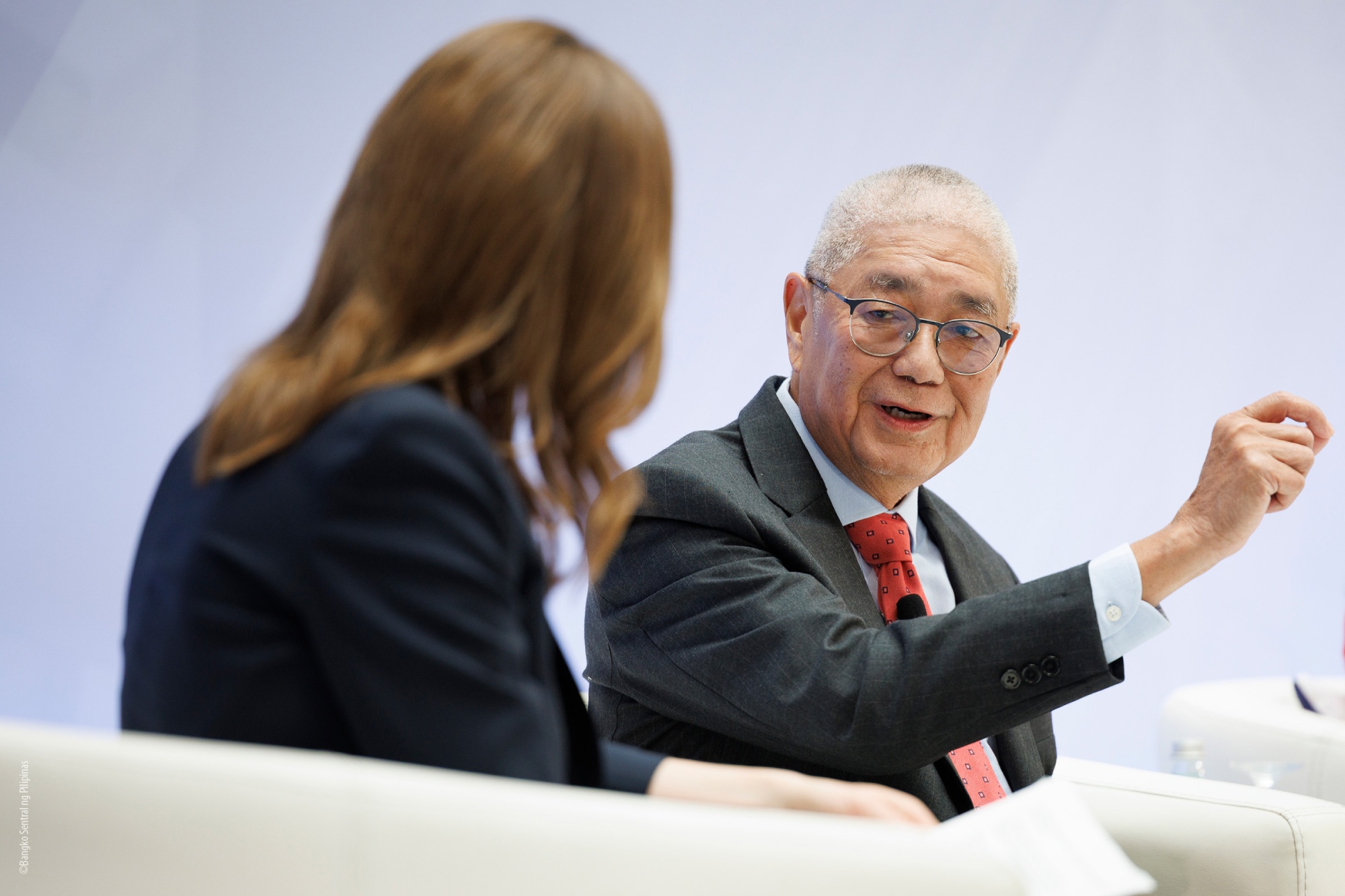
BSP Governor Eli Remolona, Jr. has said that the February rate cut sought to win back market confidence as he admitted that the economic drag from corruption woes and the corresponding fallout on investment activity will likely be drawn out. A sustained uptick in the inflation rate will deter additional interest rate reductions from the BSP.
Reviving confidence
Both business and consumer confidence have tanked as well through 2025. As seen in Graph 2, the 12-month outlook has been trending lower since the first quarter, indicating declining optimism regarding economic prospects. This is also likely indicative of the growth momentum for the succeeding quarters: declining household and investor sentiment is most often followed by slower economic activity, which is worrisome considering that consumer optimism has been the lowest in a year.

While it is also the BSP that administers these confidence surveys every quarter, addressing these reputational hurdles cannot be done through monetary tools but by substantive governance reforms. In the Philippines’ case, it requires immediate and pointed action. Infrastructure gaps, corruption concerns, and a high cost of doing business in the country hinder the influx of substantial investments, and these are best addressed by improved efficiency in public spending and streamlined government services.
Keeping borrowing costs low goes a long way but it is not the magic bullet that will lift animal spirits in the Philippines. For 2026, we expect the BSP to slow down with rate cuts in favour of a long pause. The spotlight will be on government officials to cut red tape, improve checks and balances, and get the country’s fiscal house in order to support overall economic growth. These are necessary conditions to perk up growth closer to target from hereon.