
Unearthing the potential of Malaysia’s minerals
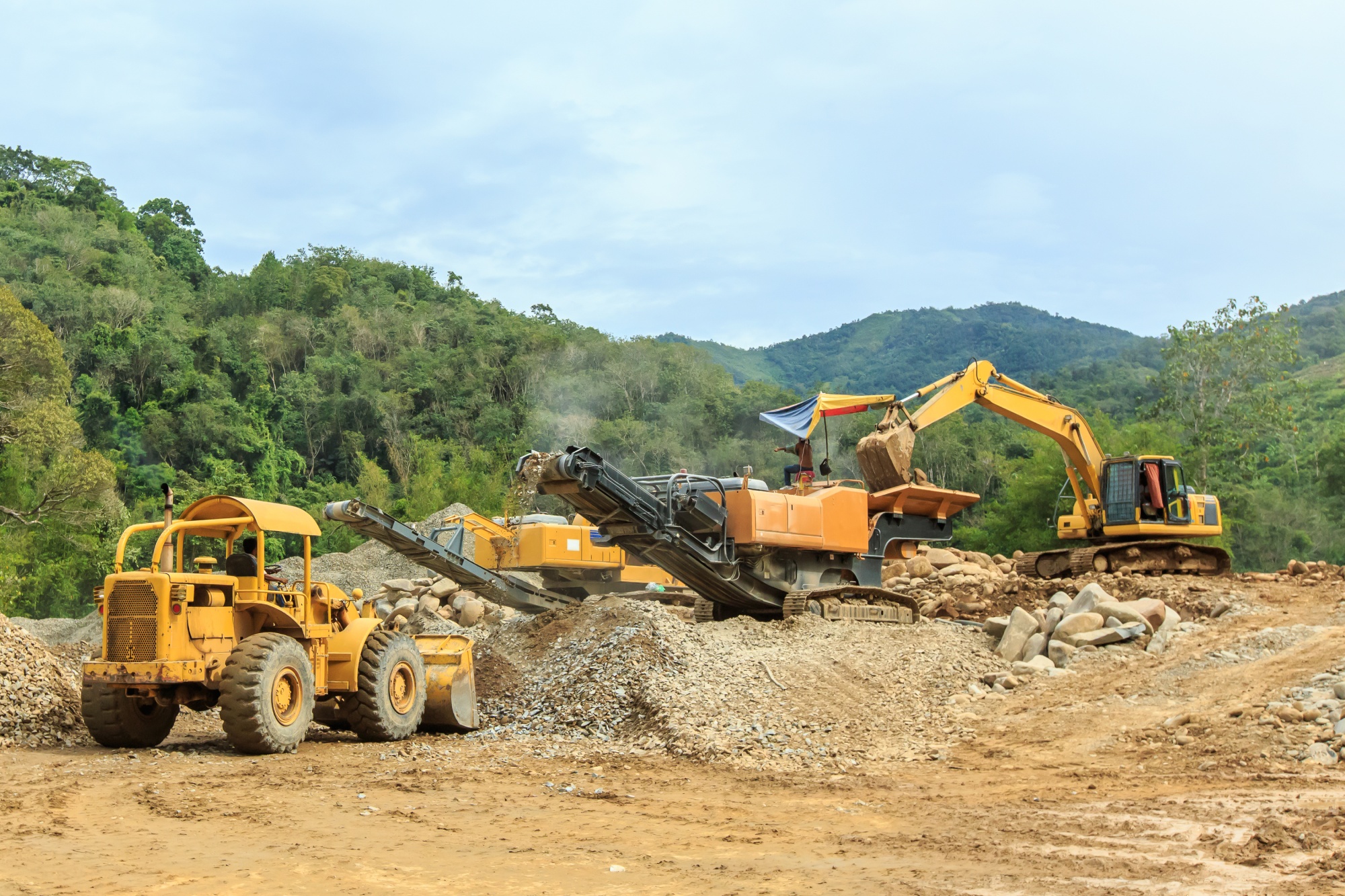
Malaysia is looking to be a bigger supplier of rare earth minerals globally as it presents itself as an alternative to China. The challenge is to sustain the momentum.
There has been a growing effort for countries to reduce their reliance on China for rare earth minerals – a key component in gadgets, electric vehicles, and even defence systems – amid geopolitical and trade tensions. Malaysia is positioning itself as an alternative source, with the nation allocating MYR 10 million (USD 2.56 million) to map out the location of these rare earth resources which are estimated to be worth MYR 1 trillion (USD 260 million).
Explorers have so far identified almost 275,000 tonnes of rare earth elements (REE) across nine states as of early 2026. With the National Malaysia Industry Plan 2030 in place, the goal is to tap 18.2 million tonnes of these non-radioactive rare earth reserves over the next five years, which is seen to attract MYR 100 billion (USD 25 billion) in new investments and create over 4,000 jobs. In the meantime, Malaysia should be more strategic in producing REEs if the country wants to stay competitive in the global minerals market – which China dominates at nearly 70 per cent of global production.
Reality of rare earths
France’s Interministerial Delegate for Strategic Minerals and Metals Supplies, Benjamin Gallezot, believes that Malaysia’s REE production may be the country’s most important asset. With the potential to be a global market leader, rare earths production and processing could be Kuala Lumpur’s golden opportunity for substantial foreign capital to come flow in.
Last year, Malaysia banned the export of raw REEs until 2027 to push the development of domestic processing. This may prove to be difficult for foreign investors looking to participate in this space. Rather than pool resources towards exporting raw materials, government-linked companies are encouraged to enter into joint ventures engaged in high-value economic activities within the rare earths value chain, such as mineral extraction and processing. Handling rare earths is said to be trickier than traditional mining processes, so this is high value-adding. As Malaysia’s REE industry is still in its infancy, it will need to cultivate domestic technology and expertise to fully scale up mining operations and output volumes.
Graph 1 shows that Malaysia’s mining industry had a strong investment momentum in 2022, accumulating around MYR 24 billion (USD 6.15 billion) in total investments. However, the succeeding three years saw total mining investments drop sharply. As such, the shift away from mere REE extraction towards more midstream and downstream activities – in particular, the processing of ores and manufacturing into functional electronics components – is a smart move towards generating more economic opportunities for both domestic and foreign firms.

Malaysia’s proficiency in the midstream segment of the REE value chain, coupled with established manufacturing players, presents opportunities in the downstream industry particularly in the production of high-value goods. Thus, the potential for Malaysia’s economic advancement through the rare earths value chain and international trade is significant.
Lessons from Lynas
One rare earth mining firm of note is Lynas Rare Earths, a subsidiary of an Australian minerals company. Operating in Pahang since 2012, Lynas has been the lone commercial producer of premium, separated REE minerals outside China, with its products being sold to manufacturing firms across Asia, Europe, and the US. The company plans to further invest MYR 500 million (USD 128.11 million) to establish another facility in Malaysia to increase its capacity for rare earths separation and conversion.
Lynas saw a significant jump in stock valuations over the past two years as it secured an extended licence to process REEs in Malaysia until 2026. Share prices jumped by 223 per cent between January 2024 and February 2026, and this surge has been sustained in early March after the Malaysian government further extended Lynas’ operating permit to 2036. The company’s success in Malaysia demonstrates how the Southeast Asian nation remains attractive to global attention even amid global tensions. Lynas is taking this further as it collaborates with South Korean firm JS Link to build a magnet manufacturing facility in Pahang valued at MYR 600 million (USD 153.7 million), which aims to produce 3,000 tonnes of high-performance magnets.
Although Lynas has been dominating Malaysia’s REE mineral extraction, foreign investors can still find opportunities in the region. While the company has made its mark in Pahang, there lies great potential to mine rare earths in other states. This is also an opportunity for foreign firms to develop their own technologies for mining and extracting REEs as Malaysia has yet to build its own technological know-how.
Malaysia is among the fastest-growing economies in ASEAN, with annual GDP growth picking up pace over the last three years. There is room to see even faster economic expansion as domestic rare earths processing activities accelerate. The sector has contributed only 0.8 per cent to national output so far, though year-on-year growth has been robust. The policy push to cultivate this sector will most likely translate to faster REE output growth and lift national GDP even higher.

Extracting opportunities
While China still dominates in electronics production given its abundant rare earths deposits, Malaysia can capitalise on countries looking to reduce their reliance on China-made inputs and goods. REEs are key inputs for electric cars, and the country plans to leverage this to increase domestic electric vehicle production by 15 per cent by 2030. This opens another avenue for investment, trade, and profit for investors.
To truly compete with China, the next frontier which Malaysia must conquer is scale. To unlock this new growth engine, Malaysia must set clear policies, encourage innovation, and implement sustainable practices for mining and extracting rare earths. This way, the country can capture foreign investors and propel growth further.