
Indonesia stock market collapse and the need for market reforms
MSCI’s recent announcement of a possible downgrade for Indonesia has triggered capital flight as investors grew instantly nervous. The government has so far acknowledged the warning with reform proposals, but whether it works or not is the question they must face.
In January 2026, MSCI Inc. released a statement on Indonesia in line for a possible downgrade, flagging fundamental issues hounding the investability of local stocks. As one of the biggest asset research and benchmark index providers in the world, it was no surprise that the announcement has sparked panic and resulted in a sharp contraction in the Indonesian stock market. By the end of the month, a total of USD 80 billion in market value had been wiped out in just two trading sessions after share valuations dropped by more than 8 per cent in successive episodes. Early February 2026 also saw Moody’s lowering the credit rating outlook for Indonesia to negative, suggesting that a downgrade is in the horizon if governance concerns are left unaddressed.
The MSCI’s warning stems from Indonesia’s reputation for “stock frying”, a problematic concept wherein select market players inflate a stock’s value equivalent to price manipulation. This has driven Indonesian equities into high-risk and bearish territory. While it seems that the MSCI may have opened a can of worms for the Indonesian stock market, this should push the country to assess the integrity of its capital market framework critically if it wants to keep foreign capital flowing in.
Restoring confidence
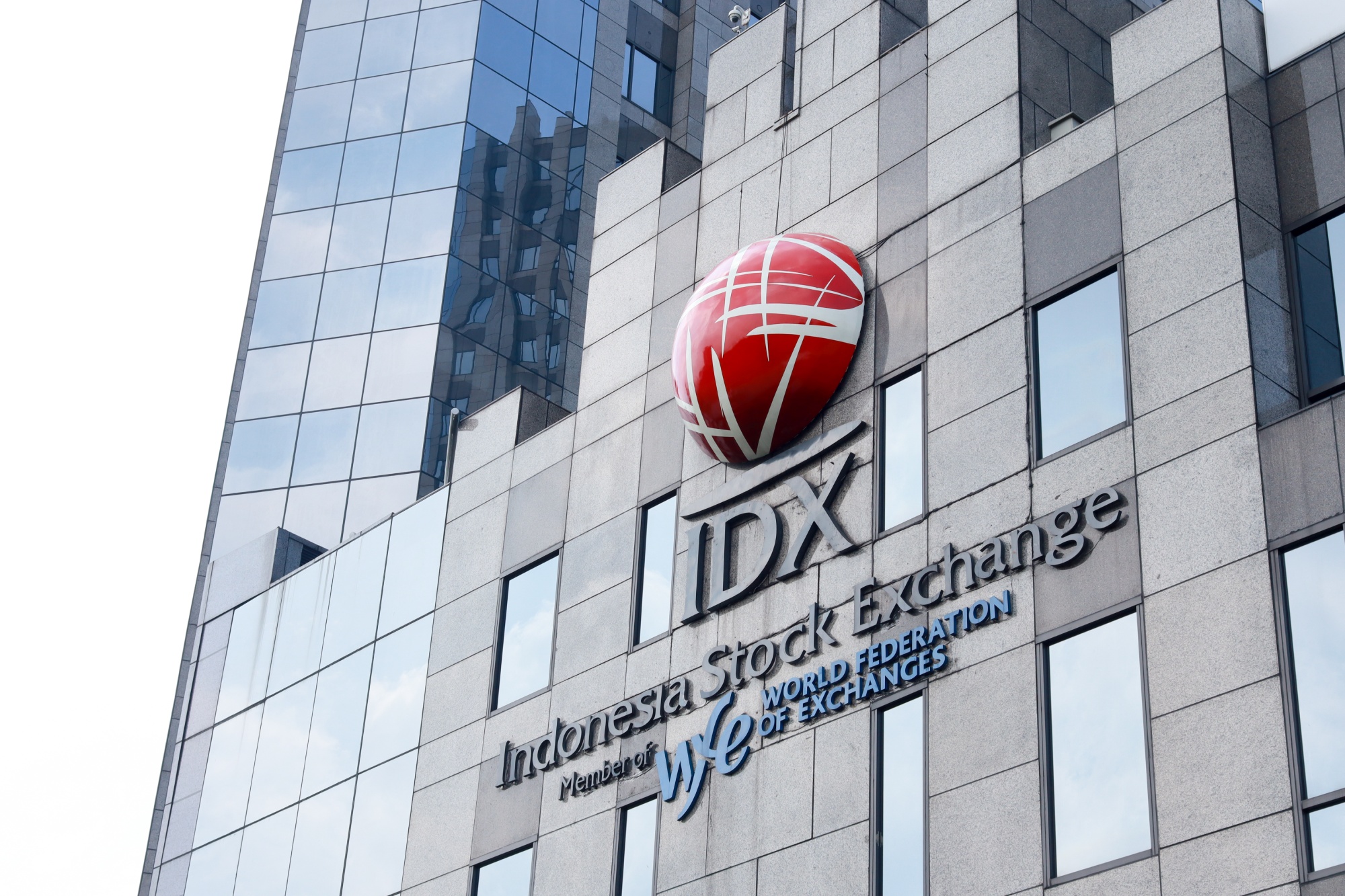
Due to the significant loss of market value following the MSCI evaluation, the Indonesian Stock Exchange (IDX) proposed to implement stricter regulations on initial public offerings to regain market confidence. In particular, IDX aims to raise the minimum free float requirement from 7.5 per cent to 15 per cent for listed companies. For comparison, the minimum free float for Malaysia and the Philippines are at 15 per cent, Thailand at 20 per cent, and Singapore at 10 per cent. With the adjustment, Indonesia shows it will stand on equal footing with quality stock markets across the region.
Beyond the minimum public float level, at the heart of MSCI’s stern warning is the lack of ownership transparency in Indonesia stock trades. Finance Minister Purbaya Yudhi Sadewa sees a silver lining from this development: a potential to dig out the unethical practice overlooked by the previous government to prevent further capital flight and lift markets higher. This is a brutal reminder for the Indonesian stock market: transparency holds significant value for global investors.
The IDX Composite Index recorded a bullish 21.63 per cent ascent last year. January 2026 saw an increase in stock trading volumes but saw the index slide by 3.67 per cent, as seen in Graph 1. Market capitalisation also declined from IDR 15.8 trillion (USD 942 million) in December 2025 to IDR 15.05 trillion (USD 897 million) by January.

It comes as no surprise that there are growing worries on whether Indonesia’s stock market can rebound quickly or not. We argue that there is always that chance, but only if IDX can actually implement reforms on the categorisation of investors within the Single Investors Identification framework – mainly to dissolve market concentration and ensure that all retail investors have equal trading access – and in improving the accuracy of ownership data. If they succeed, market sentiment would improve and capital outflows can be recouped.
Divergent views
There is a huge gap in market capitalisation between the MSCI and IDX indices, with the distinction largely due to size and composition. When talking about sectors, financial firms are more prominent in the MSCI index while the IDX is dominated by companies producing consumer cyclicals or non-essential goods and services. What is important to remember here is that the IDX listing tracks broad domestic economic health while the MSCI assesses Indonesian businesses from a global perspective.
Going back to MSCI, Graph 2 shows that MSCI Indonesia suffered a sharp drop in 2024 as it slipped by 13 per cent, followed by a softer 2.75 per cent decline in 2025. However, comparing it to MSCI indices for emerging markets and the world benchmark, Indonesia’s prolonged contraction is an outlier. Taking from the same graph, the index for emerging markets where Indonesia and its peers belong rose 33.6 per cent in 2025, faster than the all-country index growth of 22 per cent. Of course, global investors will interpret this as the country underperforming, and that might make it a no-go zone for their portfolios.

As such, we assess that the Indonesian government should reform capital market rules to allow greater diversification in ownership to regain confidence from investors. Additionally, Indonesia must expand beyond the financial services sector and strengthen other industries to attract additional foreign investments.
Reform and perform
Although the January market downturn resulted in IDX CEO Iman Rachman’s resignation, it seems to have paved the way for more serious reform talks to address the MSCI’s concerns. On 11 February, IDX and MSCI conducted what could be described as a positive discussion towards concrete capital market reform. Beyond adjusting the minimum free float requirement, mandating the disclosure of shareholders above 1 per cent is slated to be introduced in the coming months as a way to enhance market transparency.
There is hope that Indonesia’s economy will improve further from last year’s 5.11 per cent GDP growth to hit 5.6 per cent this year with the help of key sectors. If its government can transform the January market crash from a painful experience into a valuable lesson to push the economy forward, potential opportunities will be greater. Until then, much needs to be done to recapture market confidence towards Indonesian equities.