

More rate cuts for England? Too early to call
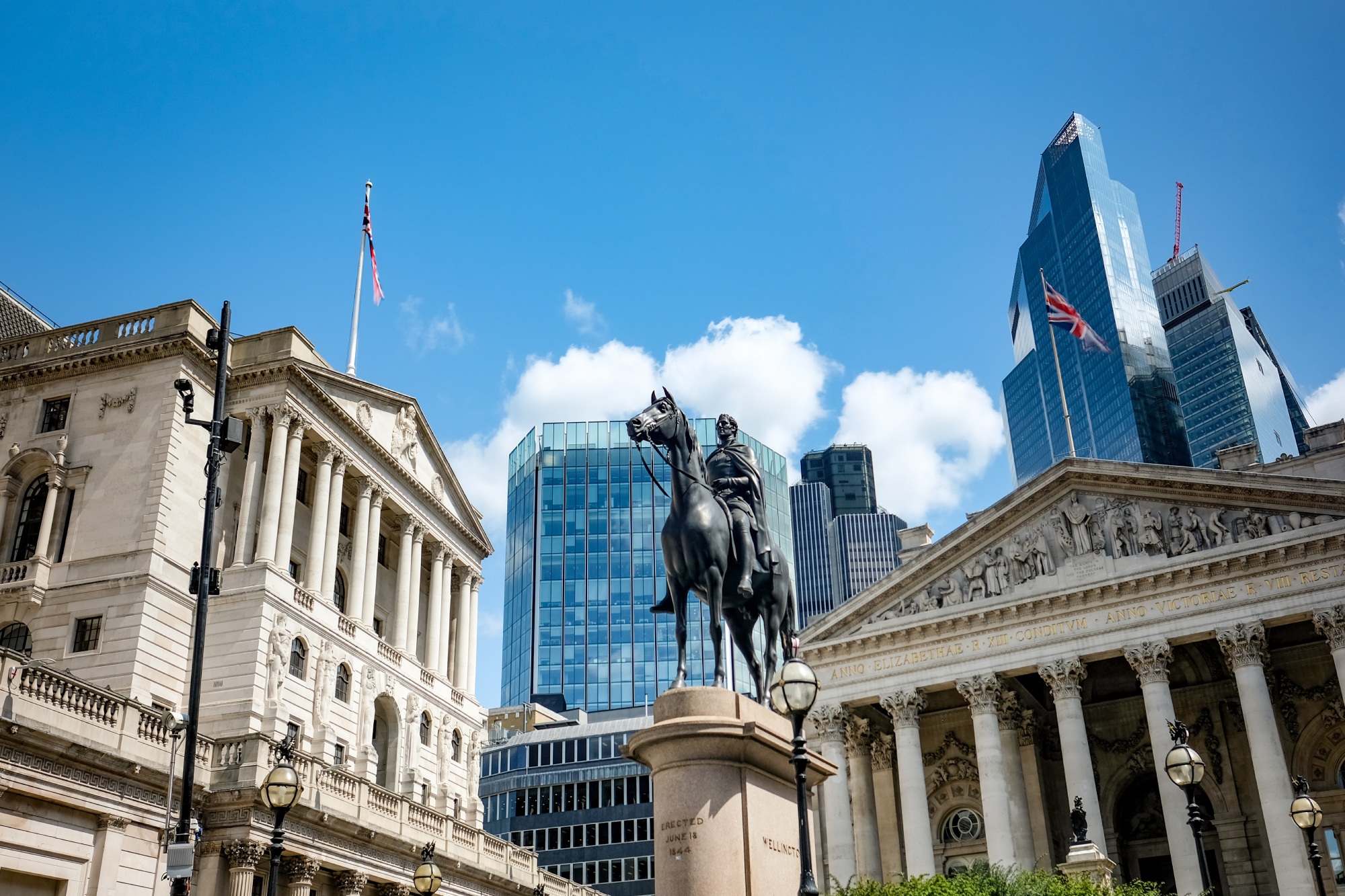
The Bank of England cut its key interest rates despite inflation steadily creeping up. Its optimism seems to be paying off, but it is too early to be relieved.
In August 2024, the Bank of England (BOE) cut its key interest rates by 25 basis points from 5.25 to 5.0 per cent, the lowest rates since June 2023. Since then, the BOE consistently cut its rate until its latest level of 3.75 per cent in December 2025. However, inflation during the same period has been holding high at 3.8 per cent between July to September this year. Nevertheless, the BOE is confident that the economy can handle more spending and transactions, thus voting to cut its key rate in succession. But did the BOE make the right call?
Interest rates as a macroeconomic lever
Setting interest rates is one of the primary responsibilities of the BOE. Banks and other financial institutions use the changes in the key rate to determine their own loan rates, and whether to increase their lending or for consumers to slow down spending and save more. All these responses are intended to control inflation in the economy, serving as the primary lever of the BOE to keep inflation within its target rate of 2 per cent.
Graph 1 shows that the BOE has been actively tweaking rates to rein inflation in since 2019. The BOE cut its rates to 0.10 per cent – a level not seen before, even lower than during the 2008 Global Financial Crisis – to manage deflationary effects of mobility and activity restrictions during the pandemic. Further, the BOE aggressively hiked the rates to 5.25 per cent to control runaway inflation in 2022, which peaked at 11.1 per cent that year, as energy prices surged due to the Russia-Ukraine conflict. The bank rate remained at 5.25 per cent since August 2023 until a year later when the BOE decided that it was time to start rolling it back down.

The balance now appears trickier: voting for the December rate cut saw BOE members caught in a 5-4 split. In its meeting readout, the central bank expects inflation risks to be less concerning but hinted at a “gradual downward path” for monetary policy. This implies that the division among BOE members could run deeper – but how deep can it go when they were already split in the middle during their latest encounter? Judging from the central bank’s behaviour in 2025, we believe slowing inflation will embolden the BOE to unleash additional rate cuts next year. Forthcoming data will shape the hand-raising for the next meeting, and until then, the markets will keep guessing and betting.
Reality versus BOE’s optimism
Inflation was at 2.2 per cent in August 2024, a stone’s throw away from the BOE’s 2 per cent target. By the following month, the economy further cooled with inflation at 1.7 per cent, the lowest level recorded since the pandemic. Seeing it as a sign of a return to normalcy, the BOE cut the key rate five more times thereafter to 3.75 per cent currently. However, inflation climbed back up in the third quarter of 2025 before slightly ticking lower towards November.
The uptick in prices is driven by increases in the cost of housing, water, electricity, gas, and other fuels, and food and non-alcoholic beverages. Despite inflation holding at a higher rate, the BOE believes that the inflation bout is temporary and will start to slow down in 2026, an indication that they are effectively betting on a future with the UK in better economic shape despite going against the traditional approach – that is, keeping rates higher for longer when inflation is off-track.
The latest data from the Office for National Statistics shows inflation slightly cooling to 3.2 per cent in November, proving to be a boon for the BOE that paved the way for another rate reduction. Further, Chancellor of the Exchequer Rachel Reeves finally presented the 2026 budget to Parliament where she proposed a GBP 26 billion (USD 34.7 billion) tax increase over the next few years. The BOE confirms that Reeves’ budget has a one-off measure that may help ease inflation. These developments indicate that the BOE may have been right on the money regarding inflation’s path.
Despite this progress, the BOE should not rest on its laurels and should instead be on its toes for ongoing issues that may batter the British economy. After all, a single data point is hardly conclusive. As illustrated in Graph 2, the Organization for Economic Cooperation and Development forecasts that the UK will have the highest annual inflation rate for 2025 among the G7 countries, and among the highest within the bloc. Further, 10-year gilt rates rose slightly as a response to the budget announcement, with investors sceptical of the new tax grabs. Finally, the UK recently recorded its highest unemployment rate of 5.1 per cent – this is another issue altogether when coupled with tax hikes in the 2026 budget.

The BOE might have made the right call in addressing the inflationary stretch from 2023 and now, the time is ripe to further stimulate the UK economy. Although far from being definitive, the latest numbers validate the BOE’s assumptions and expectations that price conditions will improve. However, it remains to be seen if these expectations of a rose-tinted future will continue to hold and enable the British economy to overtake 2024’s GDP growth of 1.1 per cent and achieve the OECD’s 2025 forecast of 1.4 per cent. We still recommend our investors to wait and hold the current positions of their investments in the UK, or consider underinvesting, if possible.