

Brazil’s economy heats up, and so do political and fiscal tensions

While global central banks hold steady, Brazil is charting its own path as it raises rates, battles inflation, and tests investor confidence.
Welfare woes hounding Britain
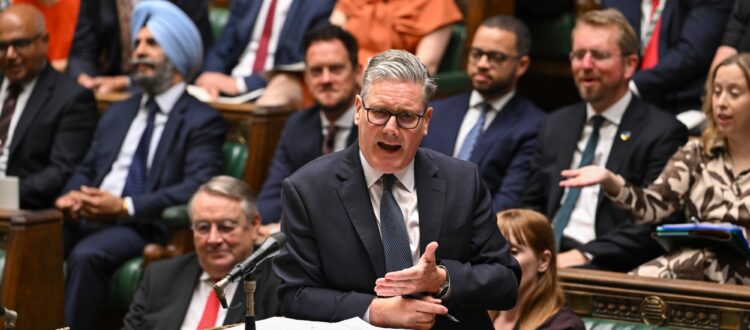
The UK is battling several fires at once, with possibilities of high domestic living costs rising amid a worsening global trade war. Can the government soften the blow by signing new trade deals?
Germany’s autumn may not be as vibrant
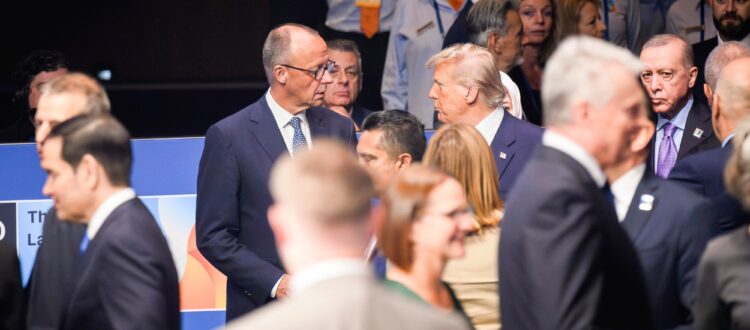
The global economy is changing rapidly, though the German export-dependent economy is lost behind – only huge reforms can solve the problems.
Tourism in Europe is high this year, but that’s about it

Southern Eurozone member-states will benefit in the short term from ever-growing mass tourism, but it is hard to say that anything has fundamentally improved during the last year.
China changes gears to Latin America

China is working quickly on opening wider trade routes with Latin America, a tactical move to broaden its export markets in the face of highly volatile trade with the US.
India emerges a quiet winner

India’s growth blazes ahead of its peers, with the local manufacturing sector unshaken by global trade disruptions.
Reshaping Japan’s approach towards defence

As regional threats intensify, Japan is rewriting its postwar defence stance – signalling a strategic turn in Asia’s security landscape.
Global Quarterly Q3 2025

We are committed to keeping a close eye on market-moving developments, and our latest Global Quarterly magazine delivers on this promise.
Sound Economies with Mel & Peter: 12 September 2025

This episode, we dive into the strong rally of China stocks, review the French government’s collapse, and explain our expectations for a jumbo rate cut from the US Fed. We also discuss megatrends concerning Europe and Asia as well as... Read More →
Next Week in China: 15-19 September 2025

Continuing this week’s momentum, next week will also be full of major economic data releases for Mainland China.