China and ASEAN Quarterly Q1 2025
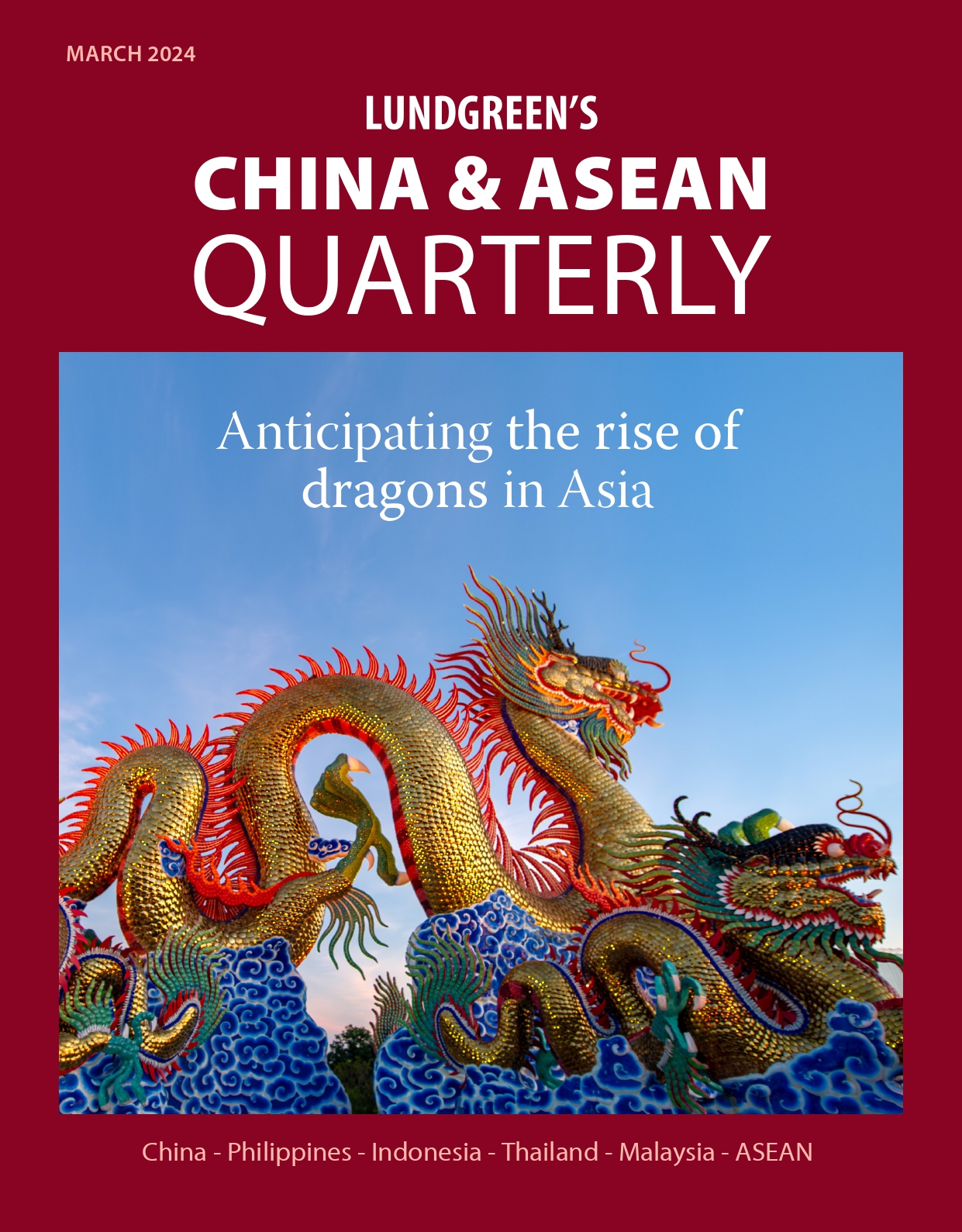
We ring in the Lunar New Year with the release of our latest China & ASEAN Quarterly magazine.


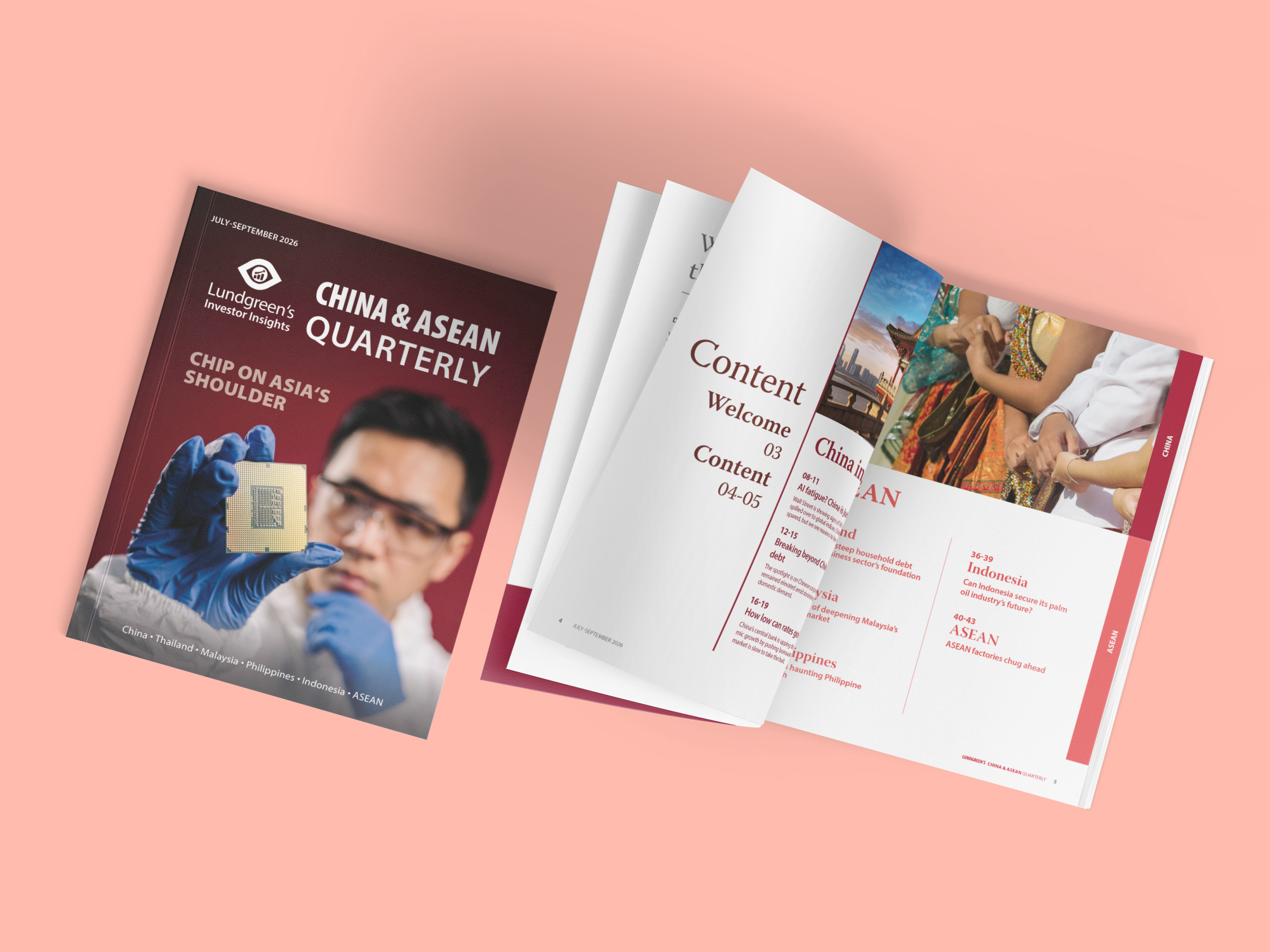
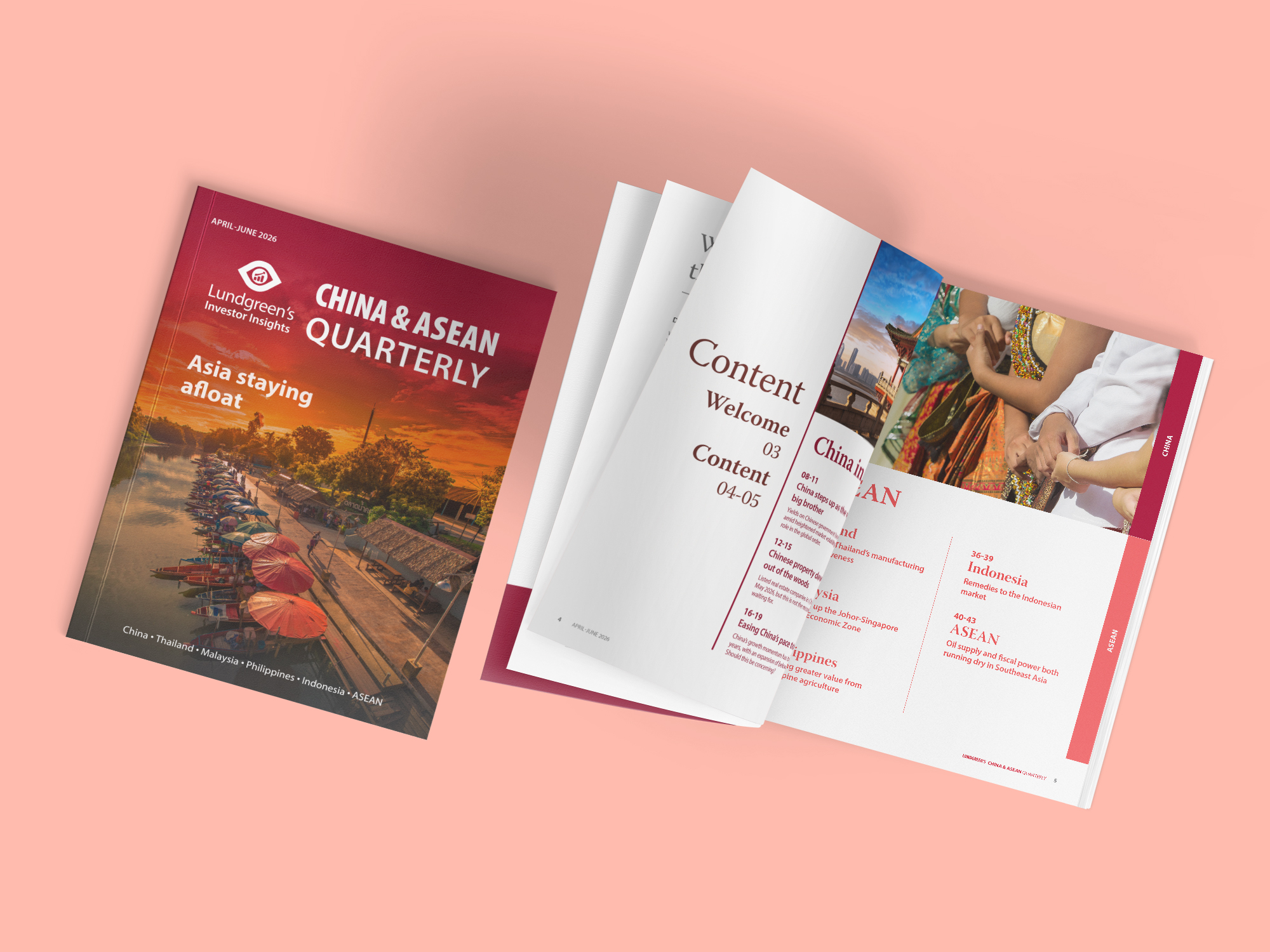
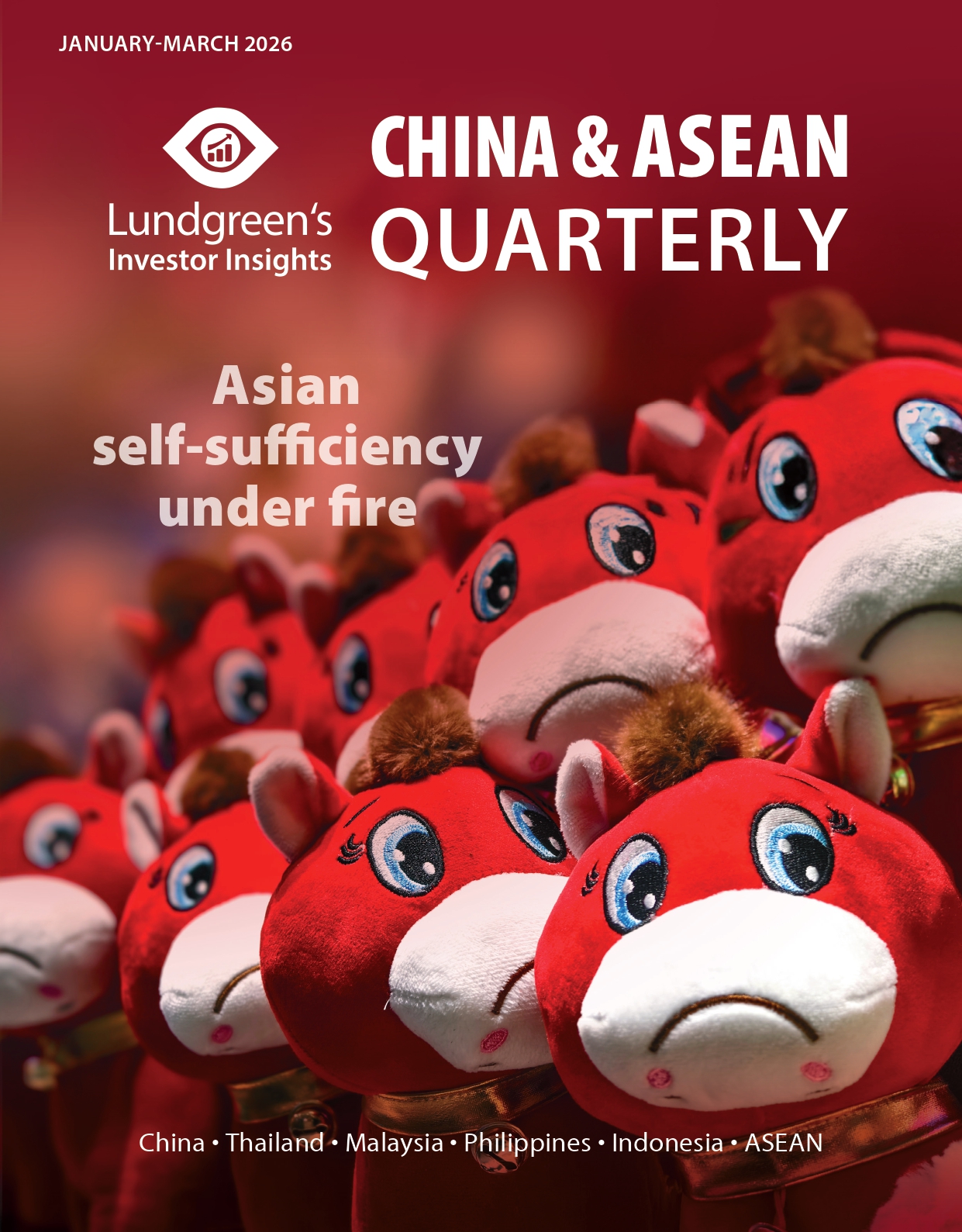



We ring in the Lunar New Year with the release of our latest China & ASEAN Quarterly magazine.

The Japanese yen has long been regarded as a safe haven currency. Will this remain true in the face of increased market uncertainty?

China’s central bank faces two seemingly conflicting tasks for 2025: keeping interest rates low to spur faster economic growth while preventing sharp swings in the exchange rate.

Will the tech-driven US stock market rally be sustained in 2025 or will it be cut short?

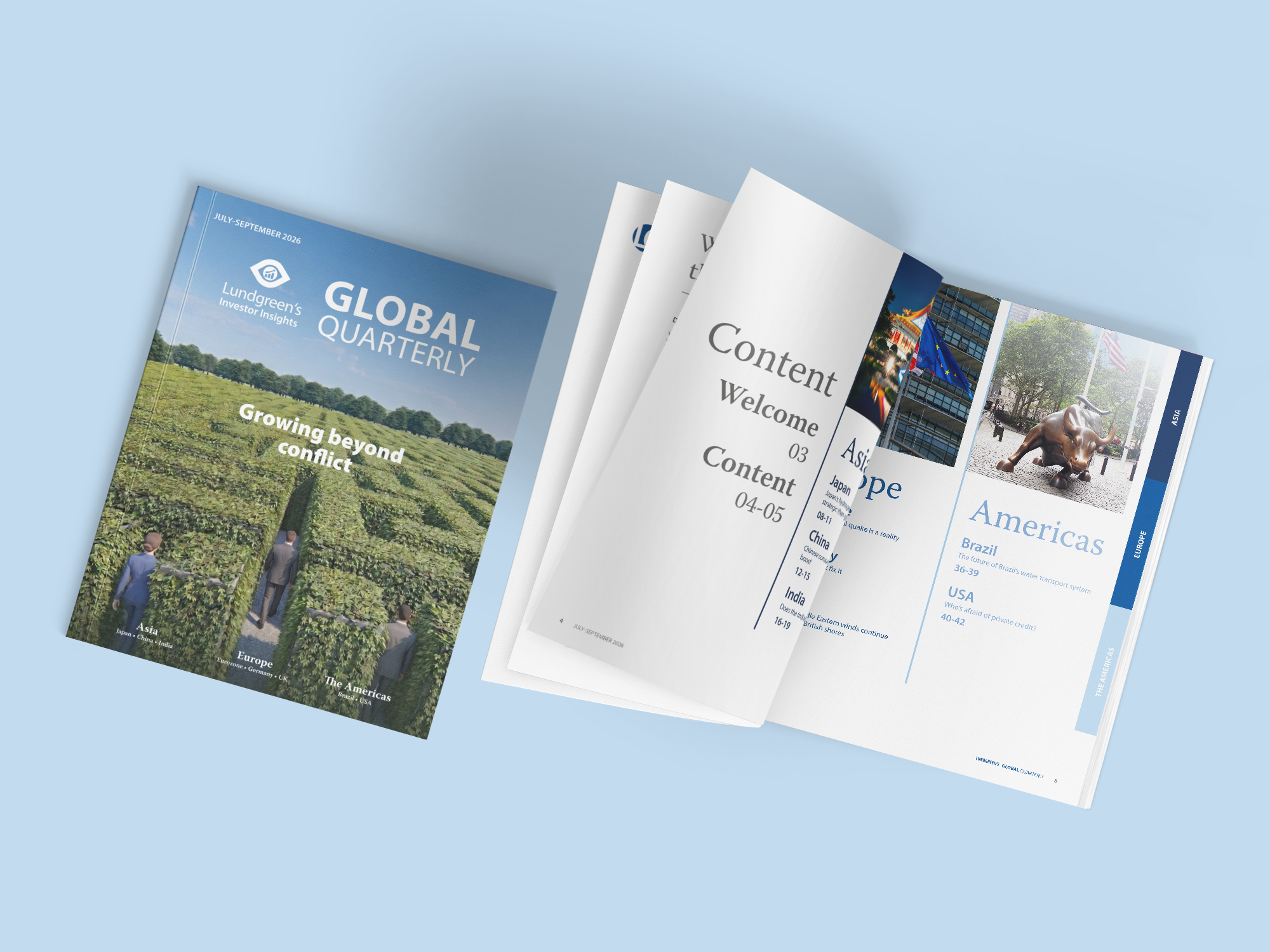
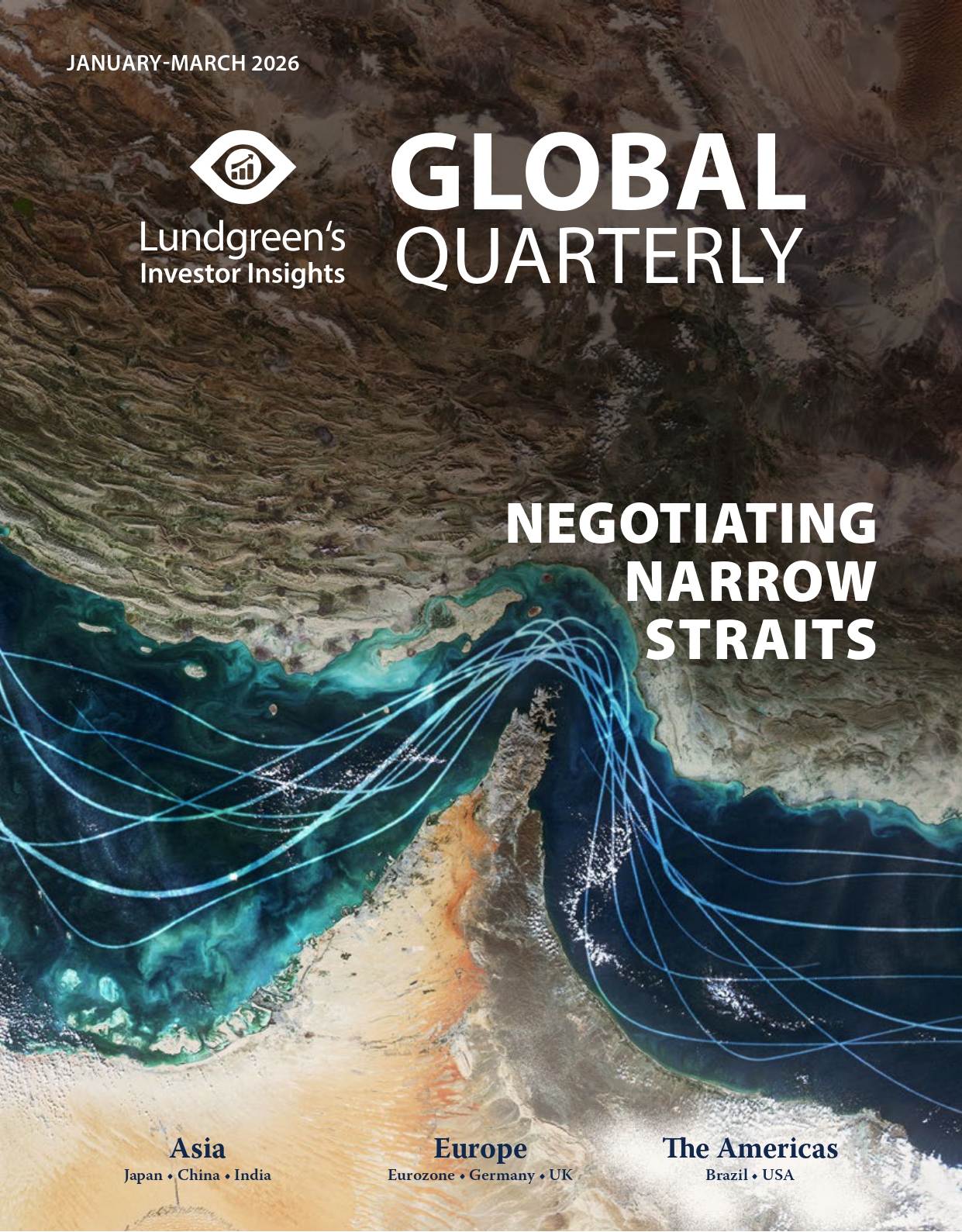
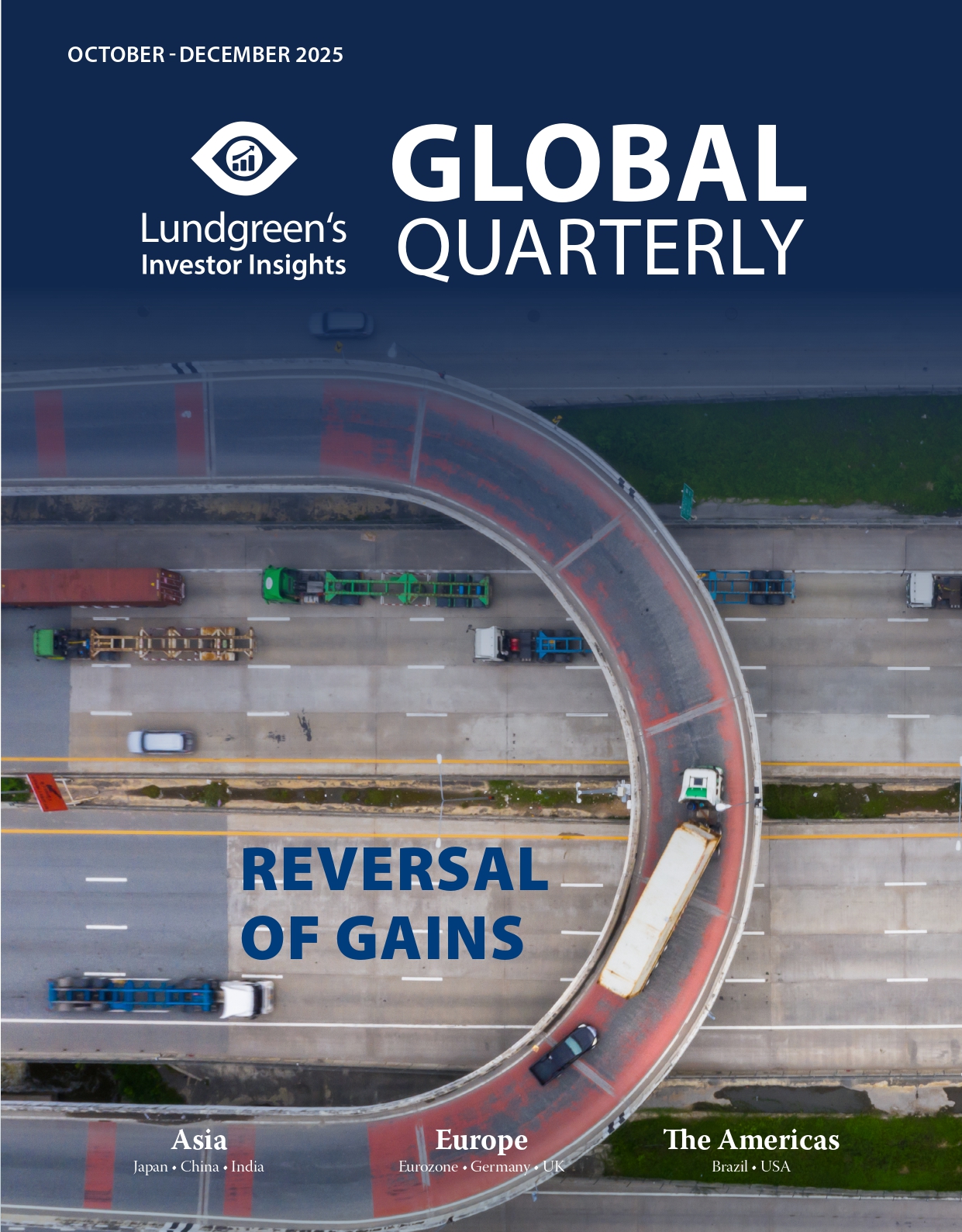
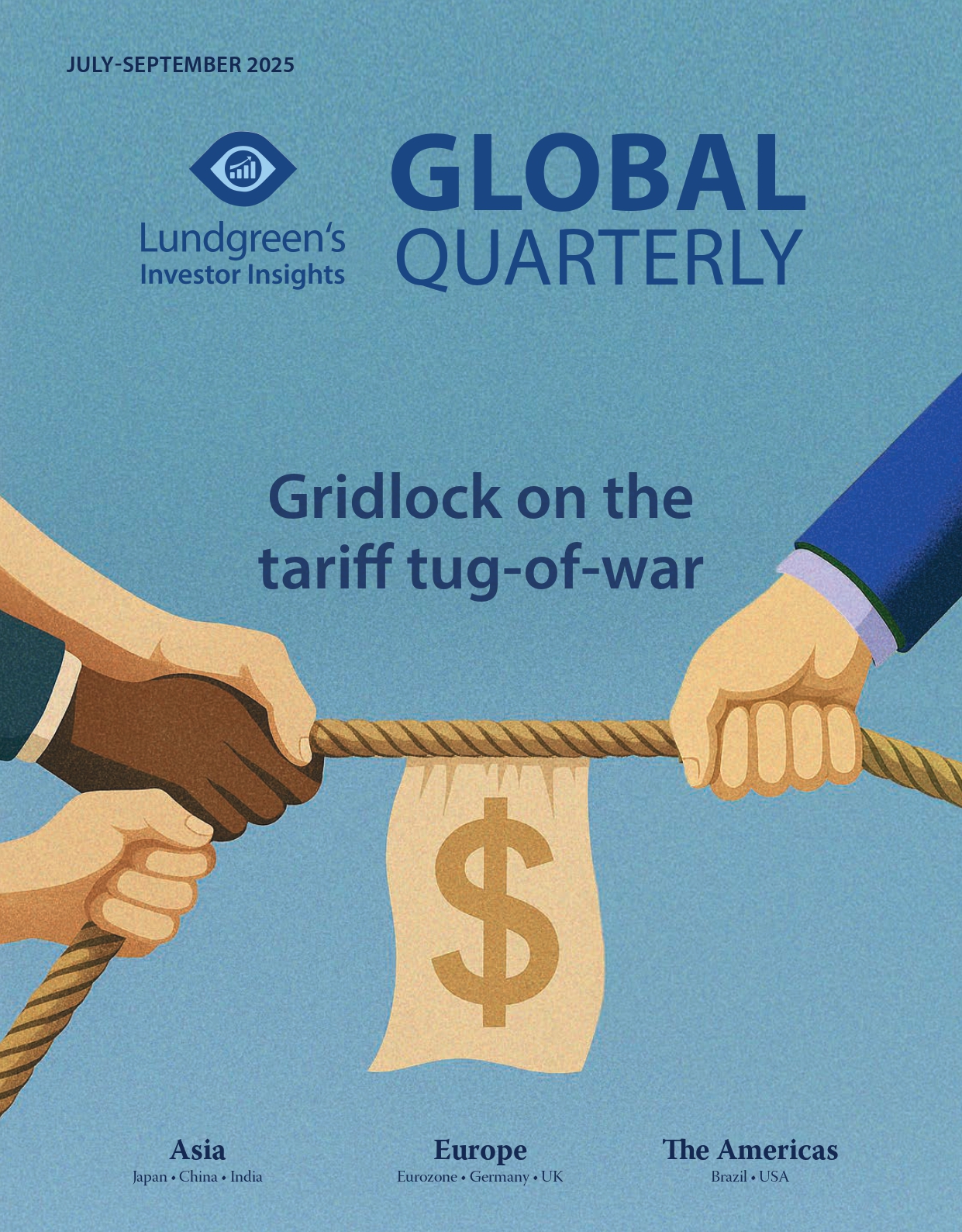
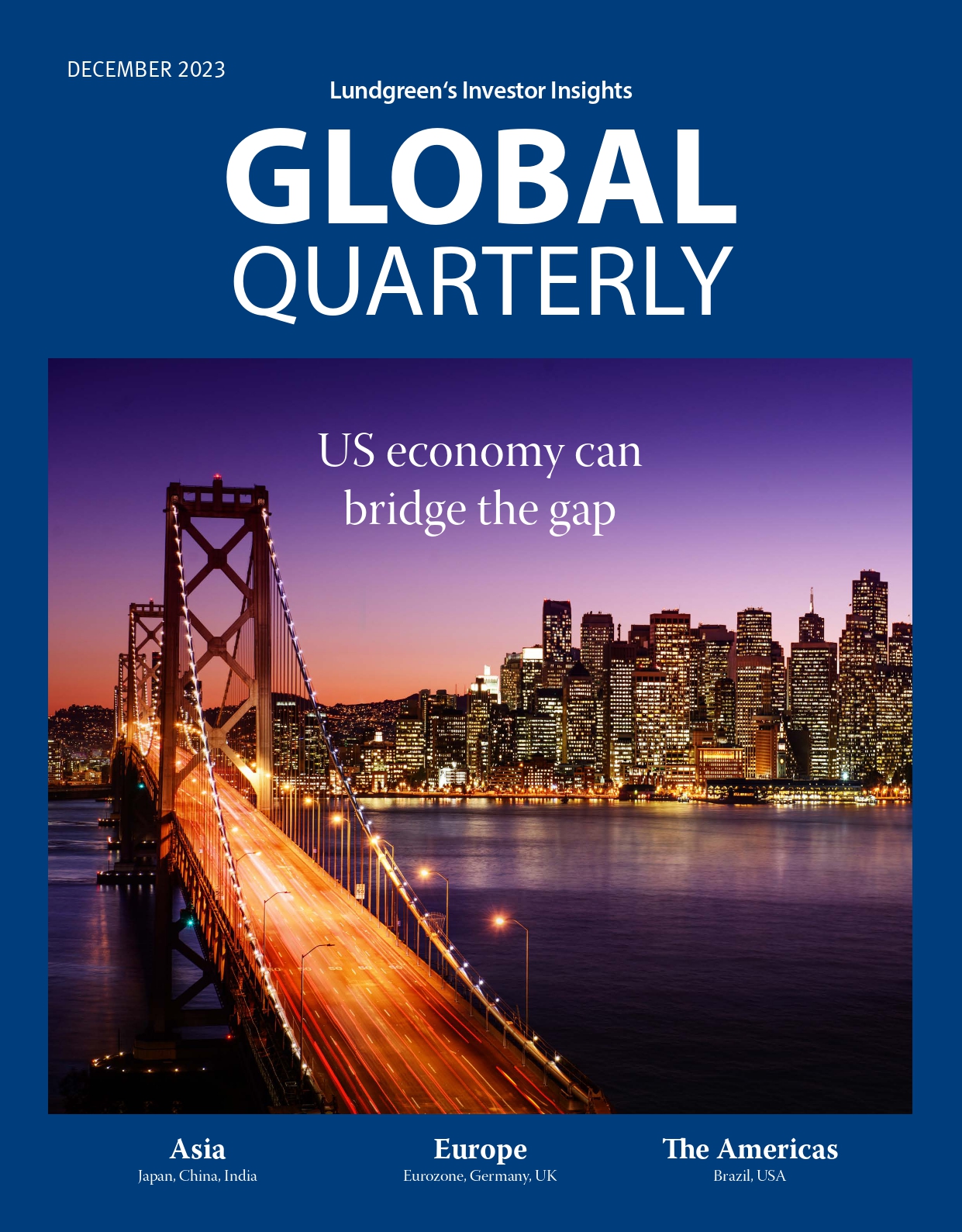
We present our latest Global Quarterly magazine from Lundgreen’s Investor Insights, where we look at emerging developments concerning the world’s biggest economies that collectively account for two-thirds of global GDP.

The Indian government is looking to perk up economic growth by handing USD 12 billion in disposable income to middle-class citizens to boost consumption.

The Draghi report concluded that the EU is completely behind in international competitiveness, but Greece is showing the way forward in boosting labour productivity.

The German economy has contracted since 2023, and the outlook has become even worse for this year. Debt-driven growth will change the situation for some time, but something is fundamentally wrong – and nobody talks about it.

The United Kingdom is at a crossroads as it seeks to contain its ballooning public debt while raising additional funds to sustain social services.

Gabriel Galípolo has stepped in as Brazil’s new central bank governor with inflationary pressures, fiscal challenges, and global uncertainties in tow. Can he balance high growth ambitions with monetary discipline?